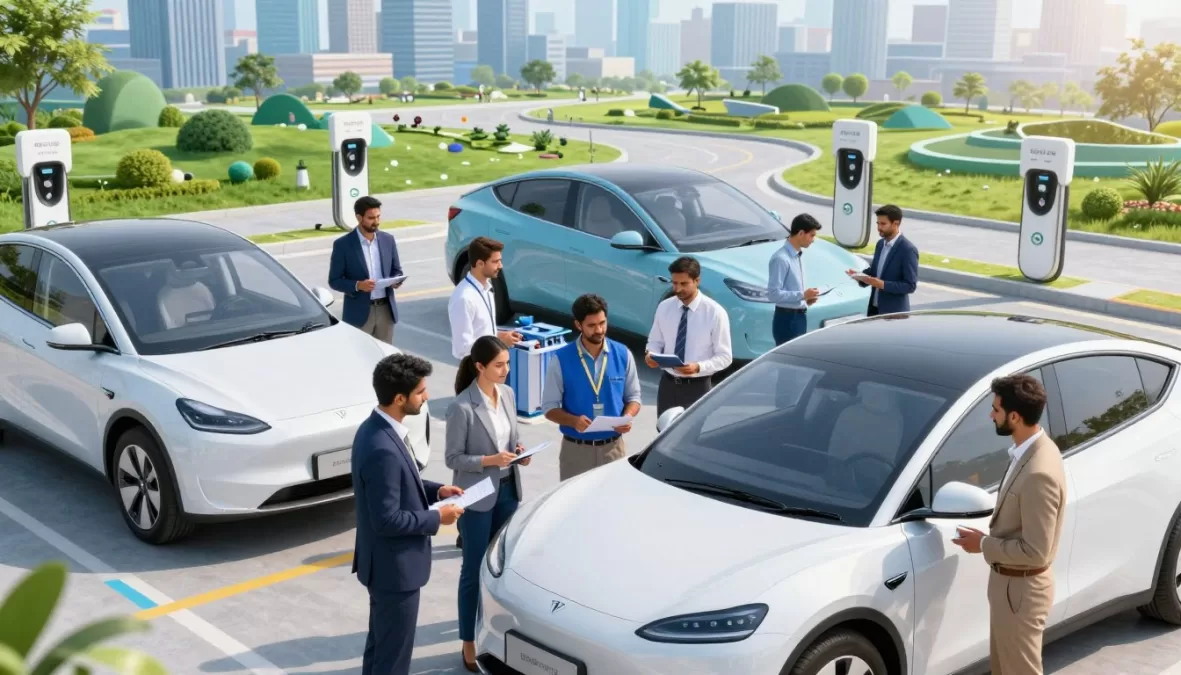
The automotive landscape across the nation is undergoing a radical transformation. As the government accelerates its commitment to clean energy, the demand for skilled professionals has reached an all-time high. This shift is creating unprecedented Electric Vehicle (EV) Jobs in India for those ready to lead the charge.
Companies are actively seeking talent to bridge the gap between traditional engineering and modern sustainable technology. Whether you are an expert in battery management or a software developer, the current market offers lucrative career paths for ambitious individuals.
Thriving in this innovative sector requires a blend of technical prowess and a forward-thinking mindset. By understanding the evolving requirements of top employers, you can secure a stable position within this rapidly expanding industry. Now is the perfect time to align your professional goals with the future of transportation.
Key Takeaways
- The Indian automotive sector is shifting rapidly toward sustainable energy solutions.
- Government initiatives are fueling a massive surge in specialized employment opportunities.
- High-paying roles are available for candidates with expertise in battery tech and software.
- Continuous skill development is essential to remain competitive in this evolving market.
- Professionals can leverage this transition to build long-term, impactful careers.
The Current Landscape of Electric Vehicle (EV) Jobs in India
As India accelerates its clean energy goals, the market for Electric Vehicle (EV) Jobs in India is expanding at an incredible pace. This transition is not merely a trend but a fundamental shift in how the nation approaches transportation and energy consumption. Professionals across various engineering and management disciplines are finding new ways to contribute to this green revolution.
Government Policy Shifts Driving Employment
The Indian government has played a pivotal role in catalyzing this industry through aggressive policy frameworks. Initiatives like the FAME-II scheme and the Production Linked Incentive (PLI) program have provided the necessary financial backing to scale local production. These policies directly influence the demand for specialized talent, as companies scramble to meet localization requirements.
By prioritizing carbon emission reductions, the state has created a stable environment for long-term growth. This regulatory support ensures that Electric Vehicle (EV) Jobs in India remain a top priority for both startups and established automotive giants. The focus on building a domestic supply chain is particularly creating a surge in technical roles.
Investment Trends from Major Manufacturers
Major manufacturers are pouring billions into research, development, and manufacturing facilities to capture the growing market share. Companies like Tata Motors, Mahindra, and Ola Electric are leading the charge by building massive gigafactories and R&D centers. These investments are opening up diverse electric vehicle career opportunities for graduates and experienced professionals alike.
The following table highlights how specific policy and investment drivers are shaping the current job market:
| Driver | Primary Impact | Job Category Growth |
|---|---|---|
| PLI Scheme | Increased Local Manufacturing | Production & Supply Chain |
| FAME-II Subsidies | Higher Consumer Adoption | Sales & After-Sales Service |
| Private R&D Funding | Technological Innovation | Software & Battery Engineering |
| Charging Infrastructure | Grid Expansion | Electrical & Field Engineering |
The influx of capital from both domestic and international players ensures that the ecosystem remains vibrant. As these manufacturers scale their operations, the need for skilled labor will only continue to rise. Securing a position in this sector now offers a unique advantage for those looking to build a future-proof career in the automotive industry.
Key Engineering Roles Shaping the EV Revolution
Building the future of transportation requires a new breed of engineers capable of mastering complex electric architectures. As the industry evolves, electric vehicle career opportunities are expanding rapidly for those with the right technical foundation. Engineering remains the backbone of this transition, demanding high-level expertise to refine core vehicle components.
Battery Management System (BMS) Engineers
The BMS is the brain of any electric vehicle, ensuring that energy storage remains safe and efficient. Professionals in this role monitor cell health, manage charging cycles, and prevent thermal runaway. Those who choose to work in electric vehicle field as BMS specialists often find themselves at the forefront of safety innovation.
Power Electronics and Motor Control Specialists
Efficiency in an EV depends heavily on how power is converted and delivered to the wheels. Power electronics engineers design the inverters and converters that translate battery energy into motion. This technical domain offers competitive compensation and the chance to solve complex challenges in drivetrain performance.
Vehicle Integration and Thermal Management Experts
An EV Design Engineer plays a pivotal role in the development process, overseeing the integration of the body frame with the electric drivetrain. These experts must also master thermal management to keep batteries and motors within optimal temperature ranges. If you decide to work in electric vehicle field, you will discover that these roles are essential for vehicle longevity. Pursuing these electric vehicle career opportunities allows engineers to shape the next generation of sustainable mobility in India.
Software and Data Science Opportunities in the EV Sector
Modern electric vehicles are essentially computers on wheels, requiring a new breed of software experts to drive innovation. As the automotive industry shifts toward electrification, the demand for developers and data scientists has skyrocketed across the country. Professionals looking for EV job vacancies India will find that software expertise is now the primary bridge between traditional engineering and advanced digital solutions.
Embedded Systems Development
Embedded systems form the backbone of vehicle control units, battery management, and motor performance. Engineers in this domain write the low-level code that ensures safety and efficiency in every drive. Those who choose to work in electric vehicle field as embedded developers can expect competitive compensation, with salaries ranging from ₹9,00,000 to ₹20,00,000 annually.
Top-tier employers are currently seeking candidates proficient in C, C++, and real-time operating systems (RTOS). Mastery of these languages allows engineers to optimize power consumption and enhance vehicle reliability. Precision is critical when developing the control systems that manage high-voltage battery packs.
Connected Vehicle and IoT Infrastructure
The rise of smart mobility relies heavily on robust IoT infrastructure. Vehicles now constantly transmit data regarding battery health, location, and driver behavior to cloud servers. This connectivity enables over-the-air (OTA) updates, which keep vehicles performing at their peak without requiring a service center visit.
Companies are actively recruiting software architects who understand cloud integration and secure data transmission protocols. If you are searching for EV job vacancies India, focusing on IoT platforms and cybersecurity will significantly boost your profile. These roles are essential for creating a seamless user experience in the modern digital ecosystem.
AI and Machine Learning for Autonomous Driving
Artificial Intelligence is the final frontier in the evolution of electric transportation. Machine learning models are being trained to process sensor data, identify obstacles, and navigate complex traffic conditions autonomously. This field offers a unique opportunity to work in electric vehicle field while pushing the boundaries of what is technologically possible.
Data scientists who specialize in computer vision and sensor fusion are in high demand. By leveraging large datasets, these professionals help vehicles make split-second decisions that improve road safety. Innovation in this space is moving at a rapid pace, making it an ideal career path for those passionate about the future of mobility.
Manufacturing and Supply Chain Career Prospects
The shift toward electric mobility is fundamentally changing how India builds its vehicles. This transition requires a complete overhaul of traditional assembly lines and logistics networks to accommodate new technologies. As a result, careers in EV industry are expanding into complex industrial domains that demand high levels of technical expertise.
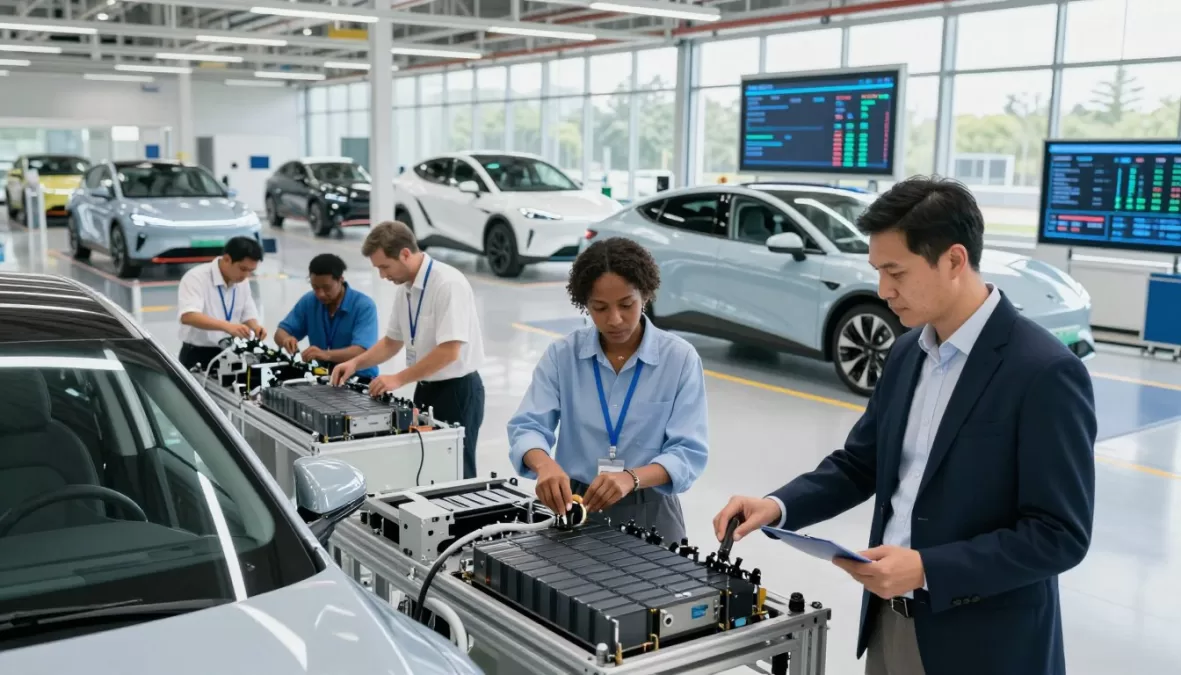
Cell Manufacturing and Chemical Engineering
At the heart of the electric revolution lies the battery pack. Chemical engineers and material scientists are now in high demand to oversee the intricate process of cell manufacturing. These professionals ensure that battery chemistry remains stable, efficient, and capable of meeting the rigorous energy density requirements of modern vehicles.
Working in this field involves optimizing electrolyte compositions and electrode materials. It is a highly specialized role that bridges the gap between laboratory research and large-scale industrial production. Companies are actively seeking talent to lead these advanced manufacturing facilities across the country.
Quality Assurance and Safety Compliance
Maintaining high standards is non-negotiable when dealing with high-voltage systems. Quality assurance teams play a critical role in verifying that every component meets strict safety protocols before it leaves the factory floor. This focus on safety is a primary driver for current EV job vacancies India.
Manufacturing and Production Managers are essential to this process, as they oversee the entire production cycle. These leaders ensure that efficiency and precision remain the top priorities. In India, these professionals can expect annual salaries ranging from ₹8,00,000 to ₹18,00,000 depending on their experience and the scale of operations.
Supply Chain Logistics for Rare Earth Materials
The procurement of raw materials presents a unique challenge for the automotive sector. Sourcing rare earth elements like lithium, cobalt, and nickel requires a sophisticated and resilient supply chain. Logistics experts are now tasked with building global partnerships to secure these vital resources.
Effective supply chain management ensures that production lines never stall due to material shortages. Professionals who can navigate international trade regulations and sustainable sourcing practices are finding numerous EV job vacancies India. By mastering these logistics, they become indispensable assets to the growing careers in EV industry.
Charging Infrastructure and Grid Integration Jobs
The rapid transition toward sustainable transport in India relies heavily on the development of a robust charging network. As more consumers switch to electric mobility, the demand for professionals who can design, install, and maintain these systems is growing. These careers in EV industry are essential for ensuring that the national power grid can handle the increased load from thousands of charging stations.
Grid Stability and Smart Charging Engineers
Engineers specializing in grid stability play a vital role in balancing the energy demand of charging stations with the existing power infrastructure. They focus on smart charging solutions that prevent grid overload during peak hours. By implementing advanced software, these professionals ensure that energy distribution remains efficient and reliable across urban and rural regions.
This niche field offers significant employment in electric vehicle industry for those with backgrounds in electrical engineering and power systems. These experts work closely with utility companies to integrate renewable energy sources into the charging ecosystem. Their work is fundamental to preventing power outages and maintaining the long-term health of the electrical grid.
Field Service Technicians for Charging Networks
While engineers design the systems, field service technicians are the boots-on-the-ground workforce that keeps the network operational. These professionals are responsible for the physical installation of charging hardware and the routine maintenance required to ensure high uptime. Their expertise is critical for providing a seamless experience for EV owners across the country.
Technicians must possess a strong understanding of both hardware components and basic diagnostic software. As the network of charging stations expands, the need for skilled technicians will continue to rise, creating stable careers in EV industry. Companies are actively seeking individuals who can troubleshoot connectivity issues and perform rapid repairs to minimize downtime. This hands-on role is a cornerstone of the broader employment in electric vehicle industry, ensuring that the infrastructure remains reliable for every driver.
Sales, Marketing, and After-Sales Service Roles
The transition to electric mobility in India has created a massive demand for professionals who can bridge the gap between complex technology and consumer needs. As electric vehicles become mainstream, the need for skilled personnel in customer-facing roles has never been more critical. This shift is opening new doors for employment in the electric vehicle industry, particularly for those who can translate technical specifications into tangible benefits for Indian drivers.

EV Dealership Management and Customer Experience
EV Sales Engineers play a pivotal role in this ecosystem by guiding potential buyers through the nuances of battery range, charging times, and total cost of ownership. These professionals must possess a unique blend of technical literacy and persuasive communication skills. By simplifying complex data, they help build the necessary trust for consumers to make the switch from internal combustion engines.
Those interested in finding EV jobs in India will find that modern dealerships are looking for more than just traditional sales experience. They require individuals who can provide a consultative approach, ensuring that every customer understands the long-term savings and environmental impact of their purchase. This focus on education is a key differentiator in the competitive Indian automotive market.
Technical Training and Maintenance Support
After-sales service is the backbone of brand loyalty in the automotive sector. As the fleet of electric vehicles grows, service centers require technicians who are specifically trained in high-voltage systems and software diagnostics. Providing technical training ensures that maintenance is handled safely and efficiently, which is vital for long-term vehicle performance.
Companies are actively recruiting for roles that involve both hands-on repair and customer support. By finding EV jobs in India within these specialized service networks, technicians can secure stable career paths in a high-growth field. The following table highlights the key differences between traditional automotive roles and the new requirements for the electric era.
| Role Category | Traditional Automotive | Electric Vehicle Sector |
|---|---|---|
| Sales Focus | Engine performance & style | Battery range & charging tech |
| Maintenance | Mechanical & fluid-based | Software & high-voltage systems |
| Customer Education | Basic feature overview | Charging infrastructure guidance |
| Skill Requirement | General mechanics | Specialized electrical certification |
Ultimately, the success of the employment in the electric vehicle industry depends on the quality of the human connection at the point of sale and service. Professionals who master these roles will be at the forefront of India’s sustainable transportation future.
Educational Requirements and Skill Development
To capitalize on the surge of job openings in the EV sector, candidates must align their academic background with current industry standards. The rapid shift toward sustainable mobility has created a high demand for specialized knowledge that goes beyond traditional mechanical engineering. Professionals who proactively update their technical expertise are better positioned to secure high-growth roles in this competitive landscape.
Specialized Certifications for EV Professionals
Earning industry-recognized credentials is a proven way to demonstrate your commitment to the field. For instance, enrolling in electric vehicle courses at CADD Centre can significantly enhance your technical abilities. These programs provide hands-on experience with design software and simulation tools essential for modern vehicle development.
Beyond basic training, certifications in battery management systems and power electronics are highly valued by recruiters. These credentials serve as a signal of your readiness to handle complex engineering challenges. By focusing on these niche areas, you increase your chances when finding EV jobs in India.
Academic Partnerships with Industry Leaders
Leading automotive companies are increasingly collaborating with universities to bridge the talent gap. These partnerships often result in specialized curriculum development and internship opportunities for students. By participating in these programs, you gain direct exposure to real-world projects and industry mentors.
This academic-industry synergy ensures that the workforce is equipped with the latest technological insights. Students who engage with these initiatives often find a smoother transition into the professional world. It is a strategic move for anyone serious about building a long-term career in the electric mobility space.
Upskilling Programs for Traditional Automotive Workers
The transition from internal combustion engines to electric powertrains requires a significant shift in skill sets. Many professionals currently working in traditional automotive roles can leverage their existing experience by undergoing targeted upskilling. These programs focus on bridging the gap between mechanical systems and digital control architectures.
Whether you are an experienced engineer or a technician, continuous learning is the key to finding EV jobs in India. Many organizations now offer internal training modules to help their staff adapt to new manufacturing processes. Taking advantage of these opportunities will keep your profile relevant amidst the growing job openings in the EV sector.
| Program Type | Target Audience | Key Benefit |
|---|---|---|
| Technical Certifications | Engineers & Technicians | Hands-on software proficiency |
| Academic Partnerships | Students & Freshers | Industry-aligned curriculum |
| Corporate Upskilling | Experienced Professionals | Seamless career transition |
Regional Hubs for EV Employment in India
The shift toward sustainable transportation has created distinct geographic hubs that dominate the national EV landscape. These regions act as magnets for top-tier talent, offering a high density of job openings in EV sector. Understanding these clusters is vital for professionals looking to align their career paths with the most active parts of the industry.
The Rise of EV Clusters in Pune and Bengaluru
Pune and Bengaluru have established themselves as the primary epicenters for electric vehicle innovation. Pune, long considered the automotive capital of India, has successfully transitioned its traditional manufacturing base to support modern electric powertrains. Meanwhile, Bengaluru serves as the technological heart of the industry, focusing heavily on software, battery management, and smart mobility solutions.
These cities attract significant investment from industry leaders who require specialized engineering talent. Professionals in these hubs often find diverse job openings in EV sector, ranging from research and development to complex software integration. The presence of major players ensures a steady demand for skilled workers who can drive the next wave of innovation.
Emerging Manufacturing Zones in Tamil Nadu and Gujarat
Beyond the traditional tech and auto hubs, Tamil Nadu and Gujarat are rapidly becoming critical manufacturing zones. These states offer robust infrastructure and favorable government policies that encourage large-scale production facilities. Consequently, many companies are expanding their footprint here to meet the growing demand for electric two-wheelers and commercial vehicles.
The scale of operations in these zones creates a high volume of job openings in EV sector, particularly in production, supply chain management, and quality assurance. As these regions continue to scale, they provide long-term stability for those seeking careers in high-volume manufacturing. Leading companies actively hiring across these regions include:
- Tata Motors: Expanding production capacity for passenger EVs.
- Mahindra Electric: Scaling up R&D and manufacturing capabilities.
- Ather Energy: Driving innovation in high-performance electric scooters.
- Ola Electric: Managing massive manufacturing operations in southern India.
By focusing on these strategic locations, job seekers can better target their search and maximize their chances of securing a role. Whether you prefer the software-driven environment of Bengaluru or the industrial scale of Tamil Nadu, the current market offers numerous job openings in EV sector for dedicated professionals.
Challenges and Future Outlook for the Indian EV Workforce
While the transition to electric mobility is accelerating, the industry must overcome critical labor shortages to sustain its momentum. The rapid growth of the sector has outpaced the availability of skilled professionals, creating a bottleneck for manufacturers. Improving EV job prospects in India requires a proactive approach to workforce development and long-term strategic planning.
Addressing the Talent Gap in Specialized Domains
The industry currently faces a significant talent gap in highly technical fields such as battery chemistry and power electronics. Many companies are now investing heavily in internal training programs to bridge this divide. By partnering with academic institutions, firms are creating specialized curricula that align with real-world industry needs.
Strategic hiring remains a priority for major players looking to secure top-tier talent. Continuous professional development is no longer optional; it is a core requirement for engineers working on next-generation vehicle platforms. These efforts are essential to ensure that EV job prospects in India remain competitive on a global scale.
“The shift to electric vehicles is not just a change in technology, but a fundamental transformation of the workforce. We must prioritize lifelong learning to keep pace with innovation.”
The Impact of Automation on Future Hiring
Automation is reshaping the manufacturing landscape, leading to a shift in the types of roles available. While repetitive assembly tasks are increasingly handled by robotics, the demand for high-level system architects and software engineers is surging. This evolution means that the workforce must adapt to a more digital-centric environment.
The following table highlights the shift in skill requirements for the modern automotive worker:
| Skill Category | Traditional Automotive | Modern EV Sector |
|---|---|---|
| Core Competency | Mechanical Engineering | Software & Electronics |
| Manufacturing | Manual Assembly | Automated Robotics |
| Maintenance | Internal Combustion | Battery Management |
| Data Usage | Limited | Advanced Analytics |
As automation becomes standard, the focus will shift toward managing complex systems rather than manual labor. This transition creates new EV job prospects in India for those who embrace technical upskilling. Building a resilient labor market requires a balanced view of these technological shifts and a commitment to preparing the next generation of workers.
Conclusion
The transition toward sustainable transportation creates a wealth of high-paying career opportunities for professionals willing to invest in specialized skills. India stands at the forefront of this global shift, offering a robust environment for those ready to lead the charge.
Strong EV job prospects in India depend on your ability to adapt to rapid technological changes. Companies like Tata Motors and Ola Electric require talent that understands both mechanical engineering and advanced software integration. Staying current with industry trends ensures your long-term relevance in this competitive market.
You should prioritize continuous learning to capitalize on the growing demand for expertise in battery chemistry and grid management. Engaging with academic partnerships and industry-led certification programs provides a clear advantage for job seekers. These proactive steps turn potential challenges into career milestones.
The path to a successful career in this sector remains open for dedicated individuals. Explore the diverse roles available across manufacturing hubs and software development centers to find your niche. Your commitment to mastering these new technologies will define your success as the nation accelerates its transition to electric mobility.