
The artificial intelligence revolution is reshaping every industry. For freshers entering the job market in 2026, understanding AI skills can mean the difference between landing your dream role and struggling to compete.
Today, companies across sectors actively seek candidates who blend technical knowledge with practical AI capabilities. The demand for AI-skilled professionals has grown exponentially, with entry-level positions requiring at least basic machine learning familiarity.
This comprehensive guide reveals which AI skills employers value most. You will discover actionable learning paths, industry applications, and proven strategies that successful freshers use to stand out.
Discover Your AI Readiness
Not sure which AI skills match your career goals? Take our free assessment to get a personalized learning roadmap designed specifically for freshers in 2026.
Why AI Skills Matter for Freshers in 2026
The workplace transformation driven by artificial intelligence creates unprecedented opportunities for new graduates. Organizations no longer view AI as a specialized domain reserved for senior data scientists.
Entry-level roles across marketing, finance, healthcare, and manufacturing now expect basic AI literacy. Freshers who demonstrate these capabilities command higher starting salaries and faster career advancement.
Market Reality
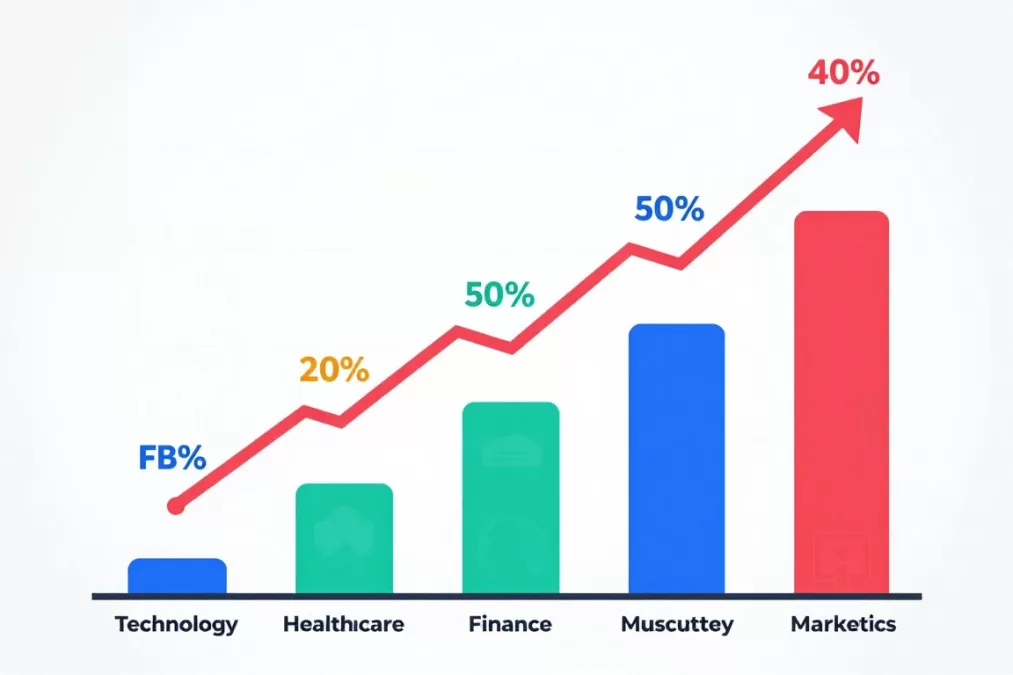
Research indicates that 78% of Indian companies plan to expand their AI teams in 2026. This growth creates thousands of entry-level positions specifically targeting fresh talent.
Traditional job roles evolve to incorporate AI tools. Marketing analysts use machine learning for customer insights. Financial analysts apply algorithms for risk assessment. Even creative professionals leverage AI for content generation and design work.
Competitive Advantage
Candidates with AI skills on their resumes receive 3.5 times more interview callbacks compared to those without. Employers recognize that teaching domain knowledge is easier than building technical foundations.
Your AI proficiency signals adaptability, technical aptitude, and future-readiness. These qualities matter tremendously to hiring managers building teams for tomorrow’s challenges.
Most In-Demand AI Skills That Can Help Freshers Get Jobs
Understanding which skills employers prioritize helps you invest your learning time wisely. The following capabilities consistently appear in job descriptions across industries and company sizes.
Machine Learning Fundamentals
Machine learning forms the foundation of modern artificial intelligence applications. This skill involves understanding how systems learn from data patterns without explicit programming.
Employers value freshers who grasp core machine learning concepts like supervised learning, unsupervised learning, and model evaluation. You don’t need a PhD to start. Basic knowledge of algorithms and their applications suffices for entry positions.
What You Should Know
- Classification and regression techniques
- Common algorithms like decision trees and random forests
- Model training and validation processes
- Performance metrics and evaluation methods
- Overfitting and underfitting concepts
Practical Applications
- Customer churn prediction in business
- Fraud detection in financial systems
- Product recommendation engines
- Image recognition in healthcare
- Predictive maintenance in manufacturing
Start Learning Machine Learning
Access our curated collection of free machine learning courses designed specifically for freshers. Includes hands-on projects, real-world datasets, and certification opportunities.
Python Programming for AI
Python dominates the AI and machine learning landscape. Its simplicity, extensive libraries, and strong community support make it the preferred language for AI development.
Freshers with solid Python skills can quickly transition into AI roles. The language enables you to implement algorithms, manipulate data, and build models efficiently.
- Core Python syntax and data structures for algorithm implementation
- NumPy for numerical computing and array operations
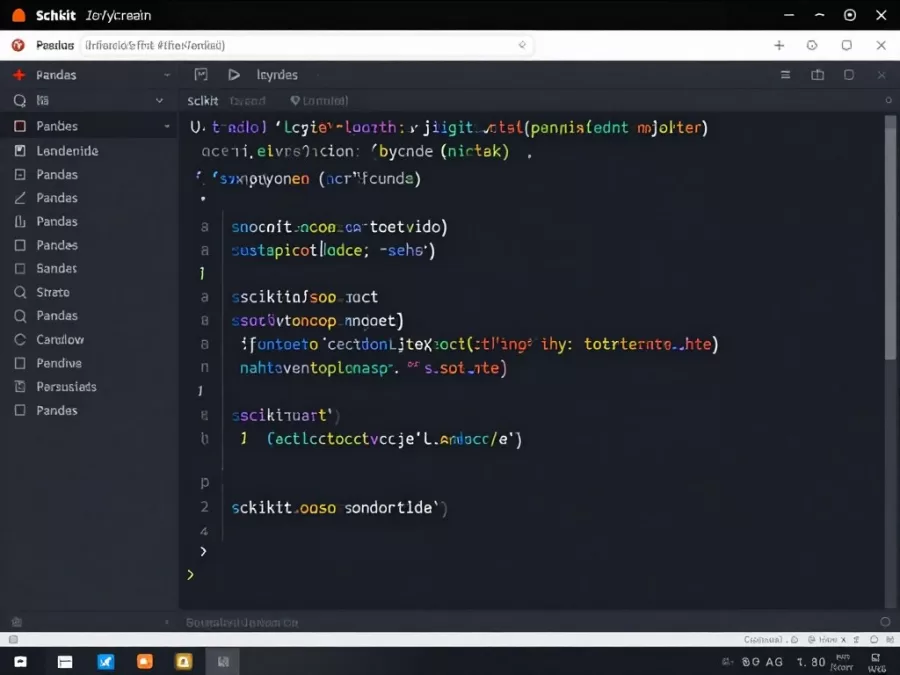
- Pandas for data manipulation and analysis tasks
- Scikit-learn for machine learning model development
- TensorFlow and PyTorch for deep learning applications
- Matplotlib and Seaborn for data visualization
Companies expect freshers to write clean, efficient Python code. Focus on understanding object-oriented programming principles and writing reusable functions.
Data Analysis and Visualization
Artificial intelligence systems require quality data to function effectively. Data analysis skills help you understand datasets, identify patterns, and extract meaningful insights.
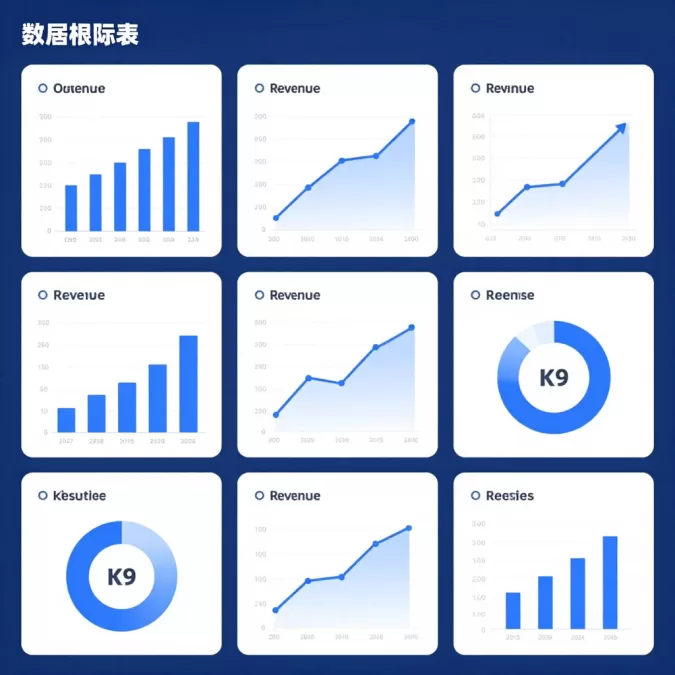
Visualization capabilities complement analysis by communicating findings clearly. Charts, graphs, and dashboards transform complex data into actionable business intelligence.
Data Analysis
Master statistical methods, data cleaning techniques, and exploratory analysis. Learn to work with structured and unstructured data sources effectively.
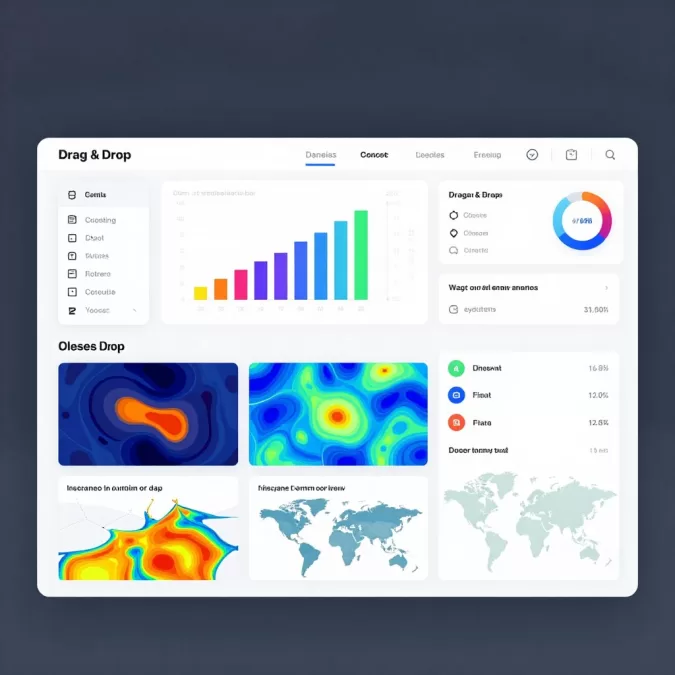
Visualization Tools
Develop expertise in tools like Tableau, Power BI, and Python libraries. Create compelling visual stories that drive business decisions.
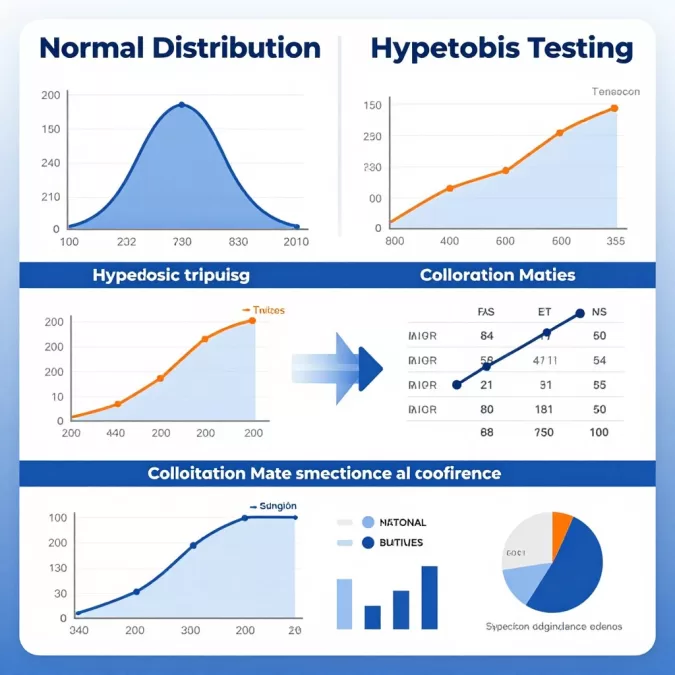
Statistics Basics
Understand probability, distributions, hypothesis testing, and correlation. Statistical knowledge ensures accurate model interpretation and validation.
Natural Language Processing Basics
Natural language processing enables machines to understand, interpret, and generate human language. This skill has become essential as chatbots, voice assistants, and text analysis tools proliferate.
Freshers with NLP knowledge qualify for roles in customer service automation, content analysis, and conversational AI development. The applications span every industry that handles text data.
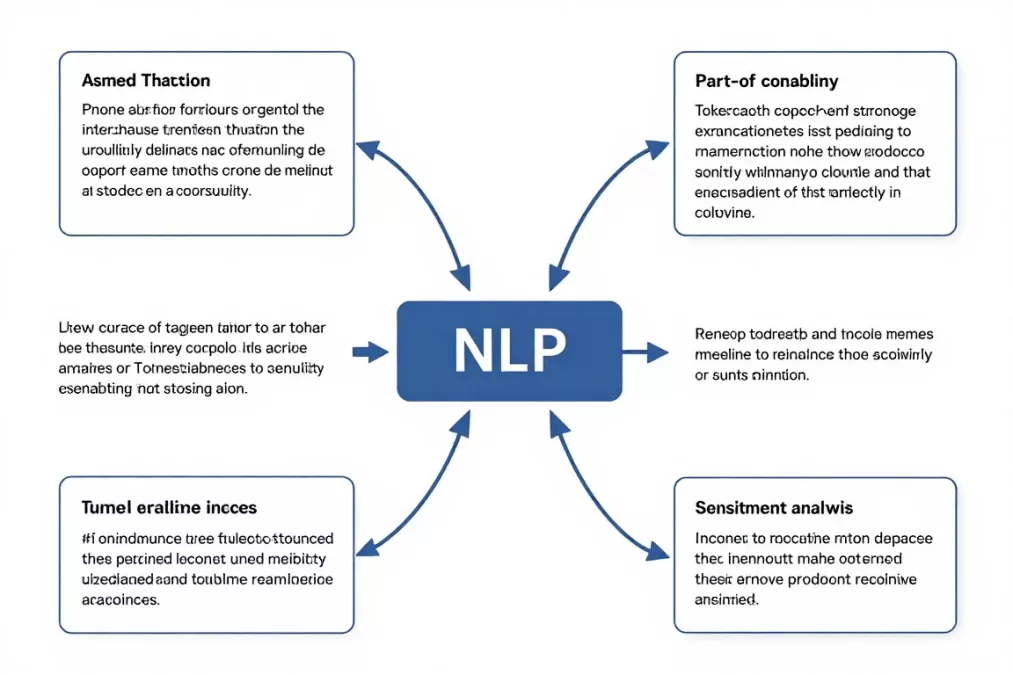
Key NLP concepts include tokenization, sentiment analysis, named entity recognition, and text classification. You should understand how language models work and their practical applications.
- Text preprocessing and cleaning techniques for analysis
- Sentiment analysis for customer feedback evaluation
- Chatbot development using modern frameworks
- Document classification for content organization
- Language translation systems and applications
- Speech recognition and voice interface design
Deep Learning and Neural Networks
Deep learning represents the cutting edge of artificial intelligence. Neural networks power breakthrough applications in image recognition, autonomous vehicles, and advanced language models.
While complex, freshers can grasp foundational deep learning concepts. Entry-level positions often require understanding architecture basics rather than building systems from scratch.
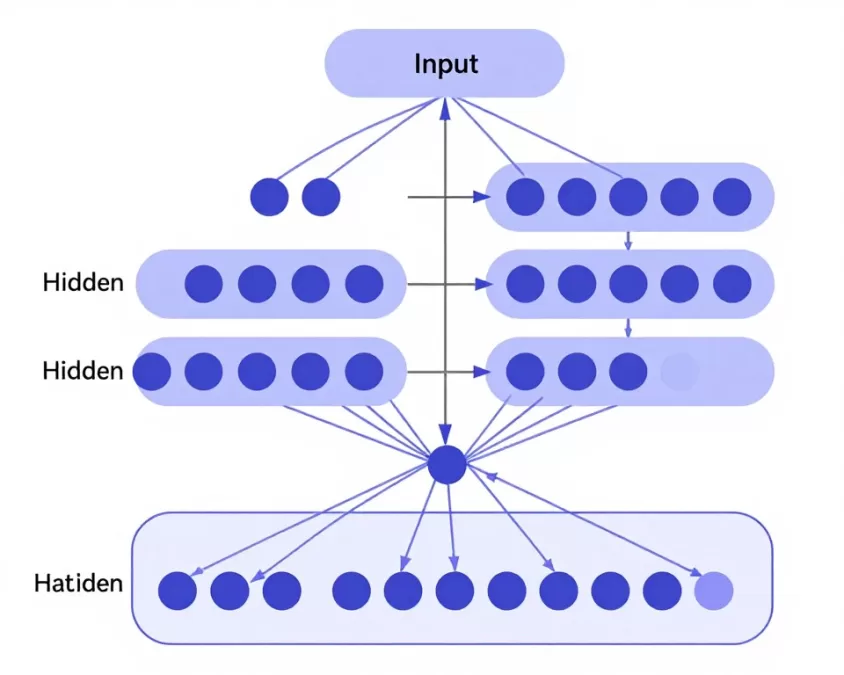
Core Concepts
Focus on understanding convolutional neural networks for image tasks, recurrent neural networks for sequential data, and transformer architectures for language processing.
Familiarity with popular frameworks like TensorFlow and PyTorch demonstrates your readiness for deep learning roles. Many companies provide additional training once you join.
Learning Path
Start with simple neural networks before advancing to complex architectures. Hands-on practice with pre-built models helps solidify theoretical knowledge.
Deep Learning Starter Kit
Get access to beginner-friendly deep learning tutorials, pre-trained models, and project templates. Our resources help freshers build practical experience quickly.
Prompt Engineering Skills
Prompt engineering has emerged as a crucial skill in the era of large language models. This capability involves crafting effective instructions that guide AI systems to produce desired outputs.
Companies increasingly need professionals who can optimize AI interactions for business applications. Freshers with prompt engineering expertise bridge the gap between technical systems and business users.
- Understanding model capabilities and limitations for effective use
- Crafting clear, specific instructions for desired outcomes
- Iterative refinement techniques for better results
- Context management in conversational AI applications
- Prompt templates for common business tasks
- Evaluation methods for AI-generated content quality
Prompt engineering requires creativity, analytical thinking, and understanding of language nuances. Practice with different AI tools to develop this valuable skill.
Cloud Computing for AI
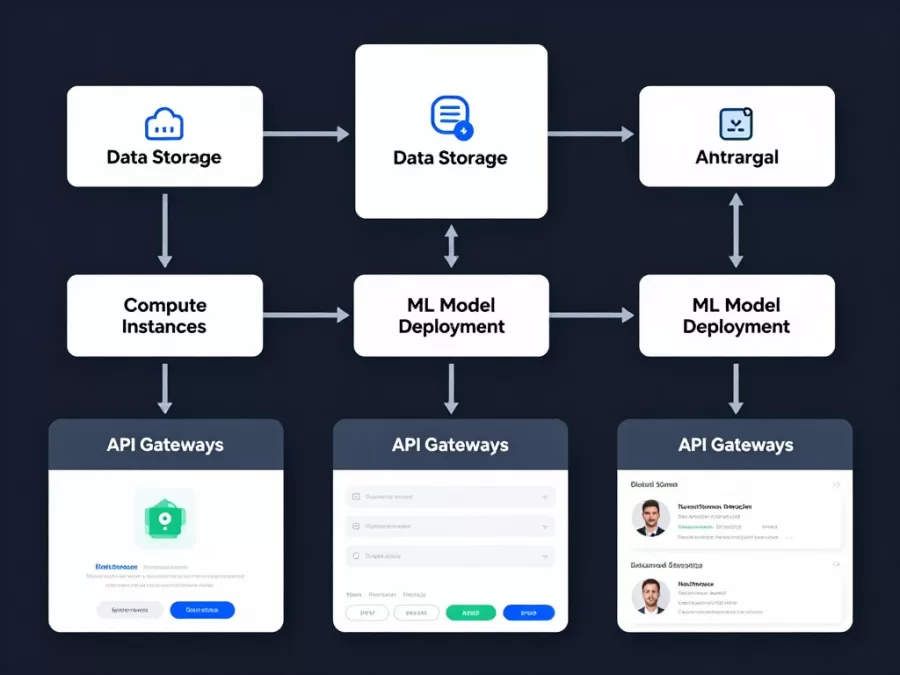
Modern AI applications run on cloud platforms. Understanding cloud services enables you to deploy models, manage data, and scale systems efficiently.
Freshers familiar with cloud environments like AWS, Google Cloud, or Azure possess significant advantages. Most companies host their AI infrastructure in cloud environments today.
AWS Services
- SageMaker for model training
- EC2 for computing resources
- S3 for data storage
- Lambda for serverless functions
Google Cloud
- Vertex AI for ML workflows
- BigQuery for data analytics
- Cloud Storage for datasets
- Cloud Functions for automation
Azure Platform
- Azure ML for development
- Cognitive Services for AI APIs
- Blob Storage for files
- Functions for event processing
AI Ethics and Responsible AI
Understanding ethical implications of artificial intelligence systems has become non-negotiable. Companies face increasing scrutiny regarding bias, privacy, and transparency in their AI applications.
Freshers who demonstrate awareness of AI ethics stand out to employers. This knowledge shows maturity and understanding of broader societal impacts beyond technical implementation.
- Bias detection and mitigation in machine learning models
- Data privacy regulations and compliance requirements
- Transparency and explainability in AI decisions
- Fairness considerations across demographic groups
- Environmental impact of large-scale AI systems
- Accountability frameworks for AI applications
Stay informed about emerging regulations and best practices. Many organizations now have dedicated ethics teams that review AI projects before deployment.
Computer Vision Fundamentals
Computer vision enables machines to interpret visual information from images and videos. Applications range from facial recognition to medical image analysis and autonomous navigation.
This skill opens opportunities in diverse sectors including healthcare, retail, manufacturing, and security. Freshers with computer vision knowledge are particularly valued in companies developing visual AI products.

Key Techniques
- Image classification for categorization tasks
- Object detection and localization methods
- Semantic segmentation for pixel-level analysis
- Face recognition and verification systems
- Optical character recognition for text extraction
Industry Use Cases
- Quality control in manufacturing environments
- Medical diagnosis from scan images
- Retail analytics and customer tracking
- Agricultural crop monitoring systems
- Security and surveillance applications
Reinforcement Learning Concepts
Reinforcement learning teaches systems to make decisions through trial and error. This approach powers game-playing AI, robotics, and optimization problems.
While more advanced than supervised learning, understanding basic reinforcement learning principles enhances your AI knowledge portfolio. Companies working on autonomous systems particularly value this skill.
Focus on core concepts like rewards, policies, and value functions. Practical experience with simulation environments helps solidify understanding without requiring expensive hardware.
How Freshers Can Acquire AI Skills Effectively
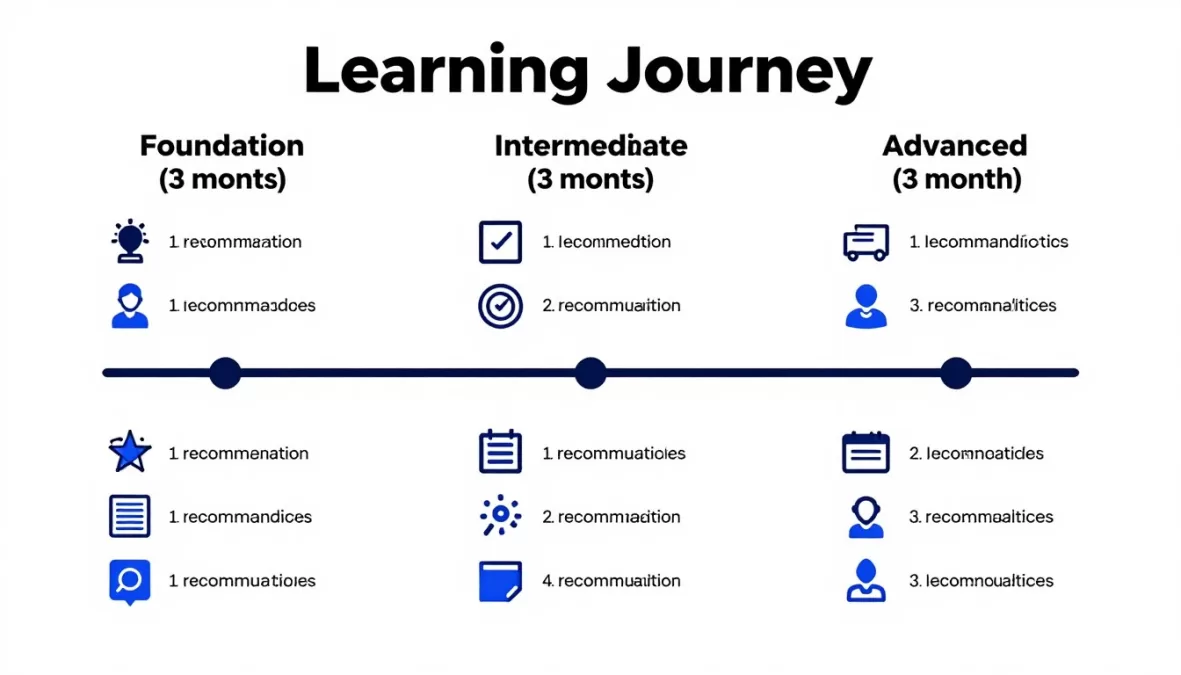
Building AI capabilities requires structured learning combined with hands-on practice. The following roadmap guides you from basics to job-ready proficiency.
Complete AI Learning Path for 2026 Freshers
Get our comprehensive learning roadmap with curated courses, project ideas, and career guidance. Start with fundamentals and progress to advanced skills systematically.
Foundation Phase: Building Basics
Begin with programming fundamentals and mathematics. Strong foundations in Python, statistics, and linear algebra enable faster progress in advanced topics.
- Master Python programming through online courses and daily practice exercises
- Learn statistics covering probability, distributions, and hypothesis testing concepts
- Study linear algebra focusing on vectors, matrices, and transformations
- Complete introductory machine learning courses with hands-on projects
- Work through small datasets to understand data manipulation techniques
Allocate three to four months for this phase. Consistency matters more than speed. Daily practice of even 30 minutes yields better results than marathon weekend sessions.
Intermediate Phase: Specialization
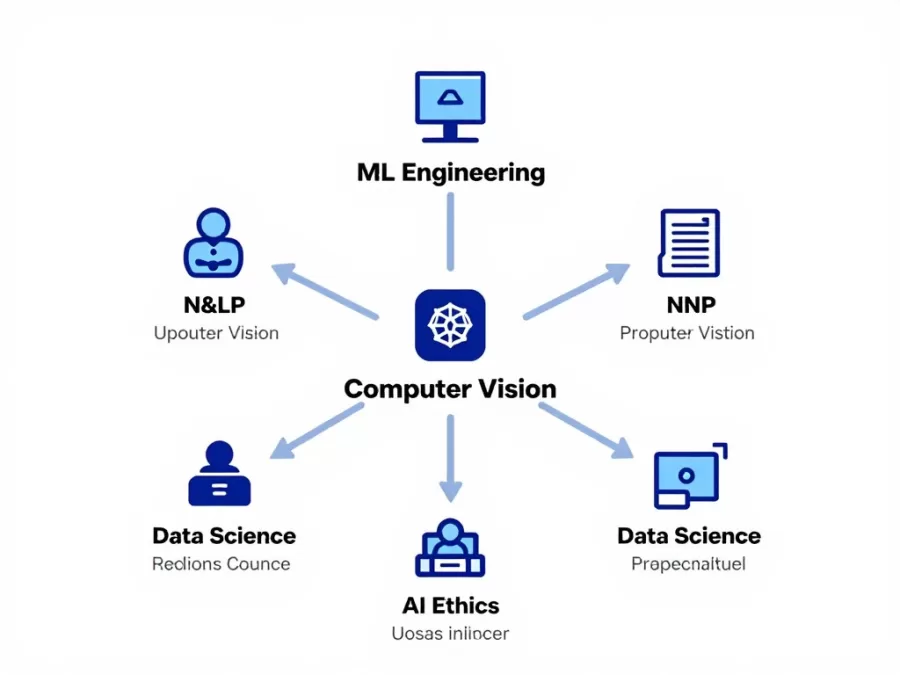
Once comfortable with basics, choose specialization areas aligned with your interests. Deep knowledge in specific domains makes you more attractive to employers than surface-level familiarity with everything.
- Select two to three focus areas based on career goals and market demand
- Complete advanced courses in chosen specializations with certification
- Build portfolio projects demonstrating practical application of skills
- Contribute to open-source AI projects for real-world experience
- Participate in Kaggle competitions or similar platforms for practice
- Join AI communities and attend virtual meetups for networking
This phase typically spans four to five months. Your learning becomes more focused and practical during this period.
Advanced Phase: Job Readiness
The final preparation phase focuses on interview skills, portfolio refinement, and understanding business applications. Technical skills alone don’t guarantee job offers.
Technical Preparation
- Practice coding problems on platforms like LeetCode
- Review machine learning algorithms and their mathematics
- Prepare explanations for your portfolio projects
- Study system design basics for ML applications
- Understand model deployment and production concepts
Professional Development
- Craft a compelling resume highlighting AI projects
- Build a GitHub portfolio with well-documented work
- Practice behavioral interview questions and responses
- Network with professionals in your target industry
- Research companies and understand their AI initiatives
Learning Resources and Platforms
Quality learning materials accelerate your progress. Mix free and paid resources based on your budget and learning style preferences.
Online Courses
Platforms like Coursera, edX, and Udacity offer structured learning paths with hands-on projects and certifications recognized by employers.
Practice Platforms
Kaggle, LeetCode, and HackerRank provide environments to practice coding and compete with peers on real-world problems.
Documentation
Official documentation for libraries like TensorFlow, PyTorch, and Scikit-learn teaches best practices directly from creators.
Community Forums
Stack Overflow, Reddit communities, and Discord servers connect you with experienced practitioners who answer questions.
Industry-Specific Applications Where AI Skills Create Value
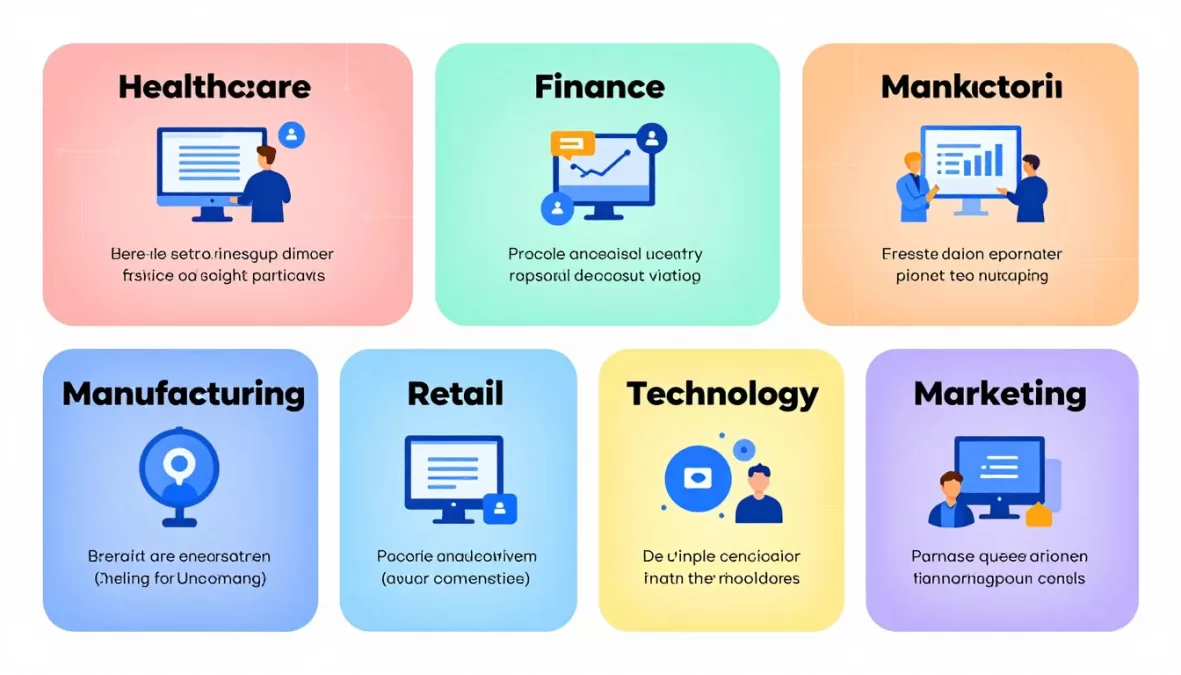
Understanding how different sectors use artificial intelligence helps you target job searches and tailor your skill development. Each industry has unique requirements and opportunities for freshers.
Healthcare and Medical AI
Healthcare organizations increasingly adopt AI for diagnosis, treatment planning, and patient care optimization. This sector offers rewarding careers for freshers passionate about improving lives through technology.

Key Applications
- Medical image analysis for cancer detection and diagnosis
- Drug discovery through molecular structure prediction
- Patient risk stratification and early warning systems
- Personalized treatment recommendation engines
- Hospital resource optimization and scheduling
- Electronic health record analysis for insights
Required Skills
Computer vision for medical imaging, natural language processing for clinical notes, and understanding of healthcare regulations like HIPAA are essential.
Financial Services and Banking
Banks, insurance companies, and investment firms leverage AI extensively. Opportunities range from fraud detection to algorithmic trading and customer service automation.
- Fraud detection systems analyzing transaction patterns in real time
- Credit risk assessment models for loan applications
- Algorithmic trading strategies for investment management
- Customer service chatbots handling routine inquiries
- Anti-money laundering detection through pattern analysis
- Personalized financial advice and portfolio recommendations

Skills in time series analysis, anomaly detection, and understanding financial regulations prove valuable in this sector. Knowledge of business fundamentals helps translate technical work into business impact.
E-commerce and Retail
Online and physical retailers use AI to enhance customer experiences, optimize inventory, and increase sales. This industry offers numerous entry points for freshers with AI skills.

Personalization
Recommendation systems suggest products based on browsing history and purchase patterns, increasing conversion rates significantly.
Operations
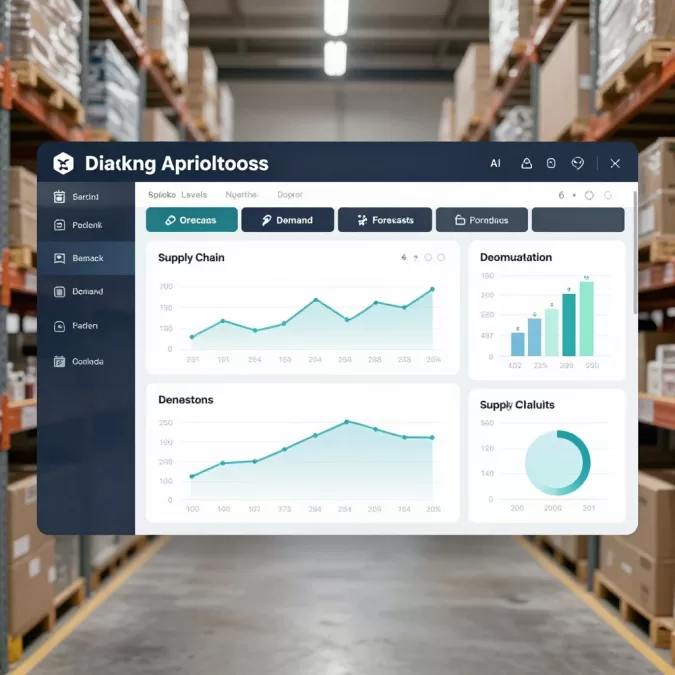
Demand forecasting and inventory optimization reduce costs while ensuring products remain available when customers need them.
Insights
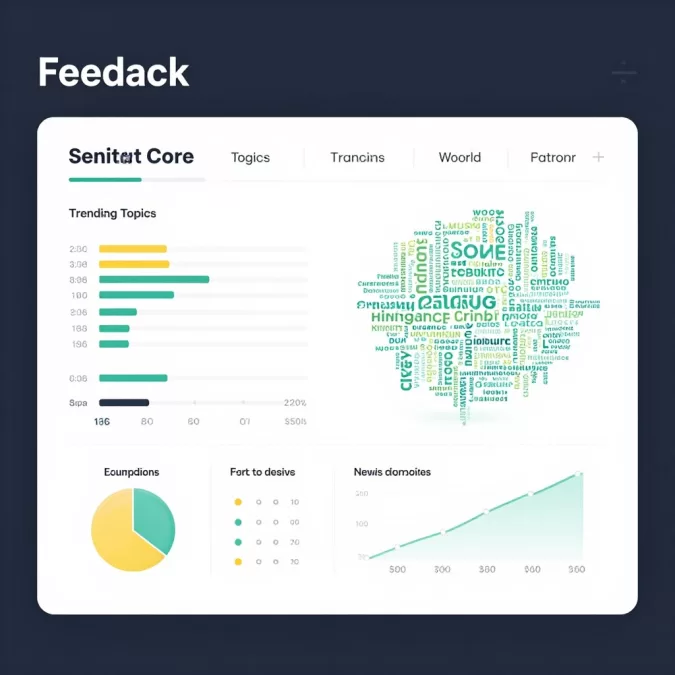
Customer sentiment analysis from reviews and social media helps businesses understand preferences and improve offerings quickly.
Manufacturing and Supply Chain
Smart factories and optimized supply chains rely heavily on artificial intelligence. Manufacturing offers stable career paths with growing AI adoption across organizations of all sizes.

- Predictive maintenance reducing equipment downtime and costs
- Quality control through computer vision inspection systems
- Supply chain optimization for efficient material flow
- Production planning using demand forecasting algorithms
- Robotics and automation for repetitive manufacturing tasks
- Energy optimization reducing operational expenses
Marketing and Advertising
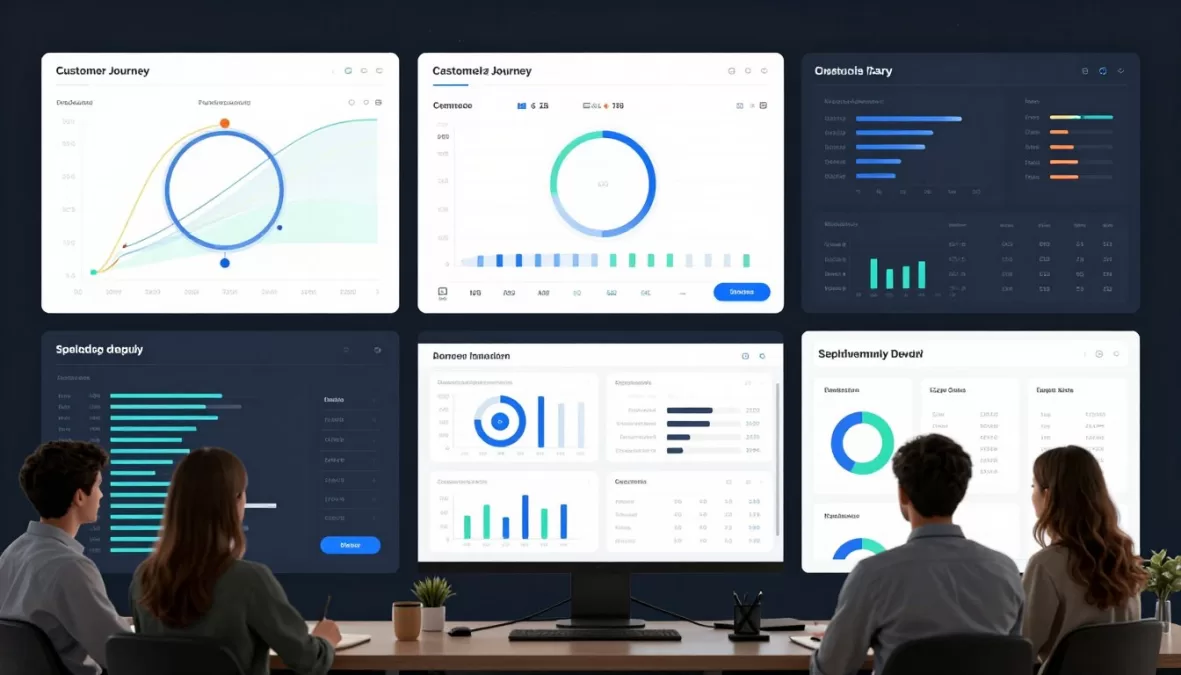
Marketing teams use AI to understand customers better, create personalized campaigns, and measure effectiveness. This creative-meets-technical field welcomes freshers who blend analytical and communication skills.
Customer Understanding
Segmentation algorithms group customers by behavior patterns. Sentiment analysis gauges reactions to campaigns. Predictive models identify high-value prospects for targeted outreach.
Natural language processing extracts insights from customer feedback across social media, reviews, and support tickets, informing strategy decisions.
Content and Campaigns
AI tools generate content variations for A/B testing. Image recognition analyzes which visual elements perform best. Chatbots engage prospects with personalized conversations at scale.
Attribution models use machine learning to understand which marketing touchpoints drive conversions, optimizing budget allocation across channels.
Technology and Software Development
Tech companies develop AI products and integrate intelligence into existing software. This sector offers the highest concentration of AI roles for freshers with diverse opportunities across company sizes.
- Building AI-powered features for consumer applications
- Developing machine learning infrastructure and platforms
- Creating AI tools for developer productivity enhancement
- Implementing recommendation systems for content platforms
- Building conversational AI for customer support automation
- Developing computer vision features for mobile applications
Tips for Freshers to Stand Out in the AI Job Market
Technical skills alone don’t guarantee job offers. The following strategies help you differentiate yourself from other candidates competing for the same positions.

Build a Strong Portfolio
Your portfolio demonstrates capabilities more effectively than any resume claim. Showcase diverse projects that solve real problems using different AI techniques.
- Create three to five substantial projects showing different skills
- Document projects thoroughly with clear explanations and code
- Host code on GitHub with professional README files
- Include visualizations and results demonstrating project impact
- Deploy at least one project as a working web application
- Write blog posts explaining your approach and learnings
Choose projects aligned with your target industry. If interested in healthcare, build a medical image classifier. For retail roles, create a recommendation system.
Contribute to Open Source
Open source contributions demonstrate collaboration skills and technical competence. Many companies actively recruit from contributor communities.
Start small with documentation improvements or bug fixes. Gradually take on more substantial contributions as you become familiar with project workflows and coding standards.
Develop Communication Skills
Explaining complex AI concepts clearly separates good candidates from great ones. Practice articulating technical work to non-technical audiences.

- Write technical blog posts explaining projects and concepts
- Create video tutorials demonstrating your work and processes
- Participate in online discussions and help other learners
- Present at meetups or virtual conferences when possible
- Practice elevator pitches for your projects and skills
Network Strategically
Many opportunities come through professional networks rather than job boards. Build relationships with people working in your target field.
Online Networking
Connect with professionals on LinkedIn. Engage thoughtfully with their content. Join AI-focused groups and contribute valuable insights regularly.
Events and Meetups
Attend industry conferences, webinars, and local meetups. Ask questions, share your work, and follow up with people you meet.
Informational Interviews
Request brief conversations with professionals in roles you want. Learn about their paths and gain advice for your journey.
Stay Current with Industry Trends
The AI field evolves rapidly. Demonstrating awareness of recent developments shows employers your genuine interest and commitment to continuous learning.
- Follow leading AI researchers and practitioners on social media
- Read research papers from major conferences like NeurIPS and ICML
- Subscribe to AI newsletters and podcasts for regular updates
- Experiment with newly released models and tools promptly
- Participate in discussions about AI ethics and societal impact
Customize Applications for Each Role
Generic applications rarely succeed. Tailor your resume, cover letter, and portfolio presentation to each specific opportunity.
Research the company thoroughly. Understand their products, challenges, and AI initiatives. Explain how your specific skills address their needs in your application materials.
Join 50,000+ Freshers Who Successfully Launched AI Careers
Get personalized career guidance, resume reviews, and interview preparation from industry experts. Our proven system helps freshers land AI roles at top companies.
Overcoming Common Challenges Freshers Face
Every fresher encounters obstacles while building AI skills and searching for jobs. Understanding common challenges helps you prepare effective responses.

The Experience Paradox
Many entry-level positions request experience, creating a frustrating catch-22 situation. Your portfolio projects and contributions provide that crucial experience proof.
Effective Strategies
- Complete substantial capstone projects during learning
- Contribute to open-source AI projects consistently
- Participate in hackathons and competitions regularly
- Seek internships even unpaid for resume value
- Build freelance projects for real clients
- Document everything professionally in portfolio
Common Mistakes
- Only completing tutorial projects without originality
- Avoiding challenging projects due to difficulty
- Failing to document work properly
- Not networking with industry professionals
- Waiting for perfect conditions before starting
- Giving up after initial rejections
Information Overload
The vast amount of AI content can feel overwhelming. Focus on fundamentals first, then specialize based on your interests and market demand.
Create a structured learning plan rather than jumping between random resources. Complete one course fully before starting another. Quality understanding beats superficial exposure to many topics.
Imposter Syndrome
Feeling inadequate compared to experienced professionals is normal. Remember that everyone starts as a beginner. Your fresh perspective and recent education offer unique value.

- Focus on your growth trajectory rather than comparing to experts
- Celebrate small wins and milestones along your journey
- Find a supportive learning community for encouragement
- Remember that asking questions shows strength, not weakness
- Document your learning to see how far you have progressed
Financial Constraints
Expensive courses and certifications aren’t mandatory for learning AI skills. Abundant free resources exist from universities, companies, and the open-source community.
Free Learning Paths
- YouTube channels from Stanford, MIT, and other universities
- Free tier access on Coursera and edX platforms
- Open-source tools require no licensing fees
- Community forums provide free mentorship support
- Google Colab offers free GPU access
Investment Priorities
- Reliable internet connection for learning access
- One comprehensive paid course in specialization
- Cloud computing credits when needed
- Professional resume review service optionally
- Networking event attendance when valuable
Future Trends in AI Skills Demand
Understanding emerging trends helps you future-proof your skill set. The AI landscape evolves continuously, creating new opportunities for prepared freshers.

Multimodal AI Systems
Future AI systems will process multiple data types simultaneously – text, images, audio, and video. Skills in developing and working with multimodal models will become increasingly valuable.
Start building familiarity with models like GPT-4 Vision and similar systems that combine language and visual understanding. This trend accelerates as applications demand richer interactions.
Edge AI and Deployment
Running AI models on devices rather than cloud servers gains importance. Skills in model optimization, compression, and deployment on resource-constrained environments will be sought after.
- Model quantization techniques for size reduction
- Knowledge distillation for efficient models
- Mobile deployment frameworks like TensorFlow Lite
- Hardware acceleration understanding for inference
- Battery and memory optimization for edge devices
AI Governance and Compliance
Regulatory frameworks around AI continue developing globally. Freshers who understand compliance requirements will help organizations navigate this complex landscape.
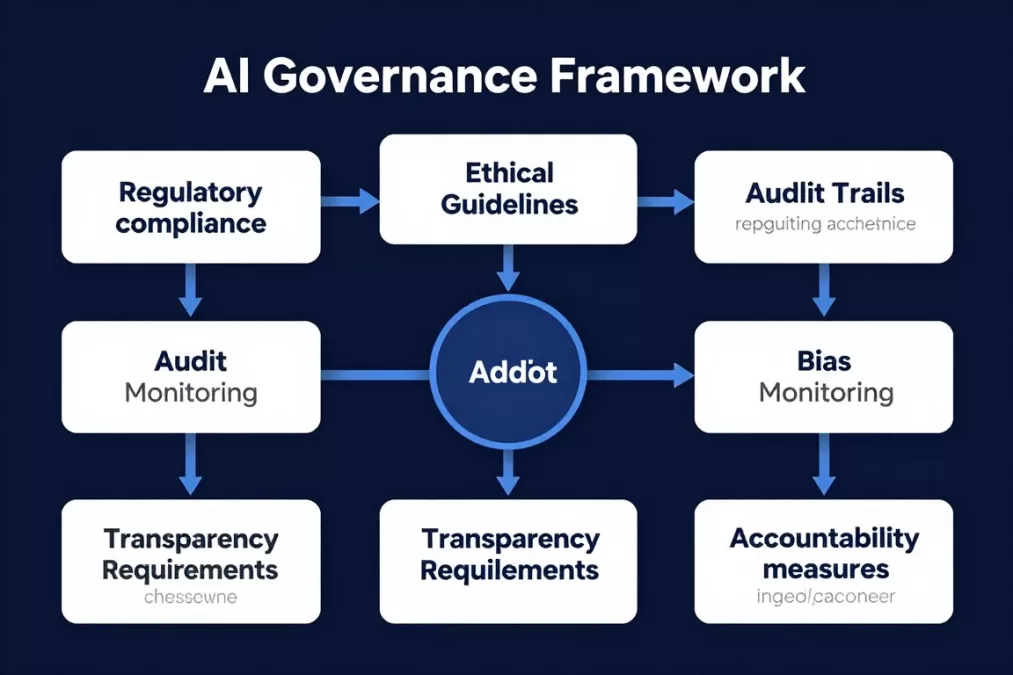
Study emerging regulations like the EU AI Act and understand how they impact development practices. This knowledge becomes a significant differentiator as companies prioritize responsible AI.
Human-AI Collaboration
The focus shifts from AI replacing humans to augmenting human capabilities. Designing interfaces and workflows where humans and AI work together effectively requires new skills.
Understanding user experience design, human-computer interaction, and cognitive science complements technical AI knowledge. This interdisciplinary approach creates unique career opportunities.
Automated Machine Learning
AutoML tools democratize AI development, but expertise in using and customizing these systems becomes valuable. Understanding when to use automated approaches versus manual development matters.
AutoML Platforms
Familiarity with tools like Google AutoML, H2O.ai, and Azure AutoML enables rapid prototyping and experimentation across various problems.
Custom Solutions
Knowing when AutoML suffices and when custom development is needed demonstrates strategic thinking beyond pure technical execution.
Optimization Skills
Understanding hyperparameter tuning, neural architecture search, and feature engineering remains relevant even with automation tools.
Valuable Certifications for AI Freshers
While not mandatory, certifications validate your skills to employers. Choose programs that offer hands-on projects and recognized credentials.
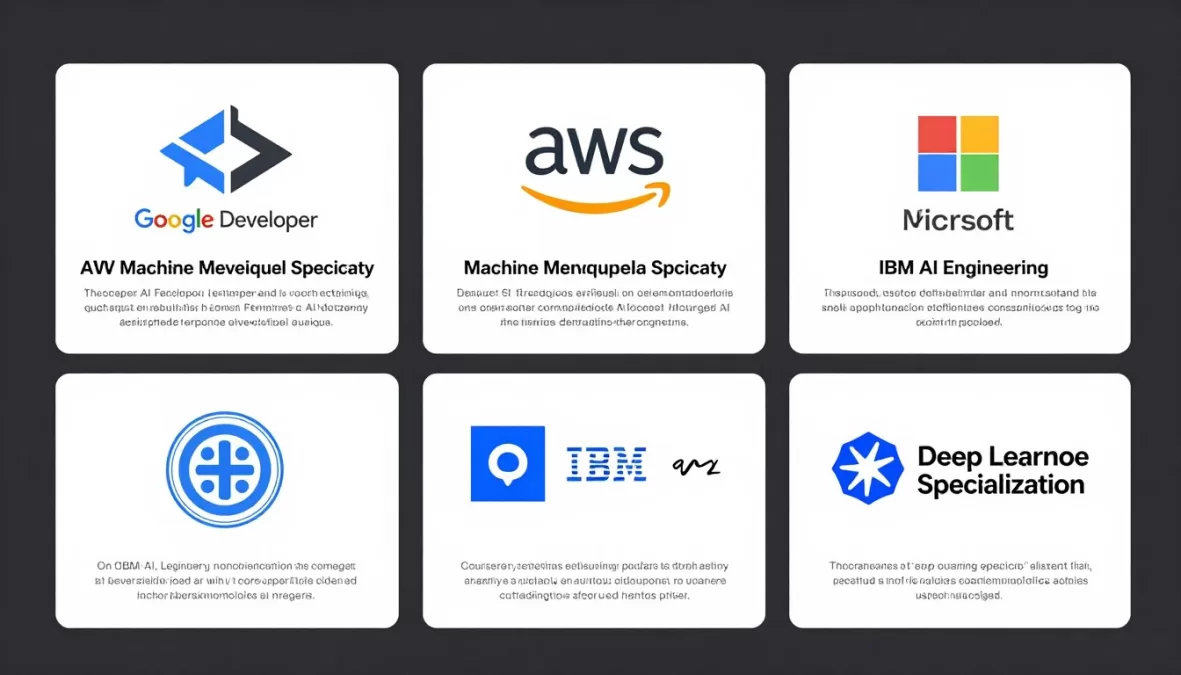
| Certification | Provider | Focus Area | Difficulty | Duration |
| TensorFlow Developer Certificate | Deep Learning Frameworks | Intermediate | 2-3 months | |
| AWS Machine Learning Specialty | Amazon | Cloud ML Services | Intermediate | 3-4 months |
| Azure AI Engineer Associate | Microsoft | Cloud AI Solutions | Intermediate | 2-3 months |
| IBM AI Engineering Professional | IBM via Coursera | ML and Deep Learning | Beginner to Intermediate | 3-6 months |
| Deep Learning Specialization | DeepLearning.AI | Neural Networks | Intermediate | 3-4 months |
| Professional Data Scientist | DataCamp | Data Science and ML | Beginner to Intermediate | 4-6 months |
Choose certifications aligned with your career goals and budget. Some employers value cloud platform certifications highly, while others prefer framework-specific credentials.
Certification Strategy Guide
Download our comprehensive guide comparing AI certifications, their costs, difficulty levels, and ROI. Includes preparation tips and recommended study schedules for freshers.
Salary Expectations for AI Freshers in India
Understanding compensation helps you negotiate effectively and set realistic expectations. AI skills command premium salaries even at entry levels.
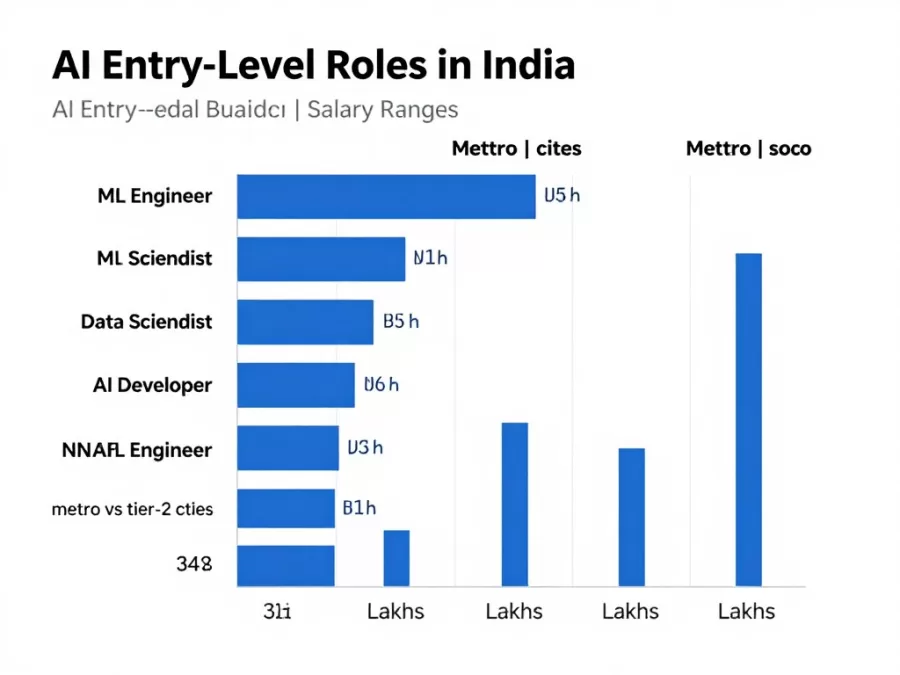
Entry-Level Compensation Ranges
Fresh graduates with strong AI skills typically earn between six to twelve lakhs annually in India. Location, company size, and specific role significantly impact compensation.
Metro Cities
- Machine Learning Engineer: ₹8-12 LPA
- Data Scientist: ₹7-11 LPA
- AI Application Developer: ₹6-10 LPA
- Computer Vision Engineer: ₹8-13 LPA
- NLP Engineer: ₹7-12 LPA
Tier-2 Cities
- Machine Learning Engineer: ₹6-9 LPA
- Data Scientist: ₹5-8 LPA
- AI Application Developer: ₹5-7 LPA
- Computer Vision Engineer: ₹6-10 LPA
- NLP Engineer: ₹5-9 LPA
Factors Influencing Compensation
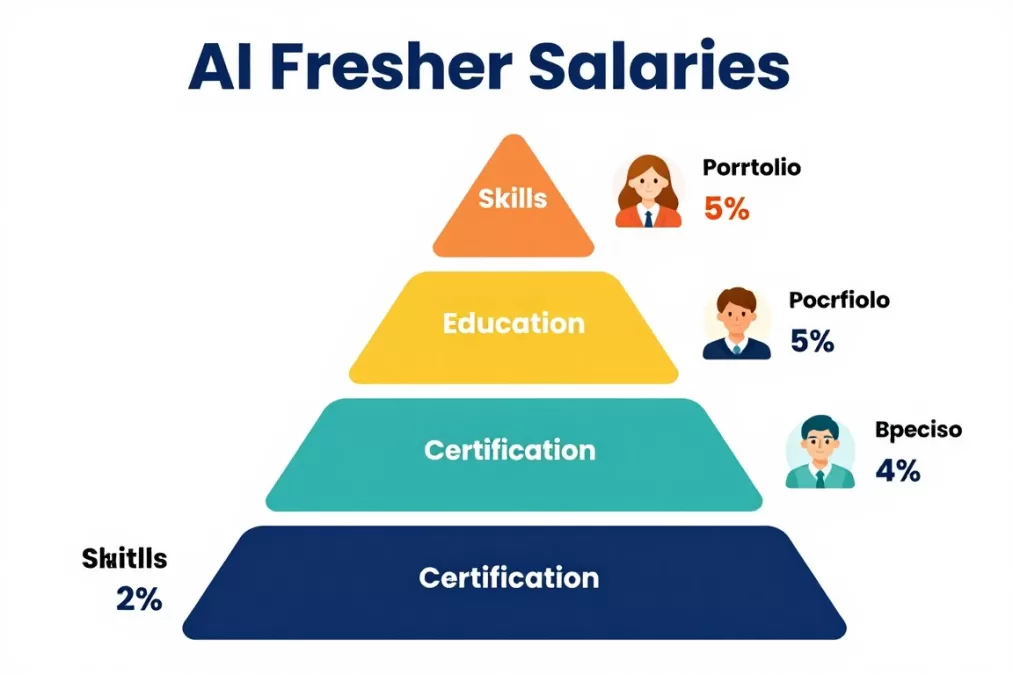
Several variables affect your earning potential beyond just technical skills. Understanding these helps you maximize your value proposition.
- Educational background and institution reputation impacts offers
- Portfolio quality and project complexity demonstrate capability
- Previous internships or freelance work add credibility
- Communication and presentation skills during interviews matter
- Certifications from recognized providers validate knowledge
- Specialization in high-demand areas commands premiums
Success Stories from AI Freshers
Real examples inspire and provide actionable insights. These stories highlight different paths to successful AI careers.

From Mechanical to ML Engineer
Rajesh, a mechanical engineering graduate, taught himself Python and machine learning through free online courses. His portfolio of five strong projects helped him land an ML engineer role at a startup.
Key Takeaway: Consistent daily practice and project quality matter more than your degree specialization.

Physics Graduate to Data Scientist
Priya leveraged her strong mathematical background to transition into data science. She completed three Coursera specializations and contributed to open-source projects before joining a consulting firm.
Key Takeaway: Your academic foundation in math and statistics is valuable. Build on existing strengths strategically.

Self-Taught to Computer Vision Role
Amit spent eight months building expertise in computer vision while working a different job. His specialized portfolio caught attention at a healthcare AI company.
Key Takeaway: Deep specialization in one area can outweigh broad but shallow knowledge across many topics.
Your Action Plan: Starting Today
Knowledge without action produces no results. Use this concrete plan to begin your AI skills journey immediately.
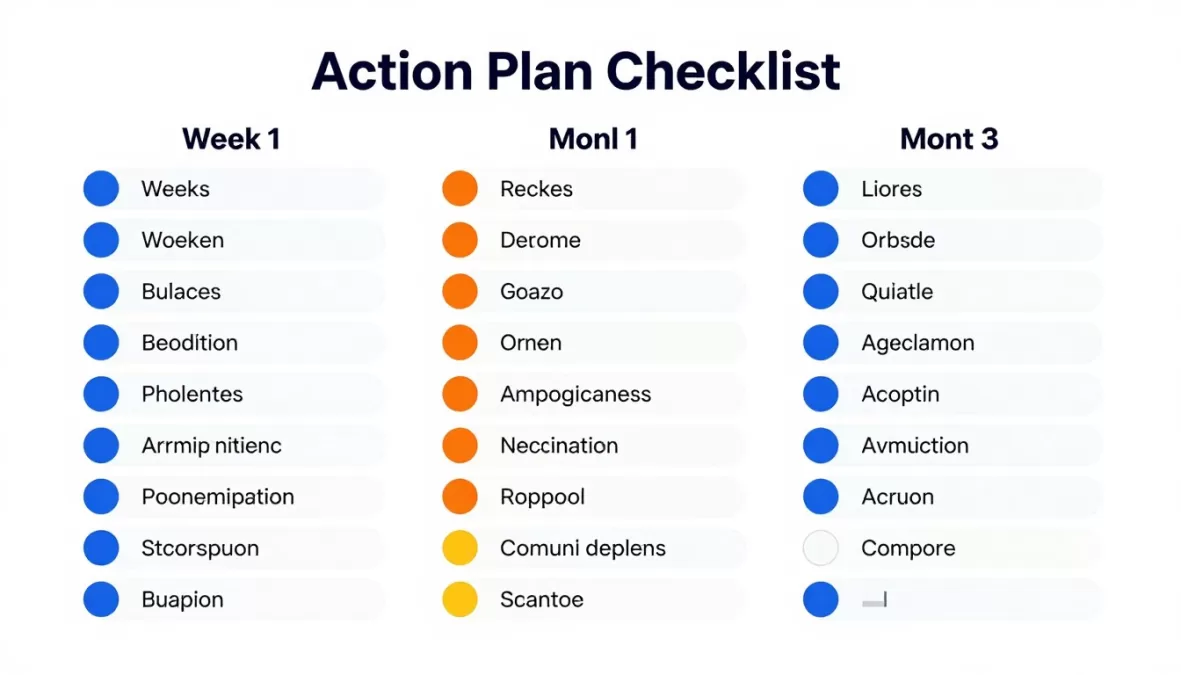
Week One Actions
- Set up your learning environment with Python, Jupyter Notebook, and essential libraries installed
- Create accounts on key platforms: GitHub, Kaggle, LinkedIn, and one learning platform
- Complete your first introductory Python course focusing on data structures and basic syntax
- Start a learning journal to track progress, questions, and insights daily
- Join three AI-focused communities online for networking and support
- Define your specific career goal and target role clearly
- Identify three companies you want to work for eventually
Month One Objectives
- Complete a foundational machine learning course with all assignments
- Build your first simple ML project using a public dataset
- Document the project thoroughly on GitHub with explanations
- Write a blog post explaining what you learned
- Connect with ten professionals in AI roles on LinkedIn
- Start following key AI researchers and practitioners
- Attend at least two virtual meetups or webinars
Three Month Milestones
By the end of three months, you should have foundational skills and initial portfolio pieces. This positions you for internship applications or entry-level opportunities.
Technical Goals
- Three completed portfolio projects
- Proficiency in Python and key libraries
- Understanding of ML fundamentals
- One specialization area identified
- Active GitHub profile maintained
Professional Goals
- Updated resume and LinkedIn profile
- Network of 50+ connections
- Two blog posts published
- Informational interview completed
- Job application process started
Transform Your Career in 2026 with AI Skills
Choose your perfect learning path. Start with free resources, join guided programs, or get personalized mentorship. Whatever your situation, we have options that work for you.
Launch Your AI Career with Confidence
The journey to building AI skills and landing your first role requires dedication, but the path is clear. Thousands of freshers successfully navigate this transition each year in India.
Start with fundamentals in Python, mathematics, and machine learning basics. Build projects that demonstrate your capabilities to employers. Network strategically and communicate your value effectively.

The 2026 job market offers tremendous opportunities for freshers with AI skills. Companies across all sectors need talent who understand both technology and business applications.
Your background matters less than your demonstrated ability to learn and apply AI concepts. Focus on building a strong portfolio, developing communication skills, and staying current with industry trends.
The time to start is now. Every day you invest in learning brings you closer to your career goals. The AI revolution creates opportunities for those prepared to seize them.
Take the first step today. Your future self will thank you for the investment you make in your skills and knowledge right now.