
The year 2026 promises exceptional opportunities for aspiring banking professionals across India. Major banking institutions are preparing to announce thousands of vacancies for various positions. Whether you dream of becoming a probationary officer or wish to start as a clerk, the upcoming Bank Recruitment 2026 cycle offers pathways for candidates at different career stages.
This comprehensive guide covers everything you need to know about upcoming recruitment drives. We will explore vacancy details from leading banks including State Bank of India, IBPS-affiliated institutions, and the Reserve Bank of India. Candidates who prepare strategically can significantly improve their chances of selection.
Understanding the recruitment landscape early gives you a competitive advantage. The banking sector remains one of India’s most sought-after career destinations, offering job security, growth opportunities, and attractive compensation packages.
Never Miss a Bank Recruitment Update
Get instant notifications about SBI, IBPS, RBI and other bank recruitment announcements directly in your inbox. Stay ahead of thousands of candidates with timely alerts.
State Bank of India (SBI) Recruitment 2026

State Bank of India, the nation’s largest public sector bank, is expected to announce multiple recruitment drives in 2026. The bank typically releases notifications for clerk, probationary officer, and specialist officer positions. SBI recruitment attracts millions of candidates annually due to its reputation and career growth opportunities.
The bank follows a structured selection process that ensures fairness and transparency. Candidates provisionally selected undergo rigorous evaluation through preliminary exams, main exams, and interviews. Understanding the complete process helps candidates prepare more effectively.
Expected SBI Vacancies for 2026
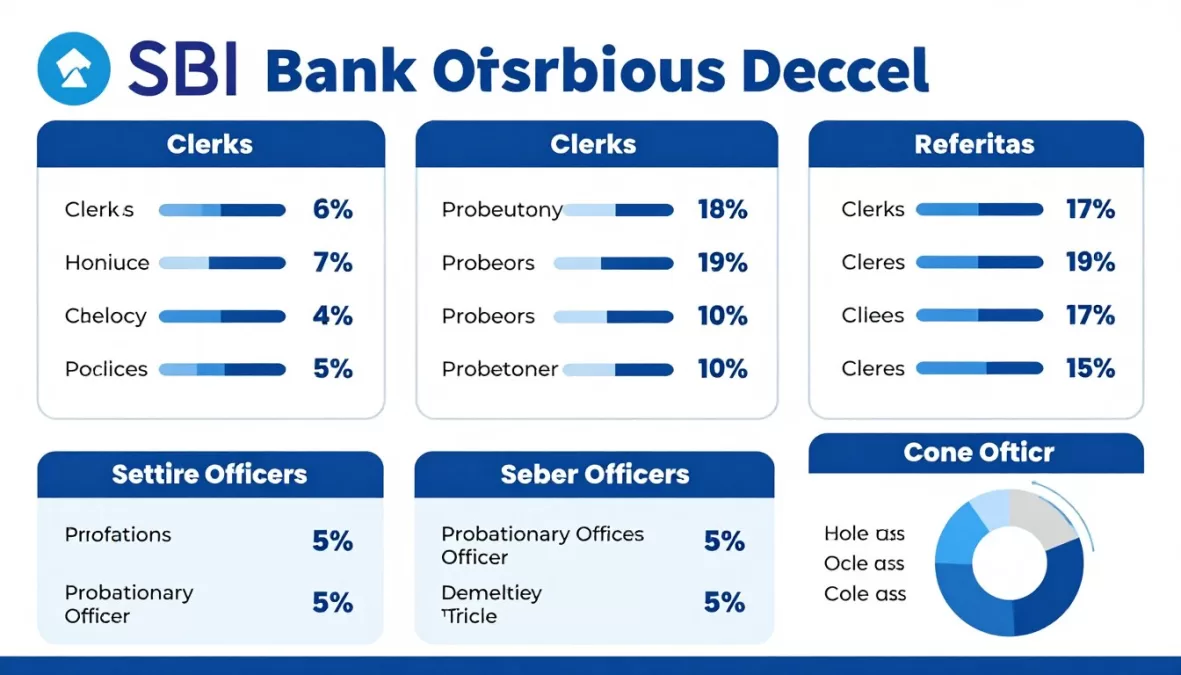
Based on previous recruitment patterns, SBI is likely to announce approximately 8,000 to 10,000 vacancies across various positions. The clerk position usually constitutes the largest share, followed by probationary officers and specialist officers. These numbers may vary based on the bank’s operational requirements and expansion plans.
The recruitment will cover positions across India, with vacancies distributed among different states and union territories. Candidates provisionally selected for specific regions must be willing to serve anywhere within their assigned area. This geographical flexibility is a standard requirement for all bank positions.
| Position | Expected Vacancies | Qualification | Age Limit |
| Junior Associate (Clerk) | 5000-6000 | Graduate in any discipline | 20-28 years |
| Probationary Officer | 2000-2500 | Graduate (minimum 60%) | 21-30 years |
| Specialist Officer (IT) | 300-400 | Engineering/MCA | 21-30 years |
| Specialist Officer (Marketing) | 200-300 | MBA/PGDM in Marketing | 21-30 years |
| Specialist Officer (Law) | 100-150 | LLB degree | 21-30 years |
SBI Eligibility Criteria and Requirements
Educational qualifications vary depending on the position applied for. For clerk positions, a graduate degree from a recognized university is mandatory. Probationary officers must possess a graduation degree with a minimum specified percentage, which typically ranges from 55% to 60%.
Specialist officer positions require specific educational backgrounds relevant to the specialization. For instance, candidates applying for the IT officer role need engineering degrees or MCA qualifications. Similarly, law officer positions require LLB degrees from recognized institutions.
Age relaxation is provided to candidates belonging to reserved categories as per government guidelines. SC/ST candidates typically receive 5 years relaxation, while OBC candidates get 3 years. Ex-servicemen and other specified categories also receive age benefits according to established norms.
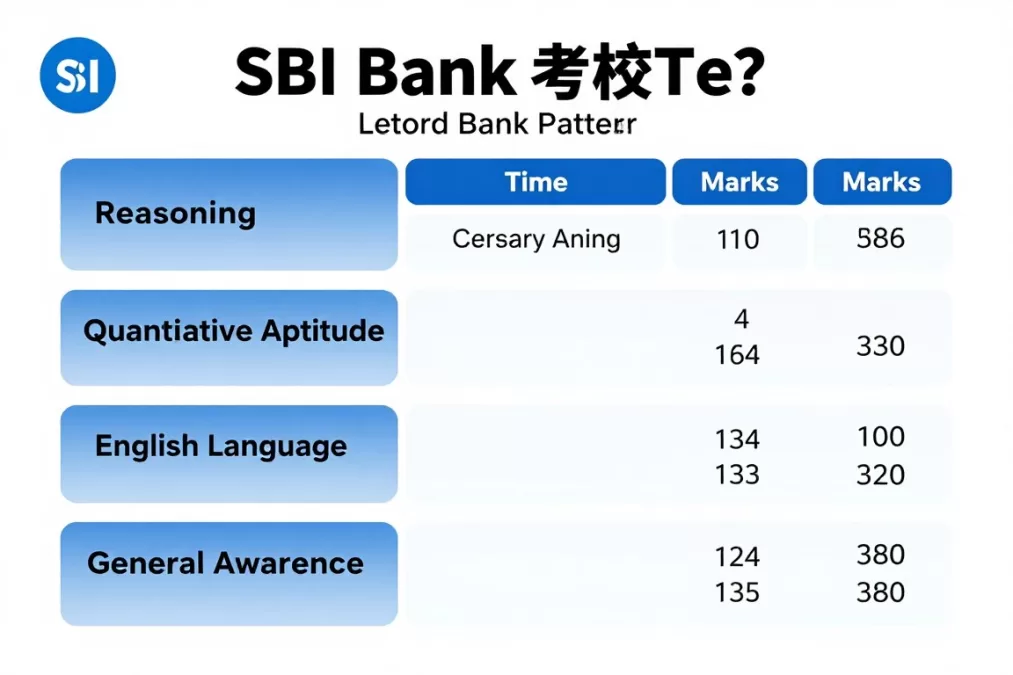
SBI Selection Process Overview
The selection process consists of multiple stages designed to assess candidates comprehensively. The preliminary exam serves as a screening test with sections covering English language, numerical ability, and reasoning ability. Candidates who clear this stage proceed to the main examination.
The main examination is more detailed and includes additional sections like general awareness and computer knowledge. For probationary officer positions, a descriptive paper testing writing skills is also included. The online exam call letter is issued to eligible candidates through the official website.
Candidates provisionally selected based on written exam performance are called for personal interviews. The interview panel evaluates communication skills, subject knowledge, and overall suitability for banking roles. Final selection depends on combined performance across all stages.
Preliminary Exam Details
- Duration: 60 minutes total
- English Language: 30 questions
- Numerical Ability: 35 questions
- Reasoning Ability: 35 questions
- Total Marks: 100
- Qualifying nature only
Main Exam Details
- Duration: 3 hours total
- Reasoning & Computer: 60 marks
- Data Analysis: 60 marks
- General Awareness: 50 marks
- English Language: 40 marks
- Marks count for final merit
Apply for SBI Recruitment 2026
Official SBI recruitment notifications will be published on the bank’s career portal. Register early and complete your application before the deadline to avoid last-minute technical issues.
IBPS Recruitment 2026: Clerk, PO & SO Positions
The Institute of Banking Personnel Selection conducts recruitment on behalf of multiple public sector banks in India. IBPS recruitment represents one of the largest banking recruitment exercises annually. The institute manages hiring for clerk, probationary officer, and specialist officer positions across participating banks.
IBPS follows a standardized examination pattern that maintains consistency across all participating banks. Candidates provisionally selected through IBPS can receive appointment offers from any of the participating banks based on their preferences and merit rankings. This centralized recruitment system streamlines the process for both banks and candidates.
Participating Banks in IBPS 2026
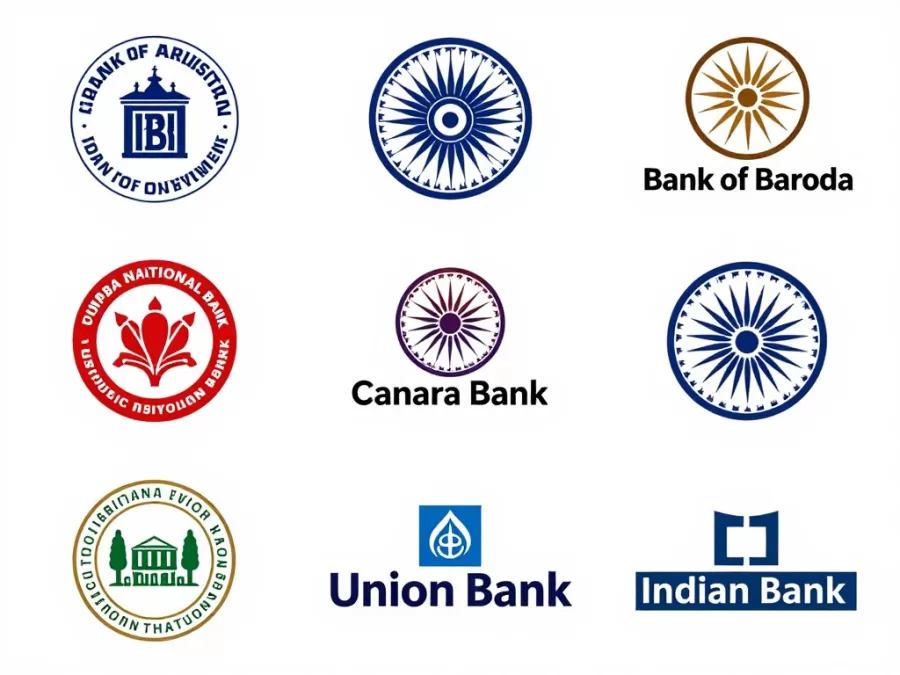
Several nationalized banks participate in the IBPS recruitment process. These include Bank of Baroda, Canara Bank, Indian Bank, Punjab National Bank, and Union Bank of India among others. The complete list of participating banks is announced with the official notification each year.
Each participating bank specifies its vacancy requirements to IBPS. Candidates can indicate their bank preferences during the application process. However, final allotment depends on merit rank, category, and bank-specific requirements. Understanding this allocation process helps candidates make informed preference choices.
IBPS Clerk 2026

- Expected Vacancies: 7000-8000
- Qualification: Graduate degree
- Age Limit: 20-28 years
- Two-tier exam pattern
- No interview for final selection
IBPS PO 2026

- Expected Vacancies: 4000-5000
- Qualification: Graduate (55% minimum)
- Age Limit: 21-30 years
- Prelims, Mains & Interview
- One year training period
IBPS SO 2026

- Expected Vacancies: 1500-2000
- Qualification: Specialized degrees
- Age Limit: 21-30 years
- Single tier exam plus interview
- Multiple specializations available
IBPS Exam Pattern and Syllabus
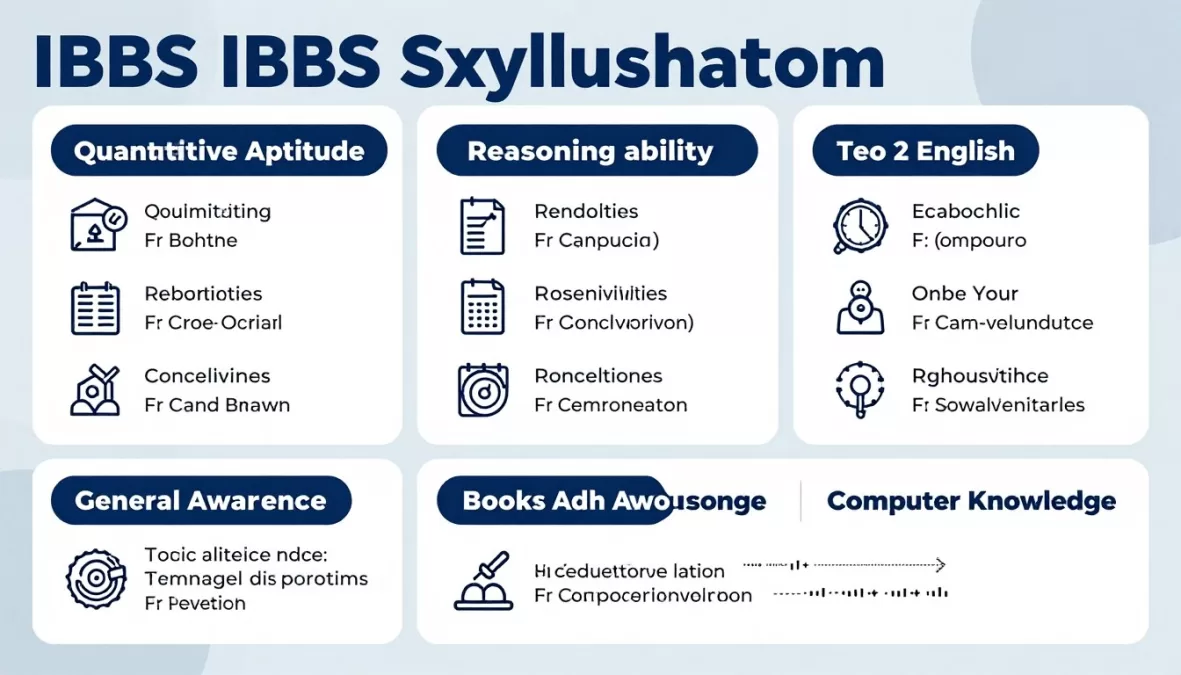
IBPS examinations assess candidates on multiple parameters including reasoning ability, quantitative aptitude, English language, and general awareness. The preliminary examination serves as a qualifier with sectional and overall cutoffs. Candidates clearing prelims advance to the main examination.
The main examination is more comprehensive and includes a computer knowledge section. For probationary officer positions, candidates must also clear a descriptive paper testing letter writing and essay composition skills. The exam call letter for each stage is downloadable from the official IBPS website.
Specialist officer exams include a professional knowledge section specific to the chosen specialization. For instance, IT officer candidates face questions on programming, databases, and networking. Similarly, agriculture officers encounter questions related to agricultural economics and practices.
Important Dates for IBPS 2026
IBPS typically announces recruitment notifications in August for clerk positions and in September for probationary officer roles. Specialist officer recruitment notifications usually appear in November. These timelines help candidates plan their preparation schedules effectively.
The application period generally spans 3-4 weeks from notification release. Candidates must complete online registration and fee payment within this window. The exam call letter becomes available approximately two weeks before the examination date.
Preliminary examinations are usually conducted in October-November for clerk positions and in December-January for PO positions. Main examinations follow 6-8 weeks after prelims. Results of the final result stage appear 2-3 months after the main examination.
| Recruitment | Notification Month | Application Period | Prelims Exam | Mains Exam |
| IBPS Clerk 2026 | August 2026 | August-September | October-November 2026 | January 2027 |
| IBPS PO 2026 | September 2026 | September-October | December 2026 | February 2027 |
| IBPS SO 2026 | November 2026 | November-December | Not Applicable | January 2027 |
| IBPS RRB 2026 | June 2026 | June-July | August 2026 | October 2026 |
Pro Tip: IBPS recruitment follows a predictable annual calendar. Starting preparation 6 months before expected notification dates gives candidates sufficient time to cover the entire syllabus systematically and attempt multiple mock tests.
Access IBPS Preparation Resources
Download comprehensive study materials including previous year question papers, topic-wise practice sets, and detailed syllabus documents. Our resources are updated for the 2026 examination pattern.
Reserve Bank of India (RBI) Recruitment 2026
The Reserve Bank of India offers prestigious career opportunities through its annual recruitment exercises. RBI positions are highly coveted due to their excellent compensation packages, job security, and the institution’s central role in India’s financial system. The bank recruits for various grades including Grade B officers, assistants, and specialist positions.
RBI Grade B officer recruitment attracts thousands of applications from India’s brightest candidates. The position offers direct entry into middle management with significant responsibilities in monetary policy, banking supervision, and economic research. Candidates provisionally selected undergo comprehensive training at RBI’s training establishments.
RBI Grade B Officer Recruitment Details
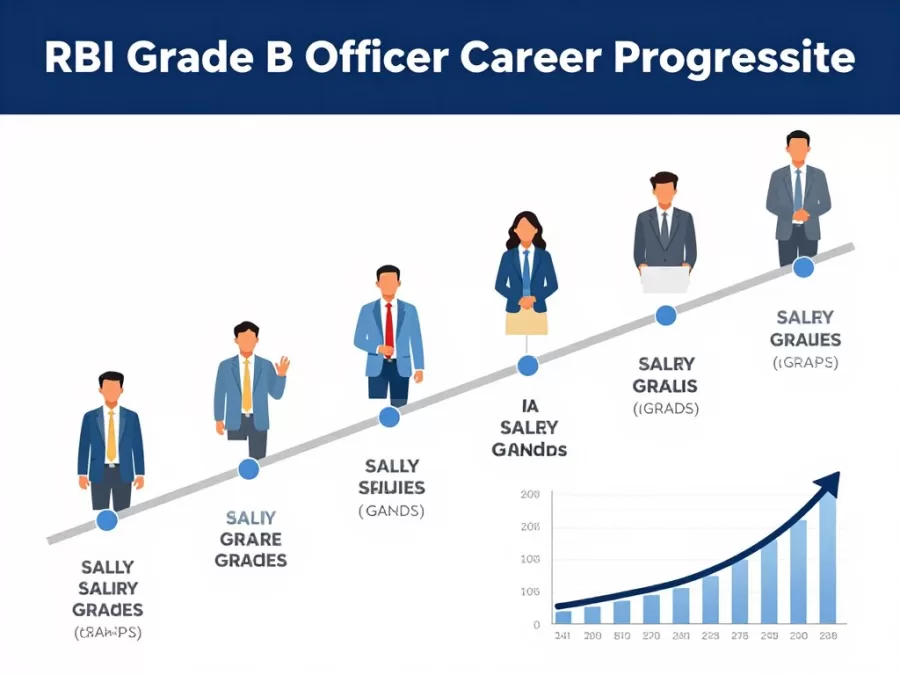
Grade B officers join RBI in the general, DEPR (Department of Economic and Policy Research), or DSIM (Department of Statistics and Information Management) categories. Each stream has specific qualification requirements and selection processes. The general stream accepts graduates from all disciplines, while DEPR and DSIM require economics and statistics backgrounds respectively.
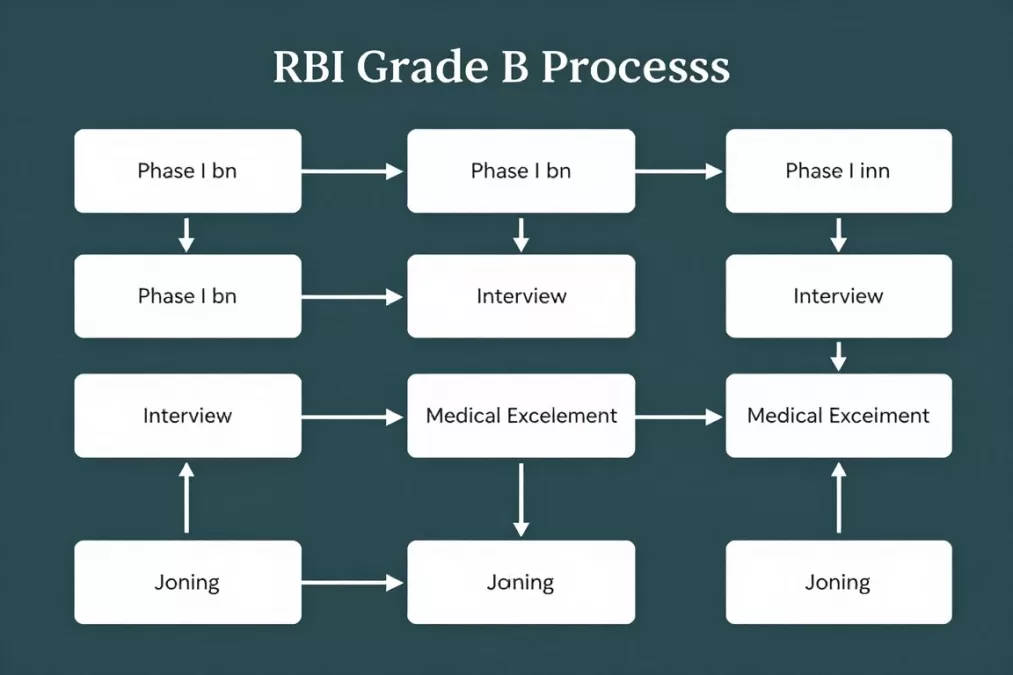
The selection process for Grade B officers is rigorous and multi-staged. It includes Phase I examination (objective type), Phase II examination (objective and descriptive), and a personal interview. The entire recruitment process typically spans 6-8 months from notification to final result announcement.
General Stream Requirements
- Minimum 60% in graduation (55% for SC/ST/PwD candidates)
- Age limit: 21-30 years
- Any graduate discipline accepted
- Selection through written exam and interview
- Starting grade: JMGS-I with approximately 8 lakh annual package
DEPR Stream Requirements
- Master’s degree in Economics/Finance minimum 55%
- Age limit: 21-30 years
- Research aptitude assessed
- Work involves economic policy analysis
- Opportunities to work with chief economic advisor team

RBI Assistant Recruitment 2026
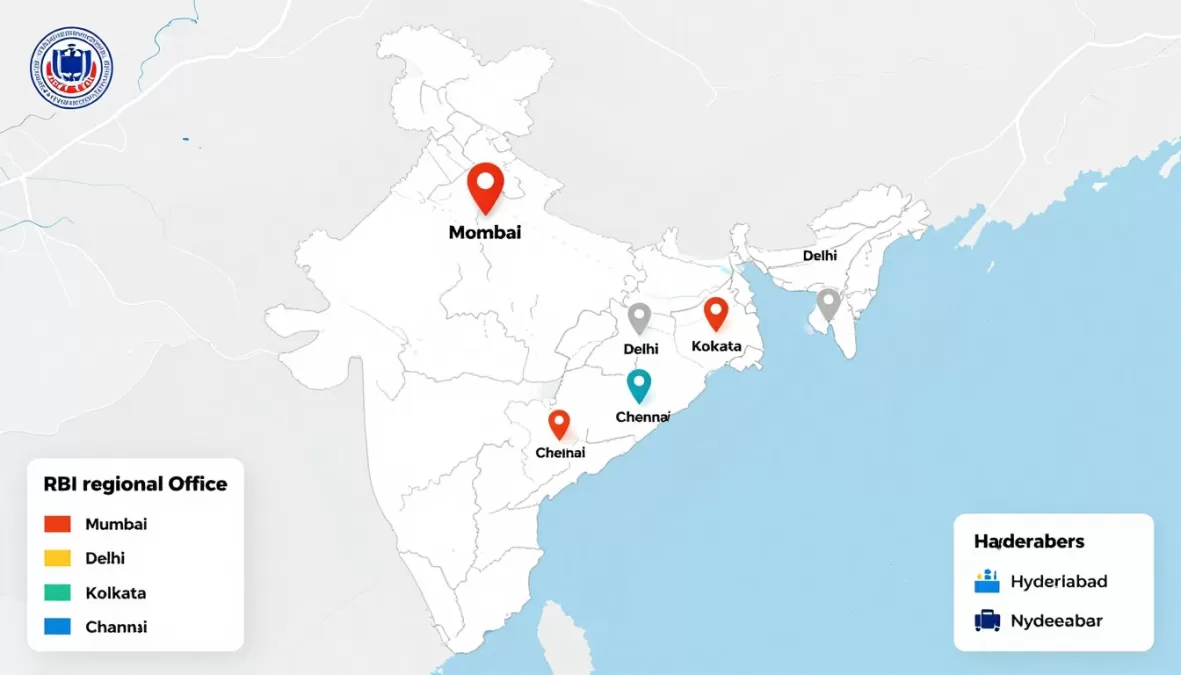
RBI assistant positions offer another entry point into the central bank. These roles involve operational and administrative functions across RBI’s regional offices nationwide. The post requires graduation in any discipline from a recognized university with a minimum percentage as specified in the notification.
The selection process for assistants includes a preliminary examination, main examination, and language proficiency test. Unlike Grade B recruitment, there is no interview stage for assistant positions. Candidates provisionally selected based on written exam performance proceed directly to document verification.
RBI assistants receive attractive salaries starting around 4 lakh annually, along with benefits like housing, medical coverage, and pension. Career growth opportunities exist through internal promotions and departmental examinations.
Specialist Officer Positions at RBI
RBI recruits specialist officers for technical and professional roles across various domains. These include legal officer, manager (security), manager (technical), engineer, architect, and other specialized positions. Each role has specific qualification requirements aligned with the job function.
The recruitment specialist positions offer contractual basis appointments initially, which may be converted to permanent positions based on performance. The contract basis typically spans 3-5 years with provisions for extension. Salary packages for specialist officers vary by role and experience level.
Applications for specialist positions follow a separate recruitment process managed by RBI directly. The information handout for each recruitment provides detailed requirements, selection procedures, and service conditions for the post.
Legal Officer
Qualification: LLB with 5 years practice experience. Handles legal matters, litigation, and regulatory compliance. Contract basis appointment with attractive remuneration package.

Manager (Technical)
Qualification: Engineering degree with IT experience. Manages technology infrastructure, cybersecurity, and digital banking initiatives. Officer contractual basis with conversion potential.

Data Scientist
Qualification: Master’s in Statistics/Mathematics/Computer Science. Analyzes economic data, builds models, supports policy decisions. Contractual basis with research focus.
Apply for RBI Recruitment 2026
Visit RBI’s official careers portal for the latest recruitment notifications. Grade B and Assistant recruitment notifications typically release in February and September respectively. Register and apply online through the official portal only.
Other Major Bank Recruitments in 2026
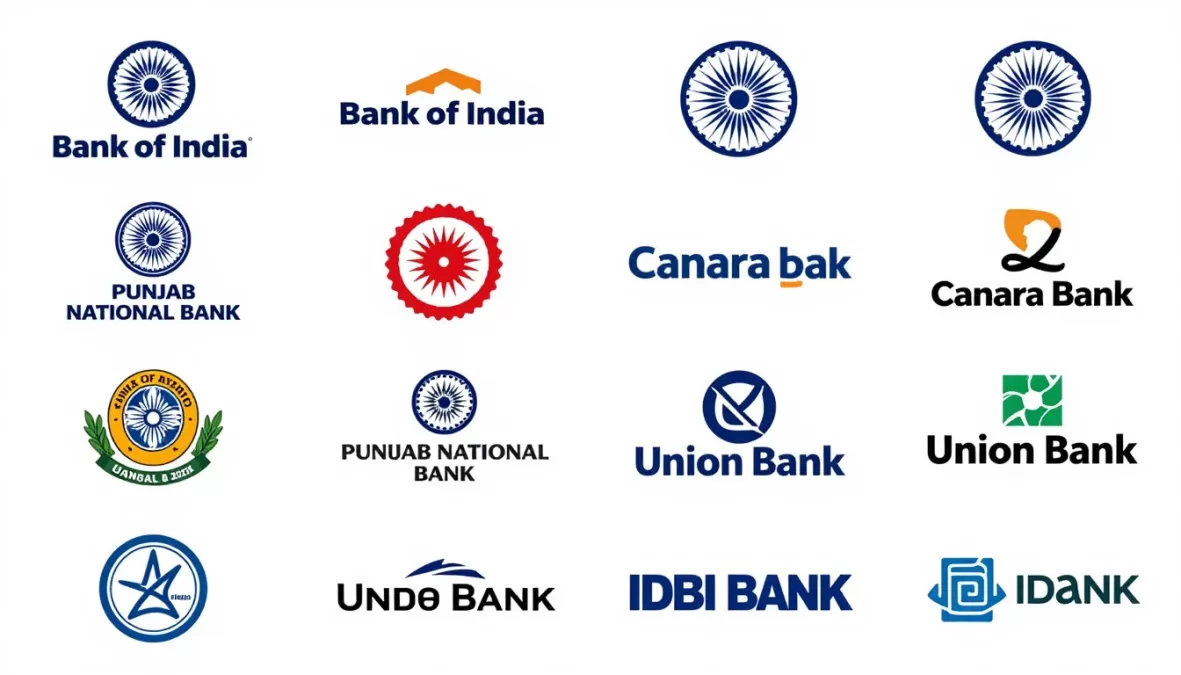
Beyond SBI, IBPS, and RBI, several other banking institutions conduct independent recruitment processes. These include specialized banks, regional rural banks, and private sector banks. Each offers unique opportunities with varying eligibility criteria and selection procedures.
NABARD Recruitment 2026
The National Bank for Agriculture and Rural Development recruits Grade A and Grade B officers annually. NABARD focuses on agricultural and rural development financing. The bank offers challenging roles for candidates passionate about rural economic development.
NABARD Grade A officer recruitment requires professional qualifications in agriculture, engineering, IT, or management. The selection process includes a preliminary exam, main exam, and interview. Candidates provisionally selected receive comprehensive training on rural banking and development finance.

Regional Rural Banks (RRB) Recruitment
Regional rural banks across India recruit office assistants and officers through IBPS. RRB recruitment offers opportunities for candidates interested in serving rural and semi-urban areas. These positions provide valuable experience in grassroots banking operations.
The IBPS RRB recruitment process is separate from regular IBPS examinations. Candidates can apply for officer scale positions or office assistant positions based on their qualifications. The exam pattern and syllabus differ slightly from regular IBPS examinations.
RRB positions offer competitive salary packages considering the cost of living in rural areas. Officers also receive allowances for working in remote locations. Career advancement opportunities exist through promotions and transfers to sponsor banks.
Officer Scale I
Entry-level assistant manager position in RRBs. Requires graduate degree with minimum 50% marks. Age limit 18-30 years with relaxations for reserved categories.
- Starting salary approximately 3.5 lakh annually
- Two-stage exam: Prelims and Mains
- Interview for final selection
- Work in branch banking operations
Officer Scale II
Specialist officer positions requiring specific qualifications. Includes treasury manager, marketing officer, law officer, and IT officer categories.
- Salary approximately 4.5 lakh annually
- Single-stage main examination
- Interview process included
- Specialized functional roles
Officer Scale III
Senior manager level position with management responsibilities. Requires graduate degree plus minimum 2 years banking experience.
- Salary package around 6 lakh annually
- Direct main examination
- Interview carries significant weightage
- Branch management duties
Office Assistant
Clerical position handling customer service and documentation. Graduate degree from recognized university required for application.
- Starting salary approximately 2.5 lakh
- Prelims and Mains examination
- No interview stage
- Customer-facing operational role
Cooperative Banks and State-Level Recruitment
State cooperative banks and district cooperative banks conduct their own recruitment drives. These opportunities vary by state and are announced through respective state banking recruitment boards. The positions include junior clerk, assistant manager, and officer roles.
State-level bank recruitment processes differ from national-level examinations. Each state follows its own selection procedure, exam pattern, and eligibility criteria. Candidates must monitor individual state banking recruitment board websites for notifications.
Cooperative bank positions offer stable employment with benefits comparable to public sector banks. However, the career progression and transfer opportunities may be limited to the specific state or region. These positions suit candidates preferring to work in their home states.
Private Sector Bank Opportunities
Private banks like HDFC Bank, ICICI Bank, Axis Bank, and Kotak Mahindra Bank recruit through campus placements and direct hiring. These banks offer competitive packages with performance-based incentives. The work culture tends to be more target-oriented compared to public sector banks.
Private bank recruitment processes typically include aptitude tests, group discussions, and personal interviews. Some banks conduct recruitment for specific roles like relationship manager, sales officer, or business development manager through mass hiring drives.
While private banks offer higher initial salaries, candidates should consider factors like job security, work-life balance, and long-term career growth. The banking sector provides diverse opportunities across both public and private institutions.

Important Note: Always verify recruitment notifications from official bank websites. Beware of fake recruitment advertisements and fraudulent job offers. Legitimate banks never charge fees for recruitment processes or promise guaranteed selection.
General Eligibility Criteria and Application Process
Understanding common eligibility criteria helps candidates identify suitable opportunities across various bank recruitments. While specific requirements vary by bank and position, certain fundamental criteria remain consistent across most recruitment drives.
Educational Qualifications
Most bank clerk and officer positions require candidates to possess a graduate degree from a recognized university. The minimum percentage requirement typically ranges from 50% to 60% depending on the position and bank. Some specialist officer positions demand specific professional degrees.
Candidates appearing in final year examinations can also apply, provided they complete their degree before document verification. However, provisional certificates are not accepted during document verification. Candidates must produce original mark sheets and degree certificates.
Professional qualifications like CA, CS, CFA, or specialized degrees in law, engineering, and management open doors to specialist officer positions. These roles offer direct entry at higher pay scales commensurate with qualification and experience.
Age Limitations Across Positions
Age criteria vary significantly across positions and banks. Clerk positions generally accept candidates between 20-28 years. Probationary officer recruitment typically sets the age range at 21-30 years. Specialist positions may allow higher age limits depending on experience requirements.
Age relaxation provisions exist for reserved category candidates. SC/ST candidates receive 5 years relaxation, OBC (non-creamy layer) candidates get 3 years, and PwD candidates receive up to 10 years depending on category. Ex-servicemen receive relaxation equal to military service plus 3 additional years.
The age calculation date is specified in each recruitment notification. Candidates must carefully verify their eligibility on the specified date to avoid application rejection during verification stages.
Nationality and Domicile Requirements
Candidates must be Indian citizens to apply for bank recruitment. Some positions may also accept candidates from Nepal, Bhutan, or Tibetan refugees who settled in India before specified dates. The information handout for each recruitment clearly mentions acceptable citizenship categories.
Regional language knowledge may be required for certain state-specific vacancies. Candidates must possess proficiency in the official language of the state or union territory where they apply. Language proficiency is tested during the selection process or through certificate verification.
| Category | Age Relaxation | Applicable For | Required Documents |
| SC/ST | 5 years | All positions | Caste certificate from competent authority |
| OBC (Non-Creamy Layer) | 3 years | All positions | OBC certificate issued within last 1 year |
| PwD (General) | 10 years | All positions | Medical certificate from competent authority |
| PwD (OBC) | 13 years | All positions | Both category and disability certificates |
| Ex-Servicemen | Service period + 3 years | All positions | Discharge certificate from armed forces |
| Widows/Divorced Women | 9 years (General), 12 years (OBC), 14 years (SC/ST) | All positions | Proof of marital status |
Online Application Procedure
Bank recruitment applications are submitted exclusively through online portals. Candidates must visit the official website of the respective bank or recruitment conducting body. The apply online link becomes active after notification release.
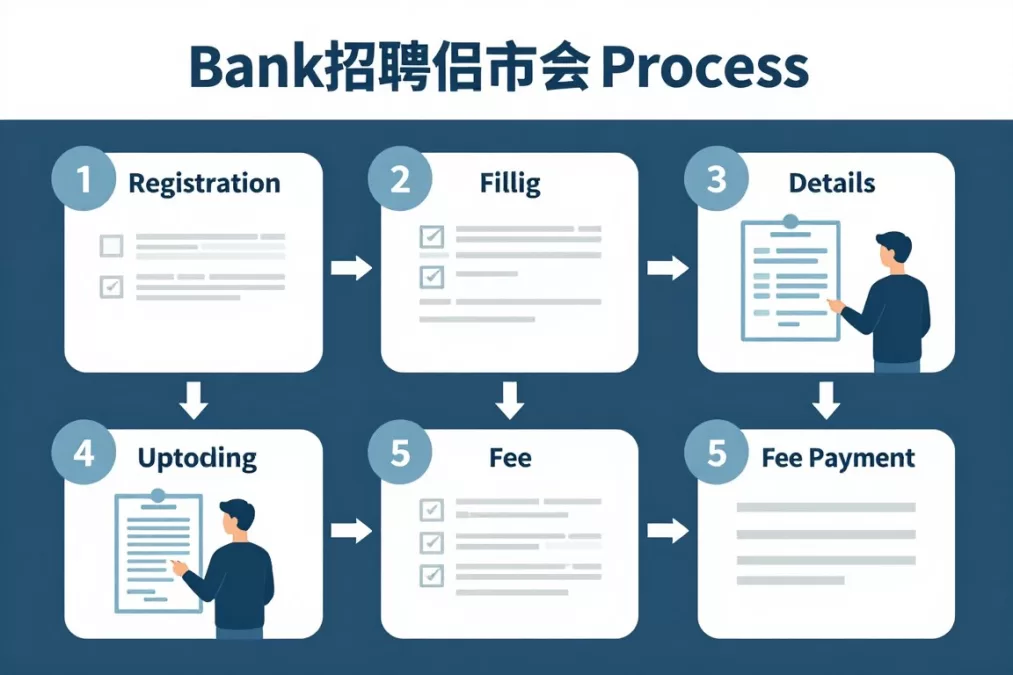
The application process involves registration, filling personal and educational details, uploading documents, and fee payment. Candidates should keep scanned copies of photograph, signature, and relevant certificates ready before starting the application.
Application fees vary by position and candidate category. General and OBC candidates typically pay higher fees compared to SC/ST/PwD candidates who receive fee concessions or exemptions. Payment can be made through debit card, credit card, or net banking.
Important Documents Required
Candidates must upload clear, legible scanned documents during online application. The photograph should be recent passport size with face clearly visible. Signature must be signed on white paper with black ink and scanned clearly.
Educational certificates including mark sheets for all semesters or years must be readily available. Caste and category certificates should be from competent authorities as per government guidelines. PwD candidates must possess valid disability certificates.
Experience certificates are required for positions demanding prior work experience. These must be on company letterheads with proper designation, joining and relieving dates, and authorized signatures. Self-attested copies are accepted during application, but originals are verified during document verification.
Mandatory Documents
- Recent passport size photograph
- Scanned signature on white paper
- 10th standard mark sheet and certificate
- 12th standard mark sheet and certificate
- Graduation mark sheets (all semesters/years)
- Degree certificate or provisional certificate
- Valid photo identity proof (Aadhar/PAN/Voter ID/Passport)
- Category certificate if applicable
Additional Documents (If Applicable)
- Post-graduation certificates and mark sheets
- Professional qualification certificates
- Work experience certificates
- Domicile certificate for state-specific positions
- Discharge certificate for ex-servicemen
- Disability certificate for PwD candidates
- Non-creamy layer certificate for OBC candidates
- Language proficiency certificates
Application Tips: Complete applications well before the deadline to avoid technical issues. Keep application registration number and password safe for future reference. Take printout of the submitted application form for your records. Ensure all uploaded documents meet specified size and format requirements.
Comprehensive Exam Patterns and Syllabus Details
Understanding exam patterns and syllabus thoroughly improves preparation efficiency. Bank examinations follow structured patterns with defined sections, time limits, and marking schemes. Familiarity with these details helps candidates allocate preparation time effectively across topics.
Common Sections Across Bank Exams
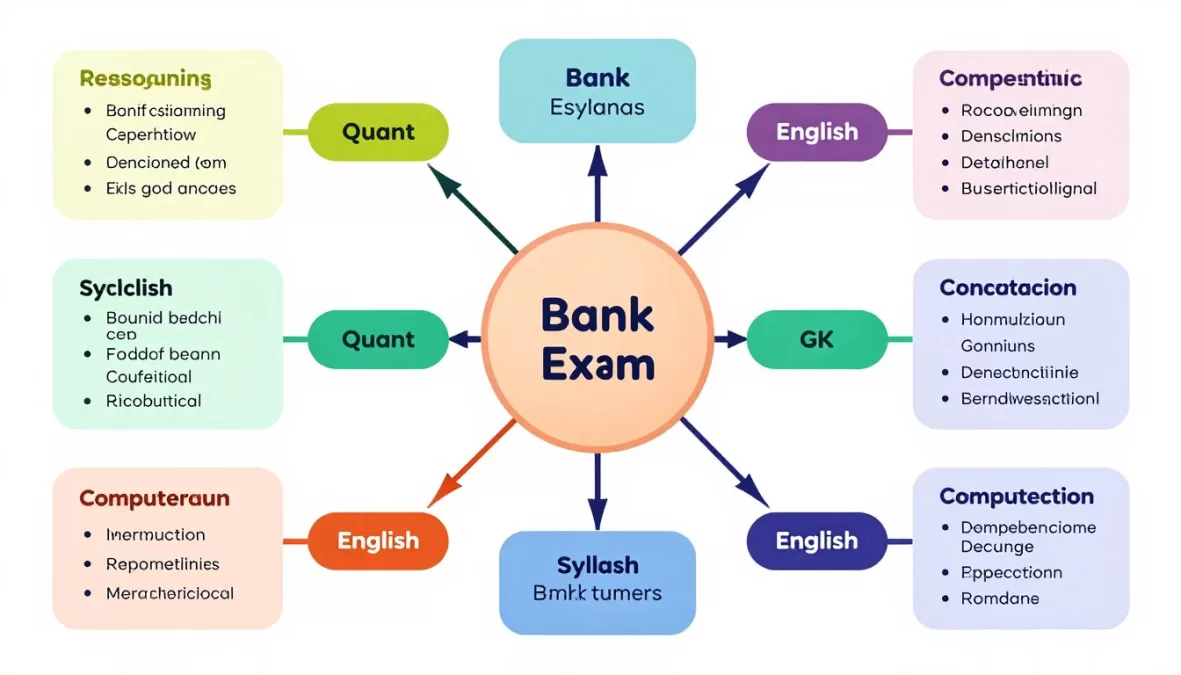
Most bank examinations include reasoning ability, quantitative aptitude, English language, general awareness, and computer knowledge sections. Each section tests specific skills relevant to banking operations. The weightage and difficulty level vary between preliminary and main examinations.
Reasoning ability questions assess logical thinking and problem-solving skills. Topics include puzzles, seating arrangements, syllogisms, inequalities, and blood relations. This section requires regular practice to improve speed and accuracy.
Quantitative aptitude covers numerical ability and data interpretation. Important topics include number systems, percentages, profit and loss, time and work, data interpretation, and simplification. Strong mathematical fundamentals and shortcut techniques help tackle this section efficiently.
English Language Section
The English language section evaluates reading comprehension, grammar, and vocabulary. Questions include reading comprehension passages, error spotting, sentence improvement, cloze tests, and para jumbles. Regular reading of quality newspapers and magazines strengthens this section.
Descriptive English papers in main examinations test essay writing and letter writing skills. Essays typically revolve around current affairs, banking, economic, or social topics. Letter writing includes both formal and informal formats relevant to banking contexts.
General Awareness and Computer Knowledge
General awareness questions focus heavily on banking awareness, current affairs, and static GK. Candidates must stay updated with economic policies, government schemes, banking terminologies, and major national-international events. The last 6 months’ current affairs receive maximum coverage.
Computer knowledge sections test basic computer fundamentals, networking concepts, internet, MS Office applications, and banking technology. Questions are generally straightforward and scoring. Regular revision of basic concepts ensures good performance.
Reasoning Ability Topics
- Puzzles and Seating Arrangements
- Syllogisms and Statements
- Blood Relations
- Direction Sense
- Coding-Decoding
- Inequalities
- Input-Output
- Data Sufficiency
Quantitative Aptitude Topics
- Number Systems
- Simplification/Approximation
- Percentage and Averages
- Profit, Loss and Discount
- Time and Work
- Time, Speed and Distance
- Data Interpretation
- Quadratic Equations
English Language Topics
- Reading Comprehension
- Error Spotting
- Sentence Improvement
- Cloze Test
- Para Jumbles
- Vocabulary
- Phrase Replacement
- Active-Passive Voice
Sectional Time Limits and Negative Marking
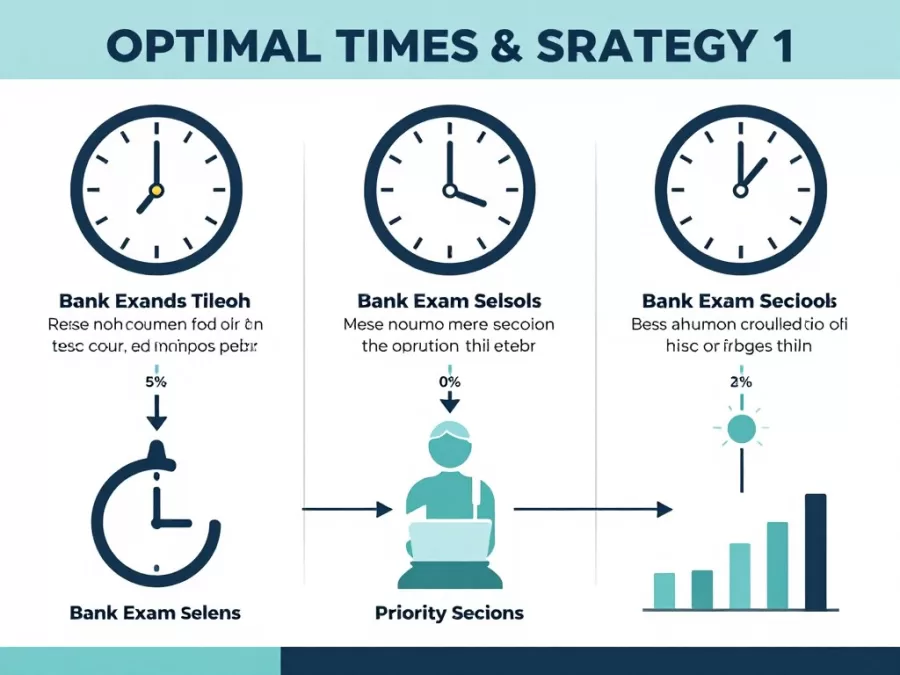
Preliminary examinations usually have sectional time limits, meaning candidates must attempt each section within allocated time. This prevents candidates from spending excessive time on one section at the expense of others. Time management becomes crucial under this format.
Main examinations may or may not have sectional timings depending on the recruiting organization. However, separate cut-offs exist for each section. Candidates must score minimum qualifying marks in every section to clear the examination.
Most bank exams follow negative marking of 0.25 marks per wrong answer. Some exams deduct 0.50 marks for incorrect responses. Understanding the penalty structure helps candidates decide when to attempt questions and when to skip them strategically.
Descriptive Paper Components
Descriptive papers in PO and SO examinations assess writing skills through essays and letters. Essay topics may be abstract, social, economic, or banking-related. Candidates should practice writing structured essays with clear introduction, body paragraphs, and conclusion.
Letter writing includes business correspondence like letters to bank manager, complaint letters, or formal requests. Understanding proper letter format, tone, and business communication etiquette is essential. Precision writing is also tested through precis writing in some examinations.
Preparation Strategy: Attempt at least 50 full-length mock tests before appearing for actual examination. Analyze each test thoroughly to identify weak areas. Focus more on accuracy than speed initially, as speed develops naturally with practice. Review incorrect answers to understand concepts rather than just checking scores.
Effective Preparation Strategies for Bank Exams 2026

Systematic preparation significantly improves success probability in competitive bank examinations. With lakhs of candidates competing for limited vacancies, strategic preparation makes the difference between selection and disappointment. Understanding how to prepare efficiently saves time and effort.
Creating a Realistic Study Schedule
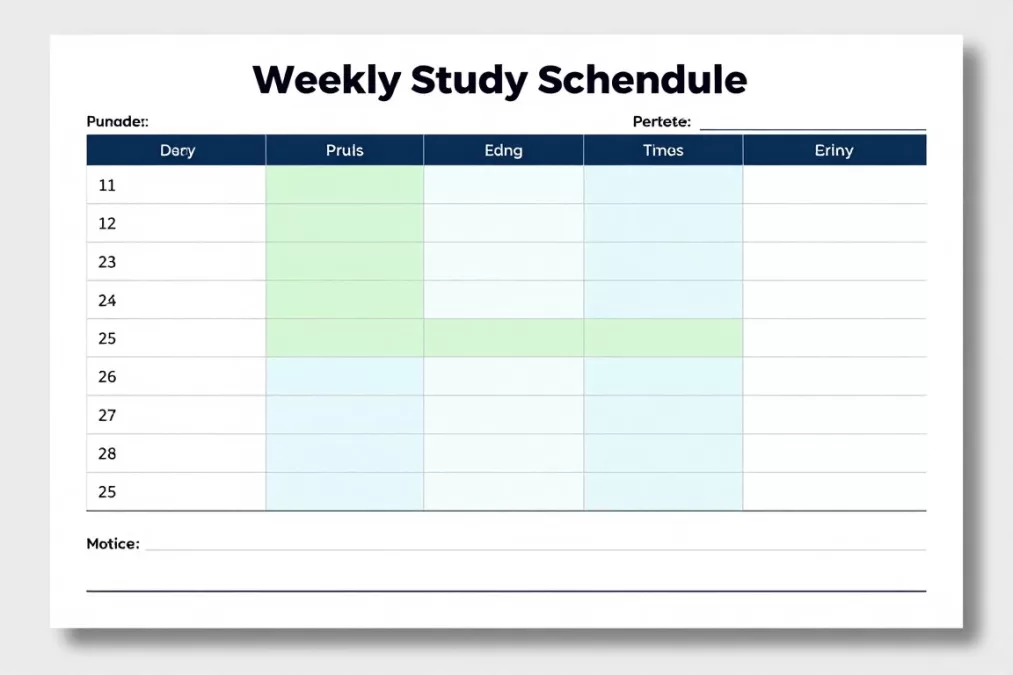
Begin preparation at least 6 months before expected exam dates. Allocate daily study hours based on your other commitments. Consistency matters more than intensive sporadic study sessions. Divide syllabus into weekly targets to track progress systematically.
Dedicate specific time slots for each subject based on your strengths and weaknesses. Spend more time on weaker areas while maintaining proficiency in strong subjects. Include daily revision sessions to reinforce learned concepts. Weekend mock tests help assess preparation levels regularly.
Balance subject preparation with current affairs reading. Dedicate 30-45 minutes daily to newspapers focusing on economic and banking news. Maintain monthly current affairs notes for quick revision. This consistent effort builds strong general awareness gradually.
Subject-Wise Preparation Approach
For quantitative aptitude, master fundamental concepts before attempting complex problems. Learn shortcut techniques and Vedic math tricks to improve speed. Practice data interpretation sets daily as they carry significant weightage and are scoring if practiced well.
Reasoning ability requires pattern recognition skills developed through extensive practice. Start with basic level puzzles and progressively increase difficulty. Time yourself while solving to build speed. Analyze different solving approaches for complex seating arrangements.
English preparation involves reading comprehension practice and grammar rule revision. Read editorials from quality newspapers to improve comprehension speed and vocabulary simultaneously. Practice error spotting and sentence improvement questions from previous papers.
Monthly Preparation Milestones
| Month | Focus Areas | Target Achievement |
| Month 1-2 | Concept building across all subjects | Complete syllabus coverage |
| Month 3-4 | Topic-wise practice and speed building | 50+ topic tests attempted |
| Month 5 | Full-length mock tests and analysis | 20+ mocks with improvement |
| Month 6 | Revision and exam strategy refinement | Consistent scoring in mocks |
Utilizing Online Resources and Mock Tests
Numerous online platforms offer quality preparation resources for bank exams. YouTube channels provide free video lectures on various topics. Banking awareness apps deliver daily current affairs updates. Choose platforms wisely based on content quality and user reviews.
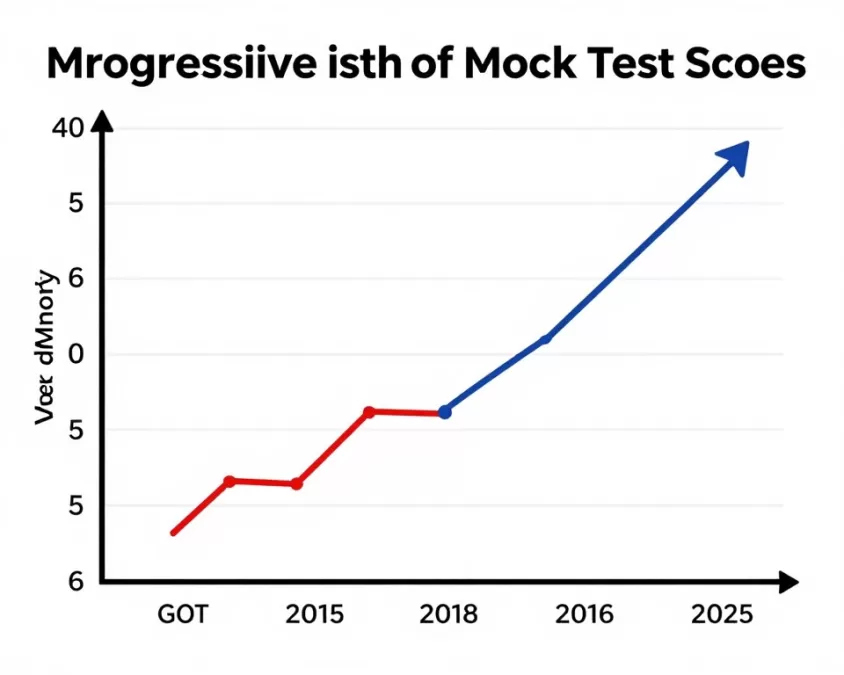
Mock tests are invaluable for exam preparation. They simulate actual exam conditions and help identify preparation gaps. Attempt mocks regularly from reputed test series providers. Analyze each test thoroughly to understand mistakes and improve weak areas.
Join online study groups or forums where aspirants discuss preparation strategies and share resources. However, limit social media time to avoid distraction. Focus on quality study rather than comparison with others’ preparation levels.

Revision Techniques That Work
Regular revision prevents forgetting learned concepts. Create concise notes during initial preparation for quick revision later. Formula sheets for quantitative aptitude and grammar rule summaries for English help during last-minute revision.
Use flashcards for vocabulary building and current affairs retention. Space repetition technique works excellently for remembering important facts and dates. Review these flashcards during travel time or breaks to maximize learning efficiency.
One week before examination, focus exclusively on revision rather than learning new topics. Attempt previous year papers under timed conditions. Solve at least 2-3 mock tests in this final week to maintain exam temperament.
Managing Exam Day Stress
Adequate sleep before examination day improves concentration and recall ability. Avoid last-minute cramming that increases anxiety without substantial benefit. Trust your preparation and approach the exam with confidence.
Reach the exam center well before reporting time to avoid last-minute rush. Carry all required documents in a transparent folder. Keep the exam call letter, valid ID proof, and other essentials organized.
During examination, read instructions carefully before starting. Begin with your strongest section to build confidence. Manage time strictly and avoid spending too much time on difficult questions. Mark answers carefully in OMR sheets.
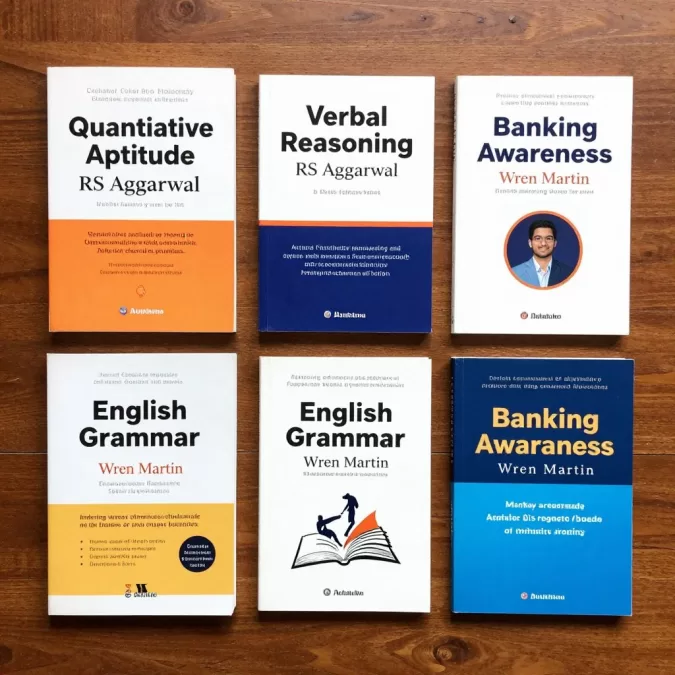
Recommended Books
Standard reference books provide comprehensive coverage. RS Aggarwal for Quantitative Aptitude, Verbal and Non-Verbal Reasoning. Previous year question banks from major publishers. Banking awareness monthly magazines.
Online Test Series
Quality mock test platforms simulate actual exam interface. Features include detailed performance analysis, comparison with toppers, and adaptive tests. Many offer free trials before purchase.
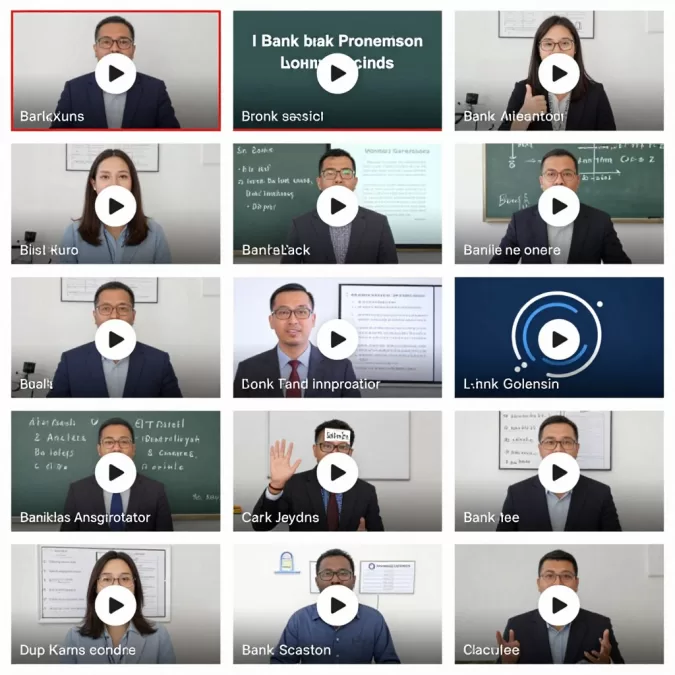
Video Lectures
Free YouTube channels by expert educators explain complex topics simply. Daily live classes cover current affairs. Video solutions for previous year papers help understand solving approaches.
Download Complete Preparation Roadmap
Get our comprehensive 6-month preparation guide with subject-wise schedules, important topics list, shortcut techniques, and exam strategies. This free resource has helped thousands of candidates crack bank exams successfully.
Post-Examination Process and Final Selection

Understanding the process after examination helps candidates prepare for subsequent stages. The journey from exam completion to final appointment involves several important steps. Being aware of timelines and requirements ensures smooth progression through each stage.
Result Declaration and Scorecard
Examination results are typically declared 4-6 weeks after the exam date. Results appear on the official website of the conducting body. Candidates can check results using their registration number and password or date of birth.
The scorecard shows section-wise scores, total marks obtained, and cut-off marks. Candidates provisionally selected for next stages receive separate intimation through email or website announcements. The list of candidates provisionally selected is published as PDF downloads.
Cut-off marks vary across categories and states. General category candidates need higher scores compared to reserved category candidates. State-wise cut-offs depend on the number of vacancies and competition level in each region.
Interview Preparation and Process
Candidates selected for interview stages receive call letters approximately 3-4 weeks before interview dates. The call letter contains interview schedule, reporting time, venue address, and list of documents to carry. Interview panels typically consist of 3-5 senior bank officials.
Interview duration ranges from 10-20 minutes per candidate. Questions cover personal background, educational qualifications, work experience, banking awareness, current affairs, and situational judgment. Dress formally and maintain confident body language throughout.
Prepare thoroughly about the bank’s history, recent initiatives, and vision. Current banking sector challenges like NPA management, digital banking, and financial inclusion are popular interview topics. Frame clear, concise answers demonstrating your understanding and suitability for banking roles.
Interview Do’s
- Arrive at least 30 minutes before scheduled time
- Dress formally in business attire
- Greet panel members respectfully
- Maintain eye contact and confident posture
- Answer questions clearly and honestly
- Show enthusiasm for banking career
- Ask intelligent questions if opportunity arises
- Thank the panel before leaving
Interview Don’ts
- Don’t arrive late or unprepared
- Avoid casual or inappropriate clothing
- Don’t interrupt panel members
- Avoid nervous gestures like fidgeting
- Don’t give vague or rambling answers
- Avoid negative comments about previous employers
- Don’t argue with interview panel
- Avoid showing arrogance or over-confidence
Document Verification Stage
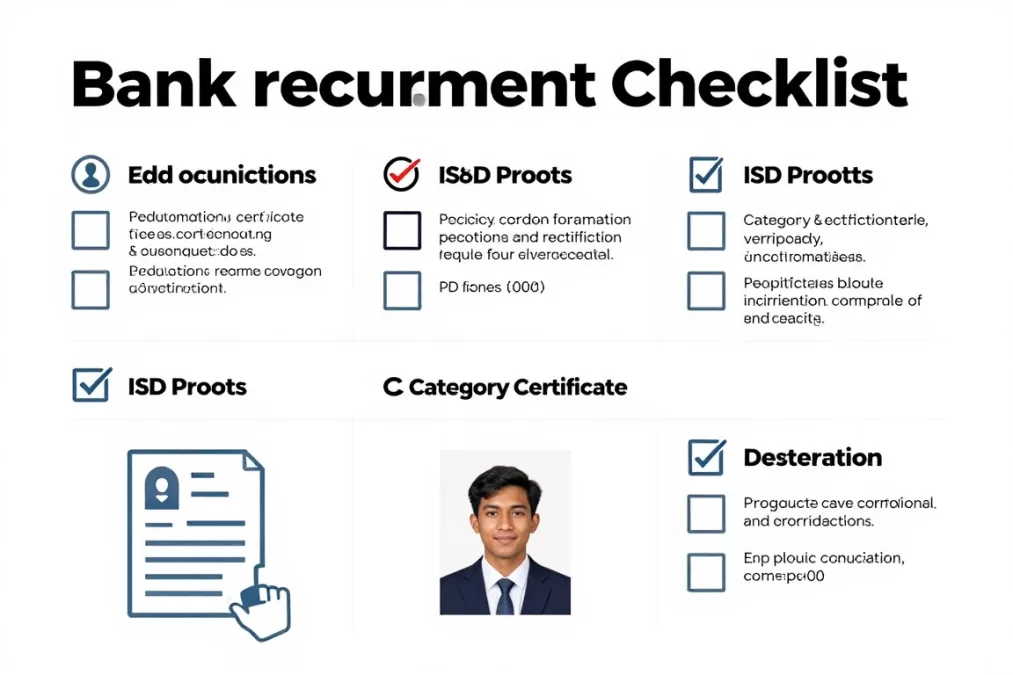
Document verification is conducted for candidates provisionally selected after interview or written exam depending on position. Candidates must bring original certificates along with self-attested copies. The verification process checks authenticity of all claims made during application.
Required documents include educational certificates, category certificates, experience certificates, and identity proofs. Any discrepancy between submitted application and original documents leads to disqualification. Candidates should organize documents methodically before verification.
Medical examination is also part of final selection for many bank positions. Candidates undergo vision tests, blood tests, and general physical examination. Specific medical standards must be met as defined in recruitment notifications.
Final Result and Joining Process
The final result incorporating all selection stages is declared within 2-3 months after interviews. Selected candidates receive appointment letters via email or registered post. The letter mentions joining date, place of posting, designation, and initial salary details.
Candidates must report to assigned locations on specified dates with required documents. The joining process includes completion of service agreements, bank account opening, and initial training schedules. Background verification is conducted by the bank before confirming appointment.
Training periods vary from 2 weeks to 1 year depending on position. Probationary officers undergo comprehensive training covering banking operations, products, regulations, and soft skills. During training, candidates receive stipends or partial salaries as specified.
What to Expect After Selection
New joiners undergo orientation programs familiarizing them with bank culture, policies, and career paths. Initial postings may be at any branch within the assigned circle or state. Transfer policies vary by bank, with public sector banks having stricter transfer rules.
Career progression happens through promotions based on performance and experience. Banks conduct internal examinations for promotions to higher grades. Continuous learning and adaptation to technological changes ensure long-term career success in banking.
Banking careers offer stability, respect, and opportunities to serve society through financial inclusion. The journey from candidate to officer is challenging but rewarding for those who persist with dedication and smart preparation.
Frequently Asked Questions About Bank Recruitment 2026

When will Bank Recruitment 2026 notifications be released?
Bank recruitment notifications for 2026 will be released throughout the year. IBPS Clerk notifications typically appear in August, IBPS PO in September, and RBI Grade B around February. SBI releases multiple notifications for different positions at various times. Candidates should regularly check official bank websites and subscribe to job alert services to stay updated about notification releases.
What is the expected number of vacancies for Bank Recruitment 2026?
Based on previous trends, approximately 40,000-50,000 vacancies are expected across all banking recruitments in 2026. This includes SBI (8,000-10,000), IBPS Clerk (7,000-8,000), IBPS PO (4,000-5,000), RBI (1,000-1,500), and other regional and specialized banks. However, exact numbers will be confirmed in official recruitment notifications as per banking sector requirements and government policies.
Can final year students apply for bank recruitment?
Yes, candidates appearing in final year graduation examinations can apply for most bank recruitment drives. However, they must complete their degree and possess the original degree certificate before document verification stage. Provisional certificates are not accepted during verification. Candidates should carefully read eligibility criteria in each notification as requirements may vary across banks and positions.
Is there negative marking in bank exams?
Yes, most bank examinations follow negative marking for incorrect answers. Typically, 0.25 marks are deducted for each wrong answer in objective questions. Some specialist exams may have 0.50 marks penalty. No marks are deducted for unattempted questions. Understanding negative marking helps candidates develop strategic approaches for attempting questions, focusing on accuracy rather than just speed.
How many attempts are allowed for bank exams?
There is no limit on the number of attempts for bank examinations. Candidates can apply every year as long as they meet the age eligibility criteria. However, the upper age limit restriction means candidates have limited years to attempt. For example, if PO recruitment has an age limit of 21-30 years, candidates effectively have multiple attempts within this age range. Age relaxation for reserved categories provides additional attempt opportunities.
What is the salary structure for bank officers and clerks?
Bank clerk salaries in public sector banks start around Rs. 2.5-3 lakh annually (in-hand approximately Rs. 20,000-25,000 monthly). Probationary officer positions offer starting packages of Rs. 5-6 lakh annually (in-hand approximately Rs. 40,000-45,000 monthly). These figures include basic pay, dearness allowance, and house rent allowance. Additional benefits include medical insurance, pension, gratuity, and performance-based incentives. Specialist officers command higher packages based on their qualifications and experience.
Is coaching necessary for bank exam preparation?
Coaching is not mandatory for bank exam success. Many candidates clear exams through self-study using quality books, online resources, and consistent practice. However, coaching institutes provide structured learning, expert guidance, and competitive environment. Your decision should depend on self-discipline levels, access to resources, and learning preferences. Online courses offer flexible alternatives to traditional classroom coaching at lower costs.
What happens after I qualify the bank exam?
After qualifying the written examination, candidates provisionally selected proceed to interview stage (for PO and SO positions) or directly to document verification (for Clerk positions). Following successful interview and verification, final merit lists are published. Selected candidates receive appointment letters mentioning joining date and place. After joining, probationary officers undergo 6-12 months training while clerks receive 2-4 weeks orientation training before beginning regular duties.
Can I apply to multiple bank recruitments simultaneously?
Yes, candidates can apply to multiple bank recruitment drives simultaneously if they meet eligibility criteria. There is no restriction on applying to SBI, IBPS, RBI, and other bank recruitments in the same year. However, manage your preparation effectively to perform well across different exams. Some exam dates may clash, requiring you to prioritize. Applying to multiple banks increases selection chances but demands disciplined preparation across all.
How long does the entire recruitment process take?
The complete recruitment process from notification release to final joining typically spans 8-12 months. Preliminary exams are conducted 2-3 months after notification. Main exams follow 2-3 months after prelims. Interview stages take another 2-3 months. Document verification, medical tests, and final result declaration add another 2-3 months. After selection, joining may occur immediately or within 1-2 months based on training schedules and bank requirements.
Starting Your Bank Recruitment 2026 Journey

Bank Recruitment 2026 presents exceptional career opportunities for aspirants across India. The banking sector continues to expand with digital transformation and financial inclusion initiatives creating numerous positions. Understanding the recruitment landscape, eligibility criteria, and preparation strategies positions candidates favorably in this competitive space.
Success in bank examinations demands consistent effort, strategic preparation, and staying updated with notifications. Start early, prepare systematically across all subjects, and practice extensively through mock tests. Remember that thousands of candidates provisionally selected annually demonstrate that success is achievable with dedication.
The journey from candidate to banking professional is challenging but immensely rewarding. Banking careers offer stability, growth opportunities, and the satisfaction of contributing to financial inclusion and economic development. Whether you aspire to join as clerk, probationary officer, or specialist officer, Bank Recruitment 2026 offers pathways aligned with your qualifications and aspirations.
Take the first step today by subscribing to official notifications, gathering study resources, and creating your preparation roadmap. Your dream banking career begins with informed decisions and consistent preparation. Stay motivated, remain focused, and approach each exam with confidence built through thorough preparation.
Get Personalized Bank Exam Guidance
Connect with our expert counselors to create a customized preparation strategy based on your qualifications, target position, and available preparation time. We provide free guidance calls to help you make informed decisions about your banking career path.
Important Reminder: Always verify information from official bank websites. Save official website links for quick access. Subscribe to email alerts from IBPS, SBI, RBI, and other relevant banks. Bookmark career pages and check them regularly. Authentic information from official sources prevents misinformation and ensures you never miss important updates about Bank Recruitment 2026.