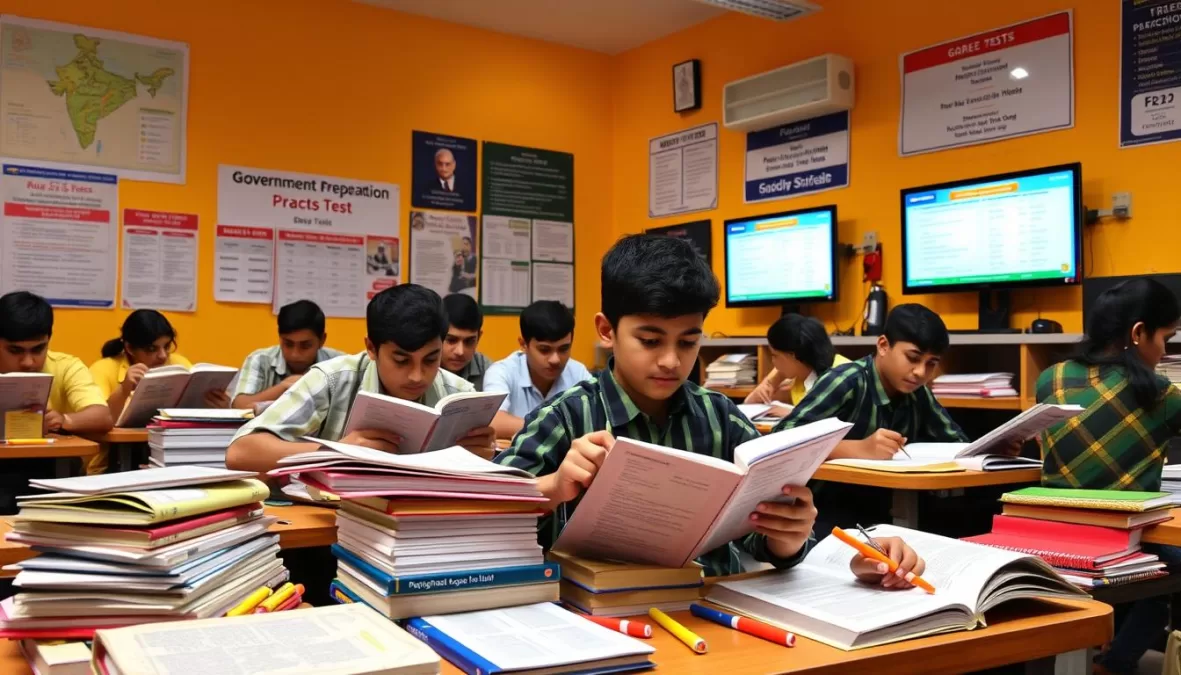
Securing a stable career through public-sector roles remains a top priority for millions of aspirants. With prestigious positions like UPSC IAS, IBPS PO, and SSC CGL attracting widespread attention, staying organized is key to success. This guide simplifies your journey by offering critical details about application timelines, role specifications, and preparation strategies.
Timely information transforms how candidates approach their goals. Knowing exact schedules for high-demand roles helps prioritize study plans and avoid missed deadlines. Many overlook the advantage of early preparation, but consistent updates empower smarter decisions.
Public-sector jobs continue growing in popularity due to their security and benefits. Whether you’re targeting central agencies or state-level positions, structured planning separates top performers from the crowd. We’ll help you track announcements, understand eligibility criteria, and build effective routines.
Key Takeaways
- Track application deadlines and exam calendars to avoid missing opportunities
- Focus on major competitive tests like IAS, IBPS PO, and SSC CGL for central roles
- Use centralized resources to compare vacancies and role requirements
- Early preparation boosts success rates in highly contested recruitment cycles
- Align study plans with official syllabi and recent pattern changes
Overview of Government Exams 2025 in India
Aspiring professionals across India are increasingly drawn to structured recruitment pathways for long-term growth. These processes evaluate skills through standardized methods, opening doors to roles that influence national development.
Understanding the Scope and Significance
Public-sector careers offer stability and societal impact. Assessments filter candidates based on expertise, ethics, and problem-solving abilities. This ensures only capable individuals handle critical responsibilities.
An Introduction to Various Government Sectors
Opportunities span multiple fields. Civil services focus on administration, while banking roles require financial acumen. Defense positions prioritize leadership and physical fitness.
| Sector | Popular Roles | Selection Criteria |
|---|---|---|
| Civil Services | IAS, IPS | Written exam + Interview |
| Banking | PO, Clerk | Aptitude test + Skill assessment |
| Defense | NDA, CDS | Written test + Physical evaluation |
Technical fields like railways and engineering departments test specialized knowledge. Each sector tailors its exams to match role-specific demands, creating diverse career paths for applicants.
Why Government Exams are a Popular Choice Among Aspirants
Young professionals across the country are choosing public-sector careers like never before. With private companies facing economic turbulence, these roles provide unmatched stability. Over 200 applicants compete for a single vacancy annually – a clear sign of their growing appeal.

Benefits of Securing a Government Job
Public-sector positions offer advantages that few private employers can match. Let’s break down why aspirants prioritize these roles:
| Feature | Government Jobs | Private Sector |
|---|---|---|
| Job Security | Lifetime stability | Market-dependent |
| Work Hours | Fixed schedules | Overtime common |
| Retirement Plans | Guaranteed pensions | Variable policies |
Healthcare coverage and housing allowances reduce living costs significantly. Paid leaves and festival bonuses add financial flexibility. Many roles include subsidized education for employees’ families.
Work-life balance shines here. Fixed office timings let professionals pursue hobbies or side projects. Annual promotions and skill development programs ensure career growth matches personal goals.
Respect in society remains a key motivator. Public servants often influence community development directly. This social impact, combined with retirement benefits, creates lasting fulfillment beyond salary figures.
Key Exam Categories: Civil, Banking & More
Navigating public-sector careers starts with understanding major recruitment pathways. Different sectors demand unique skill sets, creating varied opportunities for candidates. Let’s explore three primary domains shaping India’s workforce.
Civil Services, SSC, and Defence Opportunities
The civil services remain the crown jewel of public-sector careers. Conducted by UPSC, these exams select officers for elite roles like IAS and IPS. Candidates undergo a rigorous three-stage process testing analytical skills and leadership potential.
For central department roles, the Staff Selection Commission (SSC) organizes annual tests. Positions like CGL and CHSL offer stable careers in ministries and administrative offices. Defence recruitment focuses on physical fitness and strategic thinking through exams like CAPF and CDS.
| Sector | Key Exams | Core Roles |
|---|---|---|
| Civil Services | UPSC CSE | IAS, IPS, IFS |
| Banking | IBPS PO | Probationary Officer |
| Defence | CAPF | Assistant Commandant |
Specialized Fields for Aspiring Candidates
Technical enthusiasts find tailored opportunities in engineering and medical services. Exams like ESE (Engineering Services) require specific degrees but offer high-growth roles. Public sector banks recruit through IBPS RRB and SBI Clerk tests for financial management positions.
“Matching your qualifications with the right exam category doubles your success chances,” notes career counselor Priya Menon.
State commissions conduct regional-level tests for localized roles. From tax inspectors to forest officers, these positions let candidates serve their home communities effectively. Always verify eligibility criteria before choosing your path.
Detailed List of Upcoming Government Exams 2025 India
Planning your career path? Knowing exact timelines for major recruitment drives helps you stay ahead. Let’s break down key opportunities from top agencies to organize your year effectively.
The Staff Selection Commission leads with four major tests. Mark your calendar for these critical windows:
| Exam | Application Period | Test Dates |
|---|---|---|
| SSC CGL | June 9 – July 4 | August 13-30 |
| SSC CPO | June 16 – July 7 | September 1-6 |
| SSC CHSL | June 23 – July 18 | September 8-18 |
| SSC MTS | June 26 – July 24 | September 20 – October 25 |
Banking aspirants get three prime chances through IBPS. The RRB PO prelims kick off on July 27, followed by mains on September 13. Those targeting clerk roles should prep for December prelims and February 2026 mains.
“Synchronizing your study phases with official schedules prevents last-minute stress,” advises career coach Rohan Kapoor.
Police service hopefuls can apply for SSC CPO from mid-June. Multi-tasking staff recruitment runs parallel, with tests stretching into October. Always cross-verify dates on official portals as timelines may shift slightly.
Eligibility Criteria and Age Limits for Various Posts
Meeting requirements forms the foundation of every successful application. Whether you’re eyeing administrative roles or technical positions, knowing the rules prevents last-minute disappointments. Let’s break down what you need to qualify.
Educational Qualifications Explained
Academic needs vary widely across sectors. Entry-level positions like SSC MTS require 10th-grade completion, while UPSC demands graduation from accredited institutions. Banking roles often add percentage benchmarks – RBI Grade B needs 60% marks for general candidates.
| Sector | Minimum Education | Special Notes |
|---|---|---|
| Civil Services | Bachelor’s Degree | No percentage mandate |
| Banking (PO) | Graduation + 55% | Relaxation for SC/ST |
| Defense (NDA) | 12th Pass | Physics/Math streams preferred |
Higher-level technical posts like engineering services require specialized degrees. Many roles now prioritize digital literacy – basic computer certificates strengthen your profile.
Age and Additional Requirement Guidelines
Most recruitment drives set boundaries between 18-32 years. Reserved categories enjoy relaxations up to 5 years. Police and defense roles add physical benchmarks – men need 157cm height, while women require 152cm.
“Always cross-verify category-specific concessions – they differ across states and departments,” advises career mentor Anika Reddy.
Nationality rules apply too. Some positions demand state residency proofs. Language skills in regional dialects boost chances for localized postings. Keep documents ready before hitting ‘submit’ on your application.
Exam Syllabus and Preparation Strategies
Understanding exam patterns gives candidates a strategic edge. Four core areas form the foundation of most assessments, while specialized fields demand focused attention. Let’s explore how to balance both for maximum efficiency.

Core Subjects and Common Areas
Every aspirant must master these universal sections:
| Core Subject | Skills Tested | Weightage |
|---|---|---|
| General Awareness | Current events & policies | 20-25% |
| Quantitative Aptitude | Math problem-solving | 25-30% |
| Reasoning | Logical analysis | 20-25% |
| English Language | Grammar & comprehension | 15-20% |
Allocate 60% of study time to these areas. Daily news analysis sharpens awareness skills. Practice mental math tricks to speed up calculations.
Specialized Subjects for Targeted Exams
Technical roles require domain expertise. Banking assessments test financial management concepts through case studies. Forestry positions evaluate ecological knowledge with scenario-based questions.
“Tailoring your study plan to exam-specific demands is half the battle won,” says educator Neha Sharma.
Engineering services prioritize technical diagrams and code interpretation. Use previous years’ papers to identify recurring themes. Create separate notes for specialized topics to streamline revision.
Important Exam Dates and Notification Alerts
Staying informed about key schedules separates prepared candidates from the crowd. Official portals like UPSC and IBPS release critical updates through notifications containing application windows and test calendars. Missing these announcements could mean losing months of preparation.
Smart Tracking for Busy Aspirants
Bookmark essential websites and enable push notifications. Platforms like SSC and banking boards often share date changes through mobile alerts. Combine this with weekly checks on their “latest updates” section.
Third-party education sites aggregate multiple calendars into one dashboard. These tools help track admit card releases and result dates across sectors. Some even send SMS reminders for deadlines.
Create a personalized timetable using official announcements. Note pattern changes early – many exams now include digital skill assessments. Pair this strategy with daily news scans to catch sudden policy shifts affecting eligibility.
Pro tip: Follow verified social media handles for real-time updates. Quick reactions to sudden notifications often determine who secures preferred exam centers.