The landscape of work in India is undergoing a remarkable transformation. As we approach 2025, remote and hybrid job opportunities are no longer just temporary arrangements but have become permanent fixtures in the Indian job market. This shift presents exciting possibilities for professionals seeking flexibility, better work-life balance, and access to global opportunities without relocation.
Whether you’re a seasoned professional looking to transition to remote work or a fresh graduate entering the job market, understanding the evolving remote work ecosystem in India is crucial. This guide explores the most promising remote and hybrid job opportunities in India for 2025, the skills you’ll need to succeed, and practical strategies to secure these positions.
The Evolving Landscape of Remote & Hybrid Work in India
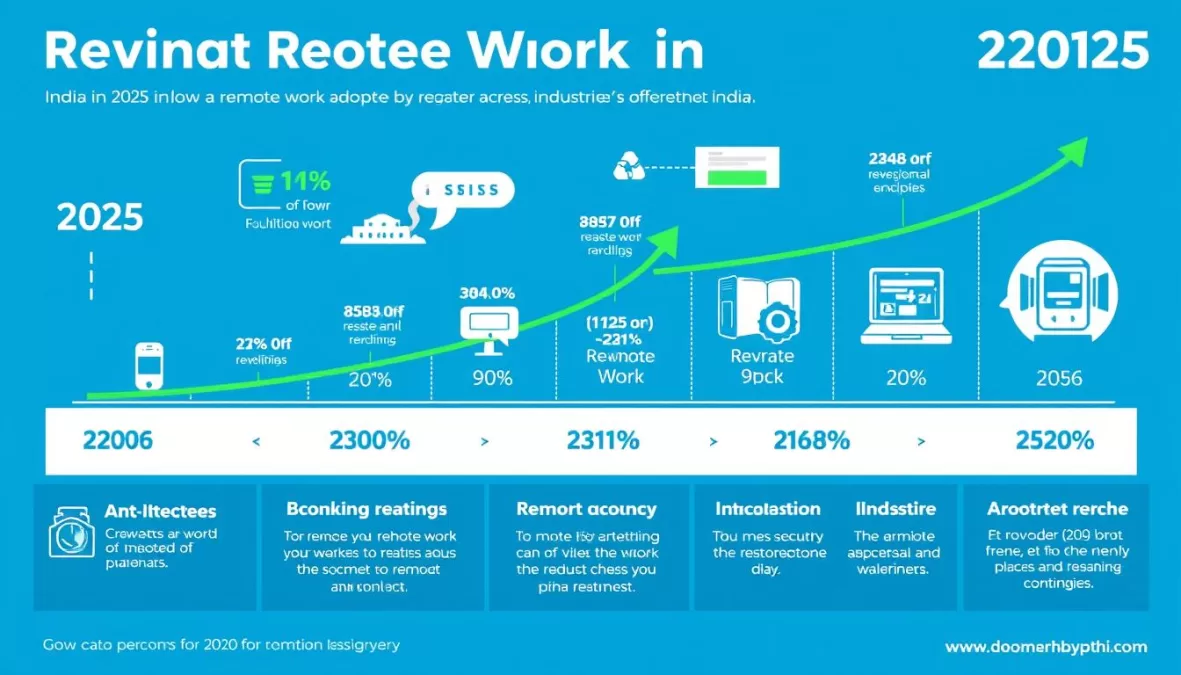
The remote work revolution in India has been accelerated by several key factors that continue to shape the job market heading into 2025.
Key Drivers of Remote Work Growth
- Digital Transformation: Rapid digitalization across industries has made remote collaboration seamless. Cloud computing, project management tools, and communication platforms have matured, enabling teams to work effectively regardless of location.
- Cost Efficiency: Companies are recognizing significant cost savings on office space, utilities, and infrastructure. Many organizations are reinvesting these savings into better technology and employee benefits.
- Talent Access: Remote work has expanded the talent pool beyond geographical boundaries. Companies can now hire the best talent from across India without relocation constraints.
- Employee Preferences: Workers increasingly value flexibility and work-life balance. A 2023 survey found that 78% of Indian professionals prefer jobs offering remote or hybrid options.
- Environmental Concerns: Reduced commuting contributes to lower carbon emissions, aligning with corporate sustainability goals and environmental consciousness.
Current Adoption Rates Across Industries
The adoption of remote and hybrid work models varies significantly across sectors. Information Technology leads with over 85% of companies offering flexible arrangements, followed by digital marketing (76%), education technology (72%), and financial services (65%). Traditional sectors like manufacturing and healthcare are also gradually implementing hybrid models for applicable roles.
Assess Your Remote Work Readiness
Wondering if you have what it takes to thrive in a remote environment? Take this quick assessment to evaluate your skills, work style, and readiness for remote opportunities.
Top Industries Offering Remote & Hybrid Jobs in India for 2025
Several industries are leading the charge in creating flexible work arrangements. Here’s a breakdown of the sectors offering the most promising remote and hybrid opportunities in India for 2025.

1. Information Technology & Software Development
The IT sector continues to be the frontrunner in remote work adoption, with an estimated 90% of companies offering permanent remote or hybrid arrangements by 2025.
In-Demand Remote IT Roles for 2025:
- Full-Stack Developers (₹8-25 LPA) – Building and maintaining web applications with expertise in both frontend and backend technologies.
- Cloud Engineers (₹12-30 LPA) – Specializing in AWS, Azure, or GCP to design and manage cloud infrastructure.
- AI/ML Engineers (₹15-35 LPA) – Developing machine learning models and AI solutions for business applications.
- DevOps Specialists (₹10-28 LPA) – Streamlining development processes and managing deployment pipelines.
- Cybersecurity Experts (₹12-40 LPA) – Protecting systems and data in increasingly distributed work environments.
2. Digital Marketing & Content Creation
As businesses strengthen their online presence, the demand for remote digital marketing professionals continues to grow exponentially.
Top Remote Digital Marketing Roles:
- SEO Specialists (₹5-15 LPA) – Optimizing websites and content for search engine visibility.
- Content Strategists (₹7-18 LPA) – Developing comprehensive content plans aligned with business goals.
- Social Media Managers (₹4-12 LPA) – Managing brand presence across social platforms.
- Performance Marketing Managers (₹8-20 LPA) – Running and optimizing paid campaigns across channels.
- Content Writers & Copywriters (₹4-15 LPA) – Creating engaging content for various platforms and purposes.
3. EdTech & Online Education
The education technology sector has seen unprecedented growth, creating numerous remote opportunities for educators and support professionals.
Growing EdTech Remote Positions:
- Online Instructors (₹5-15 LPA) – Teaching specialized courses through digital platforms.
- Curriculum Developers (₹6-18 LPA) – Creating engaging learning materials for online education.
- Education Counselors (₹4-10 LPA) – Guiding students through course selection and career planning.
- EdTech Product Managers (₹10-25 LPA) – Overseeing the development of educational platforms and tools.
- Learning Experience Designers (₹7-20 LPA) – Designing interactive and effective online learning experiences.
4. Healthcare & Telemedicine
The healthcare industry is increasingly adopting remote models, particularly in telemedicine, health tech, and administrative roles.
Remote Healthcare Opportunities:
- Telemedicine Consultants (₹10-40 LPA) – Providing virtual medical consultations to patients.
- Healthcare Data Analysts (₹7-18 LPA) – Analyzing medical data to improve patient outcomes.
- Medical Transcriptionists (₹3-8 LPA) – Converting voice recordings into written medical documents.
- Health Information Managers (₹6-15 LPA) – Managing patient records and ensuring data security.
- Medical Content Writers (₹5-12 LPA) – Creating accurate health-related content for various platforms.
5. Financial Services & FinTech
The financial sector has embraced digital transformation, creating numerous remote opportunities in traditional finance and innovative fintech roles.
Remote Finance Positions on the Rise:
- Financial Analysts (₹6-20 LPA) – Analyzing financial data and preparing reports remotely.
- Investment Advisors (₹8-25 LPA) – Providing virtual investment guidance to clients.
- FinTech Product Managers (₹12-30 LPA) – Developing digital financial products and services.
- Compliance Specialists (₹7-18 LPA) – Ensuring adherence to financial regulations in remote settings.
- Blockchain Developers (₹10-35 LPA) – Building decentralized financial applications and systems.
Essential Skills for Remote & Hybrid Jobs in 2025
Success in remote work environments requires a unique blend of technical expertise and soft skills. Here are the most critical skills to develop for remote and hybrid roles in India by 2025.

Technical Skills in High Demand
Digital Literacy & Tool Proficiency
Familiarity with collaboration tools like Slack, Microsoft Teams, Asana, and Trello has become non-negotiable. Additionally, cloud storage solutions (Google Drive, OneDrive), video conferencing platforms (Zoom, Google Meet), and document collaboration tools (Google Workspace, Microsoft 365) are essential for daily remote work.
Cybersecurity Awareness
With remote work comes increased security risks. Understanding basic security practices, such as using VPNs, recognizing phishing attempts, implementing strong password policies, and securing home networks, is increasingly valuable across all remote roles.
Data Analysis & Interpretation
The ability to work with data has become important across industries. Proficiency in tools like Excel, SQL, Power BI, or Tableau can significantly enhance your remote job prospects, allowing you to make data-driven decisions regardless of location.
Industry-Specific Technical Skills
Depending on your field, specialized technical skills remain crucial. For IT roles, programming languages (Python, JavaScript), cloud platforms (AWS, Azure), and development methodologies (Agile, DevOps) are in high demand for remote positions.
Essential Soft Skills for Remote Success
- Self-discipline & Time Management: The ability to structure your day, meet deadlines without supervision, and maintain productivity in a home environment is crucial.
- Communication Excellence: Clear written and verbal communication becomes even more important when working remotely. The ability to convey ideas concisely and effectively through digital channels is highly valued.
- Adaptability & Problem-solving: Remote workers must troubleshoot technical issues independently and adapt to changing circumstances without immediate in-person support.
- Emotional Intelligence: Understanding team dynamics and maintaining positive relationships through digital interactions requires heightened emotional awareness.
- Proactive Collaboration: Taking initiative in virtual team settings, sharing ideas, and actively participating in remote discussions demonstrates your value as a team member.
Upgrade Your Remote Work Skills
Ready to develop the skills employers are looking for in remote employees? These platforms offer courses specifically designed for remote work success.
How to Find Remote & Hybrid Jobs in India
Discovering legitimate remote and hybrid opportunities requires knowing where to look and how to effectively position yourself as a candidate. Here are the best platforms and strategies for finding flexible work arrangements in India for 2025.

Top Job Platforms for Remote Work in India
Specialized Remote Job Platforms
- FlexJobs – Curated remote jobs with verified listings
- We Work Remotely – Global remote opportunities
- Remote.co – Remote-only job board
- Working Nomads – Curated remote job listings
Indian Job Portals with Remote Filters
- Naukri.com – Largest Indian job portal with remote filters
- Indeed India – Comprehensive job listings with WFH options
- Internshala – Great for entry-level remote positions
- LinkedIn Jobs – Professional networking with remote job filters
Industry-Specific Platforms
- AngelList – Startup jobs with remote options
- Upwork/Freelancer – Freelance remote opportunities
- GitHub Jobs – Tech-focused remote positions
- DesignerUp – Remote design opportunities
Effective Networking Strategies for Remote Roles
Networking remains crucial for discovering unadvertised remote opportunities. Here’s how to build your professional network specifically for remote work:
- Join Virtual Communities: Participate in industry-specific Slack channels, Discord servers, and Facebook groups focused on remote work in your field.
- Attend Virtual Events: Webinars, online conferences, and virtual meetups provide opportunities to connect with remote-friendly companies.
- Leverage LinkedIn Strategically: Follow companies with remote policies, engage with their content, and connect with hiring managers and team members.
- Participate in Online Forums: Communities like Reddit’s r/remotework or r/digitalnomad can provide leads and advice specific to remote job hunting.
- Alumni Networks: Connect with alumni from your educational institutions who work remotely to gain insights and referrals.
Start Your Remote Job Search Today
Ready to find your ideal remote position? These platforms specialize in remote opportunities for Indian professionals.
Crafting a Winning Remote Job Application
Standing out in the competitive remote job market requires tailoring your application materials to highlight remote-specific skills and experiences. Here’s how to position yourself as an ideal remote candidate.

Optimizing Your Resume for Remote Positions
Highlight Remote-Relevant Skills
Prominently feature skills that demonstrate your ability to work independently and collaborate virtually. Include proficiency with remote collaboration tools, self-management capabilities, and digital communication expertise.
Pro Tip: Create a dedicated “Remote Work Skills” section in your resume that highlights tools you’re proficient with (Slack, Asana, Zoom) and remote-specific competencies (self-management, digital communication).
Showcase Remote Experience
Even if you haven’t held officially remote positions, emphasize any experience working across locations, managing distributed projects, or collaborating with international teams. For each role, highlight accomplishments achieved while working independently or with minimal supervision.
Writing an Effective Cover Letter for Remote Jobs
Your cover letter should directly address why you’re suited for remote work and how you’ll add value despite not being physically present.
- Address Remote-Specific Challenges: Proactively discuss how you handle potential remote work challenges like communication, time management, and collaboration.
- Demonstrate Cultural Fit: Research the company’s remote culture and values, then explain how your working style aligns with their approach.
- Highlight Self-Motivation: Provide concrete examples of projects you’ve completed independently, showing your ability to stay productive without direct supervision.
- Explain Your Remote Setup: Briefly mention your dedicated home office, reliable internet connection, and any other elements of your remote work environment that ensure productivity.
Preparing for Virtual Interviews
Remote job interviews often take place virtually, requiring specific preparation to make a strong impression.
Technical Preparation
- Test your internet connection, camera, and microphone well before the interview
- Set up proper lighting and a professional background
- Have a backup plan (phone number, alternative device) in case of technical issues
- Close unnecessary applications to ensure your device runs smoothly
Interview Content Preparation
- Prepare examples demonstrating remote work skills (communication, self-management)
- Research common remote work interview questions
- Be ready to discuss your remote work routine and productivity strategies
- Prepare thoughtful questions about the company’s remote culture and expectations
Perfect Your Remote Job Application
Need help creating application materials that showcase your remote work potential? These resources can help you stand out.
Overcoming Common Challenges in Remote Work
While remote work offers numerous benefits, it also presents unique challenges. Understanding these challenges and having strategies to address them will help you thrive in a remote environment.

Managing Time Zone Differences
Many remote roles, especially those with international companies, require collaboration across different time zones. Here’s how to navigate this challenge effectively:
- Use World Clock Tools: Applications like World Time Buddy or Every Time Zone help visualize overlapping working hours with international colleagues.
- Establish Core Hours: Negotiate specific hours when you’ll be available for synchronous communication, even if they fall outside traditional 9-5 hours.
- Master Asynchronous Communication: Learn to communicate effectively through detailed written updates that don’t require immediate responses.
- Rotate Meeting Times: For recurring meetings, suggest rotating the schedule so the same team members aren’t always accommodating inconvenient hours.
Ensuring Reliable Connectivity
Internet reliability remains a concern for remote workers in India. Here are practical solutions:
Primary Connection Optimization
- Invest in a high-speed fiber connection with at least 50 Mbps speeds
- Use wired ethernet connections instead of Wi-Fi when possible
- Schedule bandwidth-intensive activities during off-peak hours
- Regularly test your connection speed and document issues for ISP support
Backup Solutions
- Maintain a mobile hotspot plan as backup internet
- Identify nearby coworking spaces or cafes with reliable Wi-Fi
- Consider a dual-ISP setup for critical roles
- Invest in a UPS (Uninterruptible Power Supply) for power outages
Maintaining Work-Life Balance
One of the biggest challenges of remote work is establishing boundaries between professional and personal life. Here are effective strategies:
- Create a Dedicated Workspace: Designate a specific area in your home exclusively for work, helping your brain associate that space with productivity.
- Establish Clear Working Hours: Set and communicate your working hours to both colleagues and family members.
- Implement Transition Rituals: Develop routines that signal the beginning and end of your workday, such as a morning walk or evening meditation.
- Use Digital Boundaries: Turn off work notifications after hours and use separate devices or profiles for work and personal activities when possible.
- Schedule Regular Breaks: Use techniques like the Pomodoro method (25 minutes of work followed by a 5-minute break) to prevent burnout.
Master Remote Work Challenges
Looking for more detailed strategies to overcome remote work challenges? These resources provide in-depth guidance.
Future Trends in Remote & Hybrid Work for India
Understanding emerging trends can help you position yourself for long-term success in the evolving remote work landscape. Here are key developments to watch as we approach 2025.

Emerging Remote Work Models
Hybrid-First Approach
Many Indian companies are adopting a “hybrid-first” rather than “remote-first” approach, requiring employees to be in-office 2-3 days per week. This model balances the benefits of in-person collaboration with the flexibility of remote work.
Hub-and-Spoke Model
Large organizations are establishing smaller satellite offices (spokes) in various cities, allowing employees to work from a nearby office rather than commuting to a central headquarters (hub). This provides structure while reducing commute times.
Technology Shaping Remote Work
- Virtual Reality Collaboration: VR meeting spaces are becoming more mainstream, creating immersive collaboration experiences that bridge the gap between remote and in-person interaction.
- AI-Powered Productivity Tools: Artificial intelligence is enhancing remote work through smart scheduling, automated documentation, and personalized productivity recommendations.
- Digital Wellness Platforms: Companies are investing in digital tools to monitor and improve employee wellbeing in remote settings, including meditation apps and virtual fitness programs.
- Enhanced Security Solutions: As remote work becomes permanent, more sophisticated security measures are being developed to protect distributed workforces.
Policy and Infrastructure Developments
Government initiatives and infrastructure improvements are supporting the growth of remote work across India:
National Broadband Mission
The Indian government’s initiative aims to provide high-speed internet access across the country by 2025, enabling remote work opportunities even in smaller cities and rural areas.
Remote Work Legislation
New labor codes are expected to include specific provisions for remote workers, addressing issues like working hours, equipment allowances, and occupational health for home-based employees.
Stay Ahead of Remote Work Trends
Want to keep up with the latest developments in remote work? These resources will help you stay informed.
Your 90-Day Action Plan for Landing a Remote Job
Success in securing remote work requires a strategic approach. Here’s a practical 90-day roadmap to help you land a remote or hybrid position in India’s competitive job market.
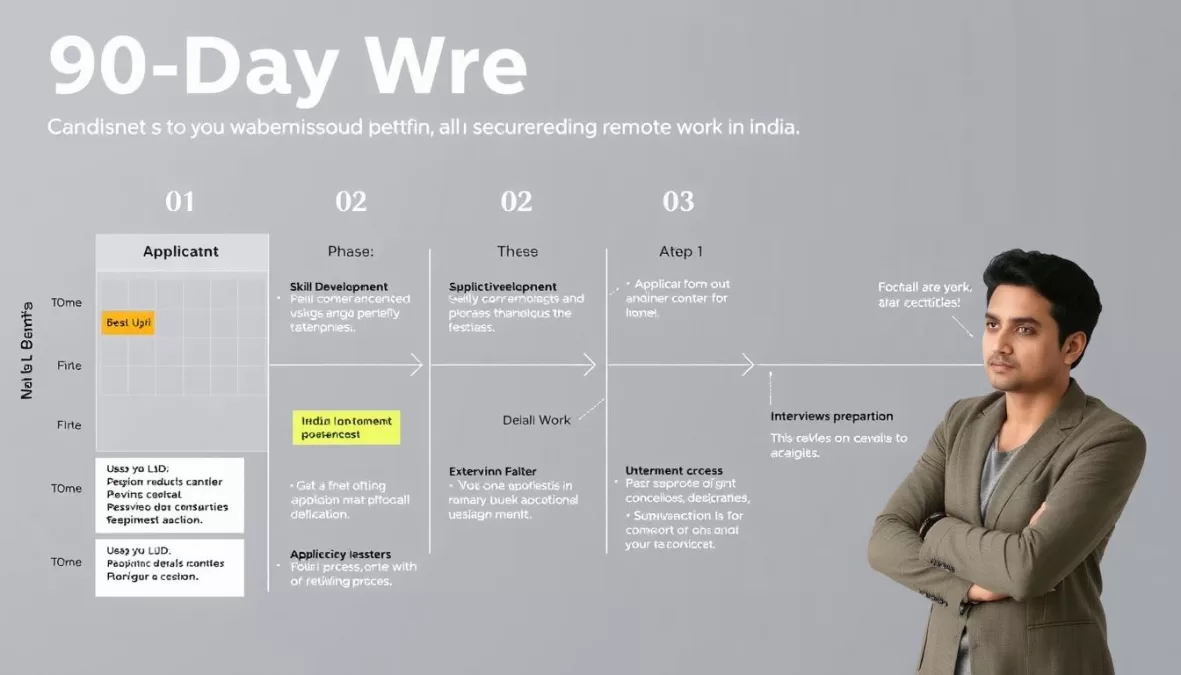
Days 1-30: Assessment & Preparation
- Skills Audit: Evaluate your current skills against those required for your target remote roles. Identify gaps that need to be addressed.
- Remote Work Setup: Create a dedicated, professional home office space with reliable internet, proper lighting, and ergonomic furniture.
- Digital Presence Optimization: Update your LinkedIn profile and other professional platforms to highlight remote work capabilities and experience.
- Tool Proficiency: Familiarize yourself with common remote collaboration tools (Slack, Asana, Trello, Zoom) through free tutorials and practice.
- Target Role Identification: Research specific remote positions that match your skills and career goals, noting required qualifications and typical responsibilities.
Days 31-60: Skill Development & Networking
- Targeted Upskilling: Enroll in 1-2 courses to address skill gaps identified in your audit. Focus on high-demand skills for your industry.
- Portfolio Development: Create or update your portfolio to showcase relevant projects, emphasizing independent work and remote collaboration.
- Remote Work Certification: Consider completing a remote work readiness certification to demonstrate your commitment.
- Strategic Networking: Join at least 3 industry-specific online communities and actively participate in discussions.
- Informational Interviews: Conduct 5-7 conversations with professionals already working remotely in your target roles to gain insights and advice.
Days 61-90: Application & Interview Phase
- Application Materials: Create tailored resumes and cover letters highlighting remote-relevant skills and experiences.
- Job Application Strategy: Apply to 3-5 suitable remote positions weekly, focusing on quality applications over quantity.
- Interview Preparation: Practice virtual interviewing, including testing your technical setup and preparing remote-specific question responses.
- Follow-up System: Develop a tracking system for applications and implement a consistent follow-up strategy.
- Negotiation Preparation: Research remote work compensation trends and prepare to negotiate for necessary equipment, flexible hours, or other remote-specific benefits.
Ready to Launch Your Remote Career?
Put your action plan into motion with these essential resources for remote job seekers in India.
Conclusion: Embracing the Future of Work in India
The landscape of remote and hybrid work in India is evolving rapidly, creating unprecedented opportunities for professionals across industries. As we look toward 2025, the ability to work flexibly is no longer just a perk—it’s becoming a standard expectation for many roles.
By developing the right skills, understanding where to find opportunities, preparing tailored application materials, and addressing common remote work challenges, you can position yourself for success in this new world of work. The future belongs to those who can adapt to changing work environments while delivering exceptional value, regardless of physical location.
Whether you’re seeking better work-life balance, access to global opportunities, or freedom from geographical constraints, remote and hybrid work models offer exciting possibilities. Start implementing your action plan today, and take the first step toward a more flexible, fulfilling career in 2025 and beyond.
Take the First Step Today
Ready to transform your career with remote work opportunities? Start with these essential resources.