
India continues to demonstrate strong global standing in employment prospects for the latter half of 2025. With a net employment outlook (NEO) of 40%, the country ranks second globally for hiring intent, according to the latest ManpowerGroup Employment Outlook Survey. This robust outlook is driven by expansion plans, digital transformation initiatives, and strong demand across key sectors. Whether you’re a job seeker looking to pivot your career or an employer planning your talent acquisition strategy, understanding India’s hiring trends for H2 2025 is crucial for making informed decisions in this dynamic job market.
India’s Hiring Outlook: Market Overview
For the period of October to December 2025, India maintains its position as a global leader in hiring intent. According to the latest market analysis, 72% of employers plan workforce expansion through net new job creation rather than replacement hiring. This strong sentiment comes despite slight quarterly fluctuations, with the NEO showing a seven percentage point decrease from the previous quarter but an impressive 18 percentage point increase year-on-year.
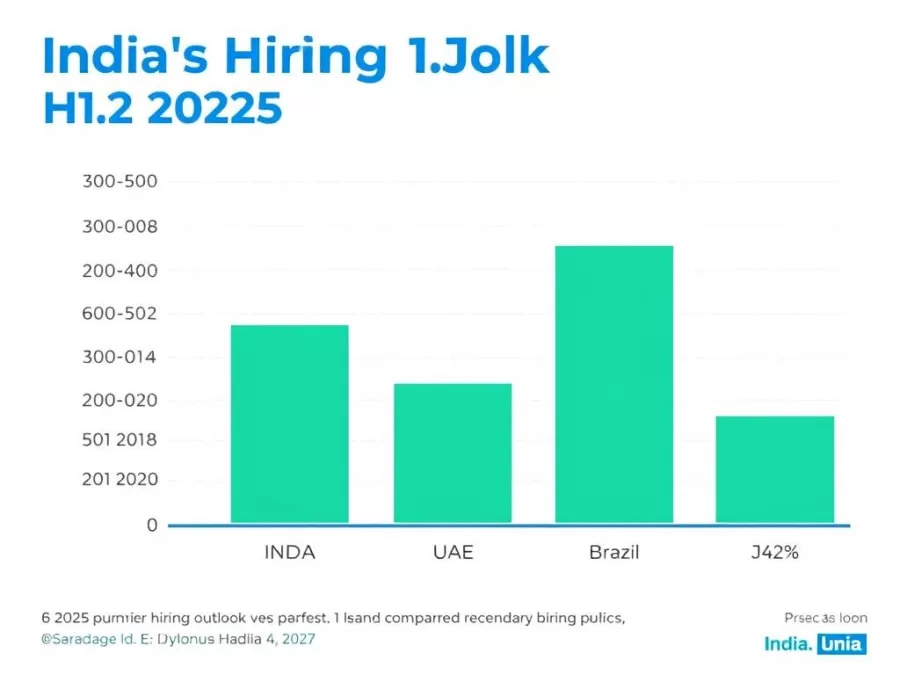
The findings, based on interviews with over 40,000 employers across 42 countries, reveal that Indian employers are maintaining optimism despite global economic uncertainties. Approximately 94% of employers indicate plans to recruit in H2 2025, with business expansion cited as the primary driver by 43% of surveyed employers.
“It is encouraging to see that 72% of employers are planning workforce expansion through net new job creation. Equally noteworthy is that nearly 87% of employers do not foresee significant job losses due to AI — a striking contrast to the global narrative around AI-led job cuts.”
This positive outlook is particularly significant as hiring momentum is closely tied to domestic consumption, which accounts for more than 60% of India’s gross domestic product (GDP). The labor force participation rate (LFPR) improved to 54.9% in July 2025, indicating a growing active workforce contributing to economic growth.
Sectors Leading India’s Hiring Trends in H2 2025
Several key sectors are driving India’s robust hiring outlook for the latter half of 2025. Understanding sector-wise job growth can help both job seekers and employers align their strategies with market demands.
Energy & Utilities: Leading the Charge
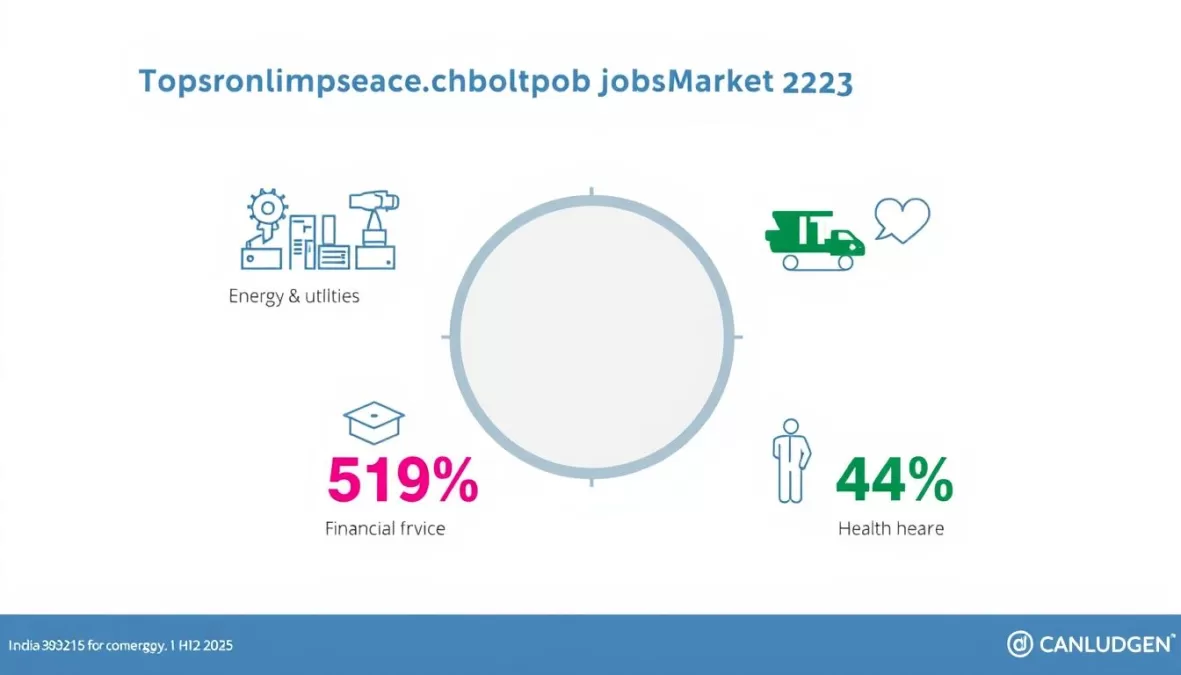
The energy and utilities sector shows the strongest hiring outlook at 59%, registering an increase of 18 percentage points since the previous quarter and a remarkable 74 percentage points year-over-year. This surge is driven by India’s ambitious renewable energy targets and ongoing infrastructure development projects.

Key drivers for this sector include:
- Government push for 500 GW of renewable energy capacity by 2030
- Increasing private investments in green hydrogen and energy storage
- Expansion of electric vehicle charging infrastructure
- Smart grid implementation projects across major cities
Financial Services & Real Estate
Financial services and real estate emerge as the second-leading sector with a 52% hiring outlook, marking an 18 percentage point year-over-year increase. This growth is fueled by digital transformation initiatives, expanding retail banking operations, and a resurgent real estate market.

In-demand roles in this sector include:
- Fintech product managers and developers
- Data analysts specializing in financial modeling
- Wealth management advisors
- ESG (Environmental, Social, Governance) specialists
- Real estate technology experts
Information Technology & Communication Services
The IT sector continues to be a significant employer with a 48% hiring outlook. Communication services recorded a 33% year-on-year rise in hiring intent, signaling renewed growth in these employment-intensive segments.

Technology roles seeing highest demand include:
- AI/ML engineers and data scientists
- Cloud infrastructure specialists
- Cybersecurity experts
- Full-stack developers with expertise in emerging frameworks
- 5G network engineers
Healthcare & Life Sciences
Healthcare and life sciences show a robust 44% hiring outlook, driven by expanding healthcare infrastructure, telemedicine adoption, and growing pharmaceutical research operations.

Growing areas within healthcare include:
- Telemedicine specialists
- Healthcare data analysts
- Clinical research professionals
- Biotech researchers
- Healthcare IT integration experts
Stay Ahead of Sector Trends
Get bi-weekly updates on India’s fastest-growing sectors, emerging roles, and skill requirements delivered straight to your inbox.
Traditional Employment Sectors: Steady Contributors
While emerging sectors show impressive growth, traditional employment sectors continue to provide large-scale jobs across India. According to data from the Union Ministry of Statistics and Programme Implementation (MoSPI), these sectors remain the backbone of India’s employment landscape:
| Sector | Employment Share | Hiring Outlook H2 2025 | YoY Change |
| Agriculture | 45% | 22% | +3% |
| Construction | 13% | 38% | +12% |
| Trade, Hotels & Restaurants | 12.1% | 41% | +15% |
| Manufacturing | 11.4% | 39% | +11% |
| Transport & Communications | 5.4% | 44% | +18% |

Manufacturing is experiencing renewed growth due to the “Make in India” initiative and production-linked incentive (PLI) schemes. Construction sector hiring is being driven by infrastructure development projects and smart city initiatives across the country.
Gig Economy and E-commerce: Reshaping Employment Patterns
The gig economy and e-commerce platforms are increasingly becoming significant employment generators in India. According to a white paper published in September 2025, 70% of gig workers in the Delhi-NCR region have seen higher disposable incomes through part-time, seasonal, and gig roles.

E-commerce platforms are emerging as attractive employers, offering structured training, upskilling, and career growth opportunities. Companies like Amazon, Flipkart, Delhivery, and Meesho are not only creating jobs but also formalizing employment in retail and logistics sectors.
Key Gig Economy Trends
- Platform-based work growing at 17% annually
- Increasing formalization with benefits and insurance
- Expansion beyond metro cities to Tier 2 and 3 locations
- Cross-skilling programs enabling workers to serve multiple platforms
E-commerce Employment Drivers
- Warehouse and logistics expansion
- Last-mile delivery networks
- Customer service operations
- Technology development centers
- Seller enablement teams

What India’s Hiring Trends Mean for You
The evolving hiring landscape has significant implications for both job seekers and employers. Understanding these implications can help you position yourself advantageously in the market.
For Job Seekers: Skills in Demand
The job market in H2 2025 shows a clear preference for specialized skills across sectors. According to the Naukri Hiring Outlook report, employers are prioritizing candidates with the following capabilities:

Technical Skills
- AI/ML expertise
- Data analytics
- Cloud computing
- Cybersecurity
- Renewable energy systems
Domain Expertise
- ESG knowledge
- Digital finance
- Healthcare informatics
- Supply chain optimization
- Regulatory compliance
Soft Skills
- Adaptability
- Critical thinking
- Digital collaboration
- Complex problem solving
- Cross-cultural communication
Salary Trends Across Sectors
Compensation packages are showing positive growth across sectors, with specialized roles commanding premium salaries:
| Sector | Average Salary Increase | Hot Roles | Experience Level in Demand |
| IT & Technology | 12-15% | AI Engineers, Cloud Architects | 4-7 years |
| Energy & Utilities | 14-18% | Renewable Energy Specialists | 5-10 years |
| Financial Services | 10-14% | Fintech Product Managers | 7-12 years |
| Healthcare | 9-12% | Healthcare Data Scientists | 3-8 years |
| Manufacturing | 8-11% | Industry 4.0 Specialists | 5-9 years |
For Employers: Talent Acquisition Challenges
Employers face mounting talent challenges in the competitive job market. Nearly half (46%) cite attracting qualified candidates as their biggest obstacle, while 42% see work-life balance as the most effective retention strategy.

Key Hiring Challenges
- Skill gaps in emerging technologies
- Salary expectations misalignment
- Competition for specialized talent
- Retention of high-performers
- Remote work implementation
Effective Retention Strategies
- Flexible work arrangements (42%)
- Career development opportunities (38%)
- Competitive compensation (35%)
- Learning & development programs (32%)
- Wellness initiatives (28%)
Organizations are increasingly adopting a hybrid approach to workforce management, balancing permanent employees with gig workers and consultants to maintain agility in a dynamic market environment.
How to Prepare for India’s Evolving Job Market
Whether you’re a job seeker looking to advance your career or an employer aiming to build a robust talent pipeline, preparation is key to success in India’s evolving job market.

For Job Seekers: Actionable Steps
Skill Development
- Identify sector-specific skill gaps
- Enroll in specialized certification programs
- Leverage platforms like NASSCOM FutureSkills
- Participate in industry hackathons and challenges
- Join communities of practice in your domain
Strategic Networking
- Attend industry conferences and webinars
- Engage with professional associations
- Build a strong LinkedIn presence
- Participate in alumni networks
- Connect with recruiters specializing in your sector
Personal Branding
- Develop a compelling professional narrative
- Showcase projects and achievements online
- Contribute to industry publications
- Create content demonstrating expertise
- Obtain endorsements from industry leaders
Prepare for Your Next Career Move
Download our comprehensive sector-specific hiring guide with detailed skill requirements, salary benchmarks, and expert insights.
For Employers: Building Effective Talent Strategies

Talent Pipeline Development
- Establish industry-academia partnerships
- Create internship and apprenticeship programs
- Implement employee referral incentives
- Develop talent communities for future hiring
- Engage with specialized recruitment platforms
Workforce Flexibility
- Design hybrid work models
- Implement flexible scheduling options
- Balance permanent and contingent workforce
- Create project-based employment opportunities
- Develop remote work infrastructure
Retention Strategies
- Establish clear career progression paths
- Offer competitive compensation packages
- Implement continuous learning programs
- Create mentorship opportunities
- Foster inclusive workplace culture
Key Takeaways: Navigating India’s Hiring Trends H2 2025

- India remains a global leader in hiring intent, ranking second among 42 countries with a 40% net employment outlook.
- Energy & utilities, financial services, IT, and healthcare sectors are leading hiring growth with outlooks ranging from 44% to 59%.
- Traditional sectors like manufacturing and construction continue to provide large-scale employment with improved hiring outlooks.
- The gig economy and e-commerce platforms are reshaping employment patterns, offering structured career growth opportunities.
- Specialized technical skills, domain expertise, and adaptive soft skills are in highest demand across sectors.
- Mid-level professionals with 4-7 years of experience are the most sought-after talent segment.
- Employers face mounting talent challenges, with 46% citing qualified candidate attraction as their biggest obstacle.
As India’s job market continues to evolve in H2 2025, both job seekers and employers need to stay informed about sector-specific trends and adapt their strategies accordingly. By focusing on skill development, strategic networking, and flexible workforce models, stakeholders can position themselves advantageously in this dynamic environment.
Stay Ahead of India’s Hiring Trends
Evaluate your skills against current market demands with our free assessment tool and receive personalized recommendations for your career development.