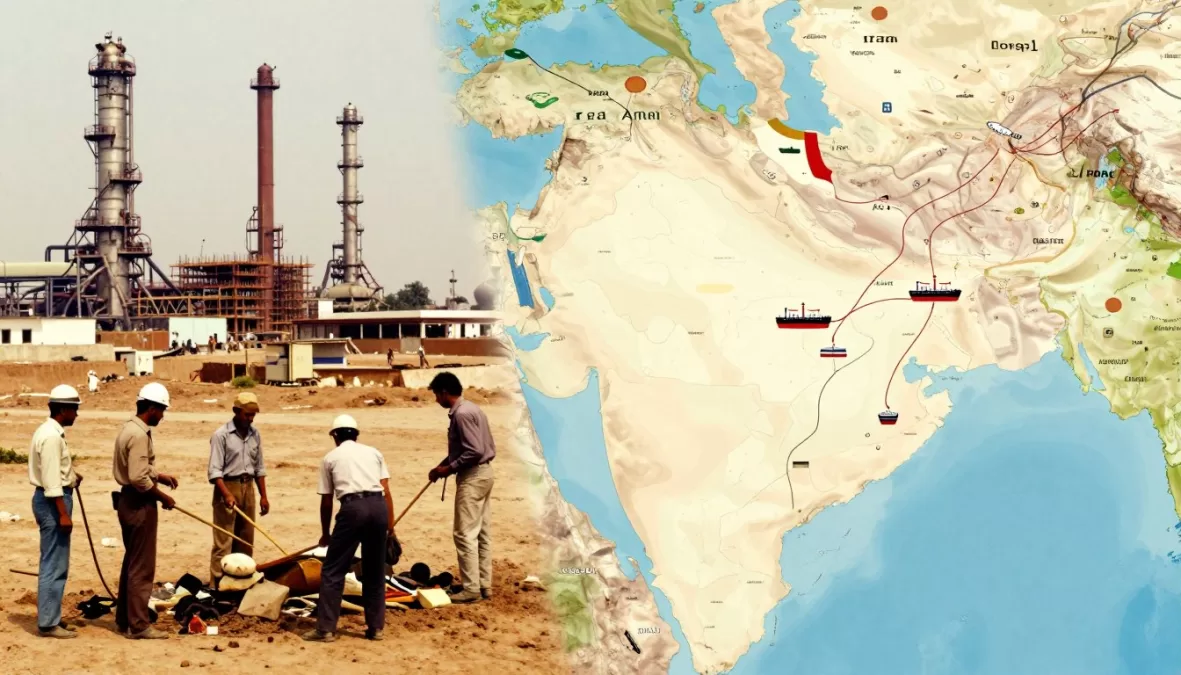
The Iran-Iraq war, which raged from 1980 to 1988, sent shockwaves across the globe. While the conflict unfolded thousands of miles away in West Asia, its effects reached Indian shores with surprising force. The jobs impact India Iran war created remains one of the most significant examples of how regional conflicts reshape domestic employment patterns.
India’s economy in the 1980s was deeply interconnected with the Middle East through energy imports, labor migration, and trade relationships. When war erupted between Iran and Iraq, it didn’t just disrupt oil flows through the Strait of Hormuz. It fundamentally altered employment prospects for millions of Indians across multiple sectors.
This comprehensive analysis examines how the conflict affected Indian workers, from construction laborers in the Gulf states to shipping crew members navigating dangerous waters. We’ll explore sector-specific impacts, long-term economic implications, and the policy responses that shaped India’s workforce for decades to come.
Stay Informed on Geopolitical Economic Impacts
Current tensions in the Middle East crisis continue to affect India’s economy and job market. Subscribe to receive expert analysis on how regional conflicts shape employment opportunities and economic security in India.
India’s Economic Landscape During the Iran-Iraq War Period
When the Iran-Iraq war began in September 1980, India was navigating its own economic challenges. The country’s economy was marked by state control, import substitution policies, and heavy dependence on crude oil imports to fuel industrial growth.
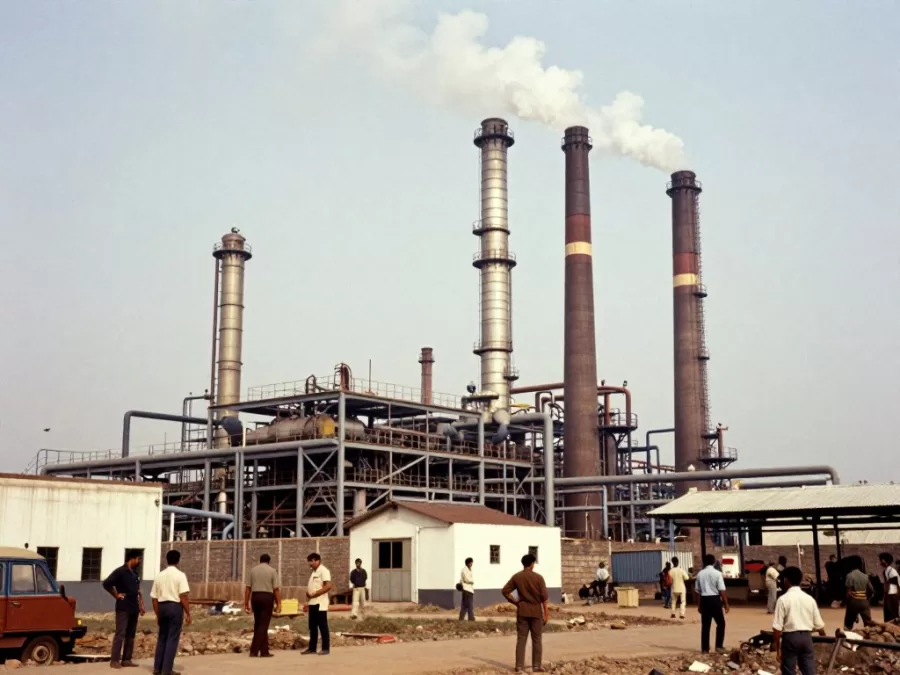
Key Economic Indicators of 1980s India
- GDP growth averaging 5.5% annually between 1980-1988
- Crude oil imports accounting for 70% of total energy consumption
- Agriculture employing nearly 60% of the workforce
- Manufacturing sector contributing 16% to GDP
- Foreign exchange reserves critically low at around $5-6 billion
- Inflation rates fluctuating between 6-13% annually
The country’s exposure to the Middle East extended beyond energy imports. By 1980, approximately 2 million Indians lived and worked across the Gulf region, primarily in construction, services, and skilled trades. These workers sent home remittances that became a crucial source of foreign exchange for India.
India’s Strategic Position in the Global Order
India maintained a careful diplomatic balance during the Cold War era. The nation’s non-aligned stance meant maintaining relationships with both Western powers and the Soviet bloc. This strategy extended to the Middle East, where India cultivated ties with Arab nations, Iran, and Israel simultaneously.
Critical Context: In 1980, the Middle East supplied over 70% of India’s crude oil needs. The region was not just an energy source but a major employment destination for Indian workers seeking opportunities abroad.
The state of India’s economy made it particularly vulnerable to external shocks. With limited foreign reserves and high dependence on imported energy, any disruption in oil supply or price increases threatened to destabilize economic growth and employment across multiple sectors.
India-Iran Trade Relationships Before and During the Conflict
India and Iran shared robust trade relations before the war erupted. Iran was among India’s top crude oil suppliers, and bilateral trade encompassed various sectors including pharmaceuticals, textiles, and agricultural products.
Pre-War Trade Profile (1979)
- Iran supplied approximately 15% of India’s total oil imports
- Bilateral trade valued at $800 million annually
- Indian exports included tea, textiles, and engineering goods
- Iranian exports dominated by crude oil and petrochemical products
- Direct shipping routes facilitated regular commerce
Wartime Trade Disruptions (1980-1988)
- Oil supply chains faced interruptions due to attacks on tankers
- Insurance costs for shipping through the Gulf increased dramatically
- Trade volumes declined by 30-40% during peak conflict years
- Payment mechanisms became complicated due to sanctions
- Alternative supply routes required longer transit times
Impact on Indian Shipping and Maritime Employment
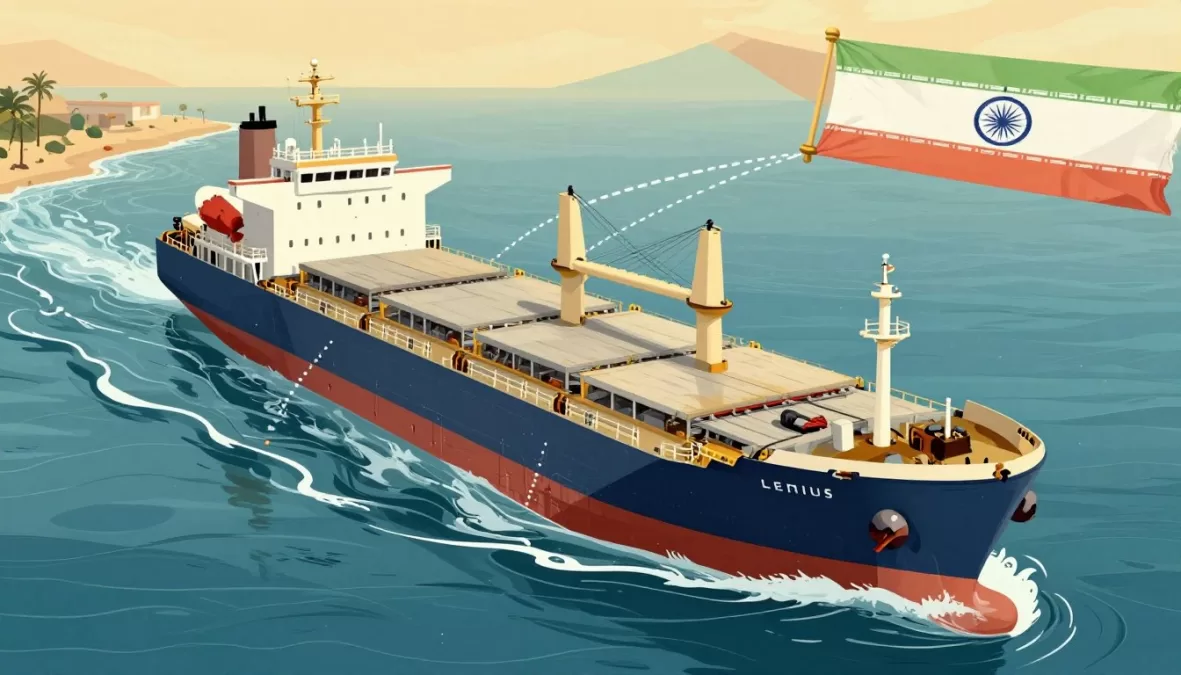
The war zone in the Persian Gulf created immediate challenges for Indian shipping companies and maritime workers. The Strait of Hormuz, through which much of the world’s oil passes, became a dangerous bottleneck as both warring nations attacked tankers.
Indian shipping companies faced mounting pressure. Insurance premiums for vessels entering the Gulf region skyrocketed, sometimes increasing by 500% or more. This created a ripple effect across the maritime employment sector, affecting not just sailors but also port workers, logistics coordinators, and insurance professionals.
“The war made every voyage through the Gulf a calculated risk. We lost business, routes were diverted, and crew members demanded higher compensation for the danger. The entire maritime ecosystem was disrupted.”
Despite these challenges, India maintained its commitment to energy security. The country diversified its crude oil sources, increasing imports from Saudi Arabia, the United Arab Emirates, and even exploring relationships with nations beyond the region. This strategic pivot would later influence India’s long-term energy policy and diplomatic relationships across West Asia.
Sectors in India Most Affected by the Iran-Iraq Conflict
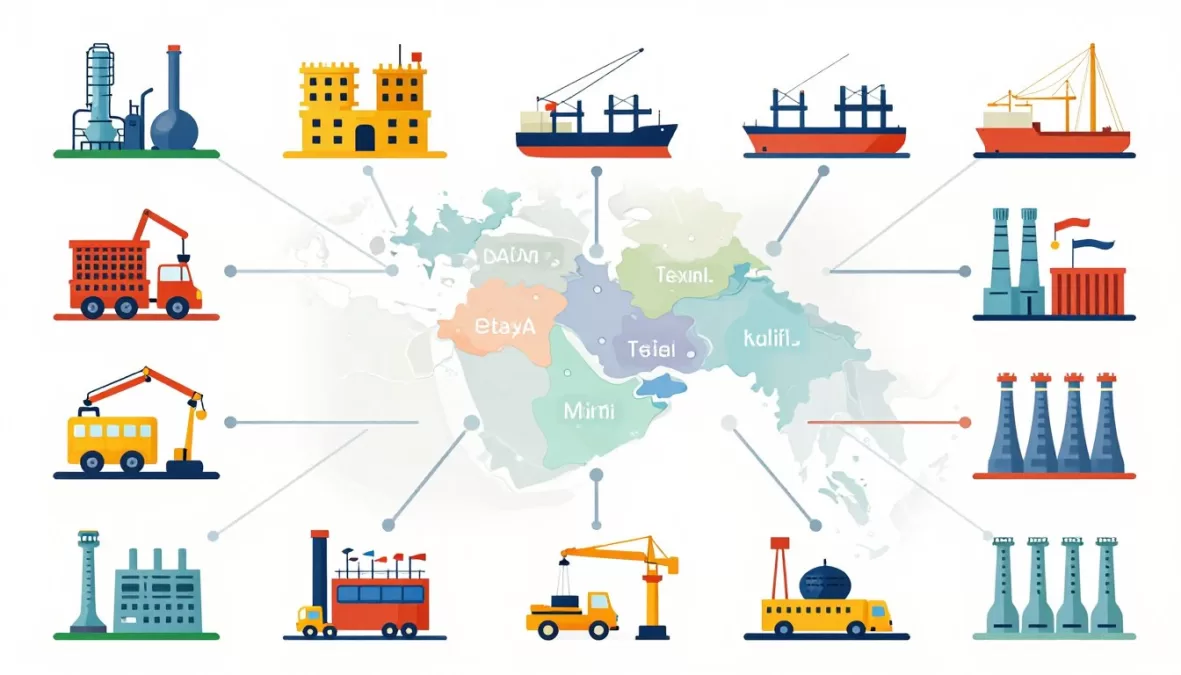
The jobs impact India Iran war extended across multiple economic sectors. Each industry experienced unique challenges based on its exposure to the Middle East, energy dependence, and reliance on stable trade routes. Understanding these sector-specific effects reveals the conflict’s far-reaching economic consequences.
Oil and Energy Sector
India’s energy sector faced the most immediate impact as crude oil prices surged and supply chains were disrupted.
- Refinery operations affected by supply uncertainties
- Job creation in energy sector slowed considerably
- Increased focus on domestic exploration created new opportunities
- Energy security concerns drove policy changes
Construction and Real Estate
The construction sector experienced both challenges and opportunities as Gulf projects slowed but domestic investment increased.
- Reduced demand for workers in Middle East construction
- Repatriation of construction workers to India
- Domestic infrastructure projects absorbed some displaced labor
- Skills mismatch created temporary unemployment
Shipping and Logistics
Maritime trade faced severe disruptions affecting thousands of workers in shipping, ports, and related services.
- Crew members demanded higher danger pay
- Route diversions increased operational costs
- Port operations experienced irregular schedules
- Insurance and documentation jobs increased
Manufacturing and Industry
Energy-intensive industries faced cost pressures that affected employment and expansion plans across India.
- Higher energy costs reduced profit margins
- Some factories reduced shifts or workforce
- Export competitiveness declined temporarily
- Push toward energy efficiency created technical jobs
Oil and Energy Sector: Employment Shifts and Strategic Changes
The oil sector bore the brunt of the Iran-Iraq war’s economic impact on India. Crude oil prices, which had already been volatile due to the 1979 oil shock, remained elevated throughout the conflict. This affected not just energy costs but employment patterns across the entire value chain.
Direct Employment Impact in the Energy Sector
India’s state-owned oil companies faced immediate operational challenges. The Oil and Natural Gas Corporation (ONGC), Indian Oil Corporation (IOC), and Bharat Petroleum had to navigate a complex environment of supply uncertainties, price volatility, and geopolitical risks.
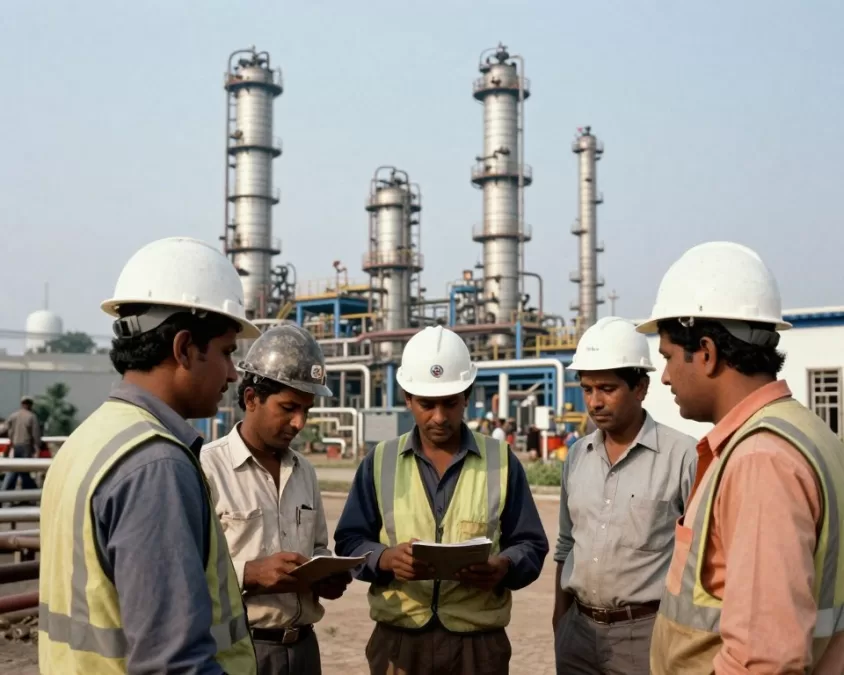
| Employment Category | Pre-War Status (1979) | During War (1980-1988) | Impact Assessment |
| Refinery Operations | Steady growth, 45,000 workers | Expansion slowed, reached 52,000 by 1988 | Moderate positive growth despite constraints |
| Exploration and Drilling | 15,000 workers, limited activity | Expanded to 28,000 workers | Strong growth driven by energy security focus |
| Distribution and Retail | 120,000 workers nationwide | Grew to 165,000 workers | Continued expansion despite higher costs |
| Oil Trading and Logistics | 8,000 professionals | Increased to 14,000 | Significant growth due to complex supply chain management |
| Petrochemical Industry | 35,000 workers | Limited growth to 41,000 | Constrained by feedstock costs and availability |
While the crude oil price shock initially threatened employment, India’s strategic response actually created opportunities. The government prioritized domestic exploration and refinery expansion as part of its energy security strategy. This policy shift generated thousands of jobs in exploration, drilling, and refinery construction.
Emergence of Energy Security Jobs
The conflict catalyzed a new focus on energy independence. The Oil and Natural Gas Corporation received increased funding for domestic exploration in the Bombay High offshore fields and onshore sites across the country. This investment created demand for geologists, petroleum engineers, drilling technicians, and support staff.
Download Our Comprehensive Sector Analysis Report
Get detailed insights into how geopolitical conflicts have shaped India’s employment landscape across decades. Our expert report includes sector-wise breakdowns, statistical analysis, and forecasts for current Middle East tensions.
The power generation sector also saw shifts. Coal remained India’s primary source for electricity generation, but the oil price increases accelerated research into alternative energy sources and nuclear power expansion. The nuclear energy sector, though small, added technical positions during this period.
Shipping Industry: Navigating Dangerous Waters and Economic Uncertainty
Indian maritime workers faced unprecedented challenges as the Persian Gulf became a war zone. The “Tanker War” phase of the Iran-Iraq conflict (1984-1988) saw both nations attacking oil tankers and merchant ships, creating a crisis for the global shipping industry and India’s maritime workforce.
Maritime Employment Challenges
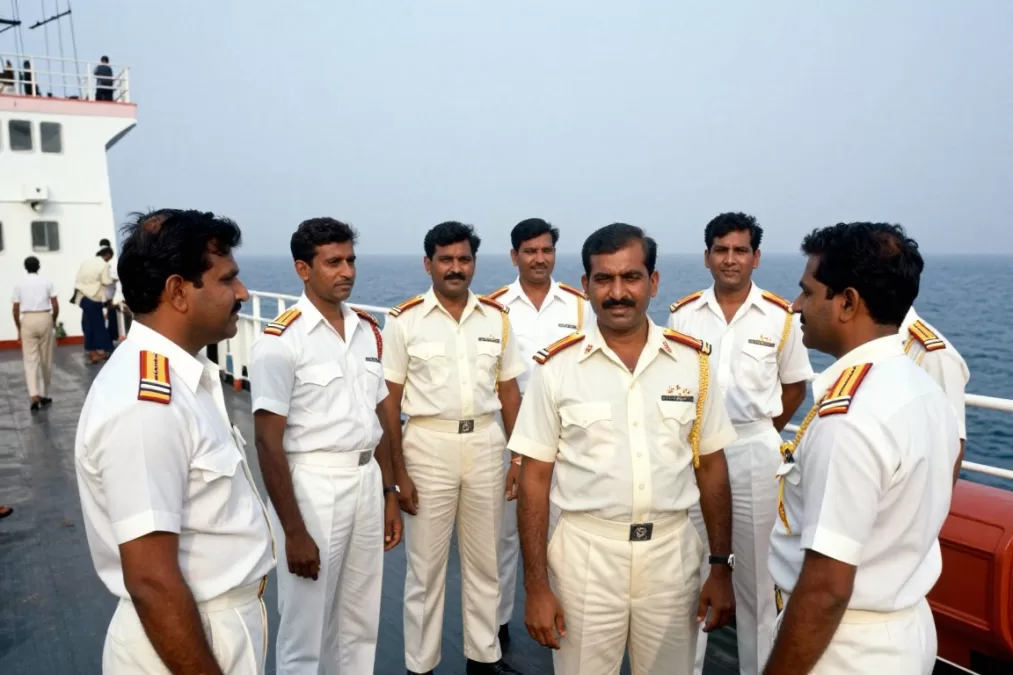
The Shipping Corporation of India (SCI) and private shipping companies operating in the Gulf region had to make difficult decisions. Ships became targets regardless of flag or cargo, and the insurance costs made some routes economically unviable.
Crew members faced real danger. Several Indian vessels came under attack during the conflict, and seafarers demanded compensation for the increased risk. This led to:
- Wage increases of 30-50% for crew willing to sail Gulf routes
- Recruitment challenges as experienced sailors avoided the region
- Higher training costs to maintain adequate crew levels
- Psychological stress and insurance claims affecting maritime families
- Temporary unemployment for specialized Gulf route personnel
Port Operations and Logistics Workers
Indian ports experienced irregular schedules as ships diverted from conflict zones or delayed voyages. Port workers in Mumbai, Chennai, and Cochin faced unpredictable work schedules, affecting earnings and job security. The supply chains linking India to the Middle East required constant adjustment, creating both challenges and opportunities.
Did You Know?
Between 1984 and 1988, over 540 ships were attacked in the Persian Gulf. While most attacks targeted oil tankers, merchant vessels carrying cargo to and from India were also at risk. This created a crisis atmosphere in India’s maritime employment sector.
Despite the dangers, the shipping sector adapted. Companies developed new safety protocols, invested in better communication systems, and established crisis response procedures. These changes led to new job categories in maritime security, risk assessment, and crisis management that hadn’t existed before the conflict.
The long-term effect on the shipping industry was transformative. India’s maritime sector emerged from the war years with enhanced capabilities in risk management, alternative route planning, and crisis navigation. These skills would prove valuable in subsequent decades as India’s global trade expanded.
Construction Sector and Remittances: The Gulf Connection
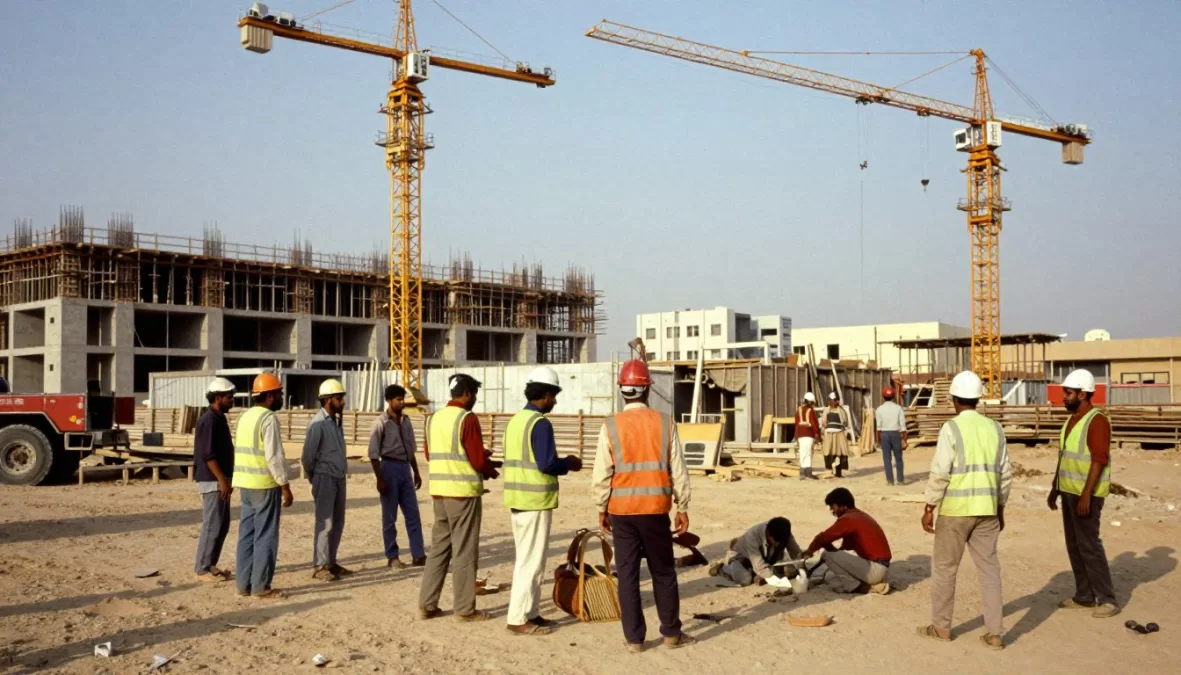
Perhaps no aspect of the jobs impact India Iran war was more visible than the effect on Indian workers in the Gulf states. By 1980, the Gulf region hosted nearly 2 million Indians, with construction workers forming a significant portion of this diaspora community.
Construction Boom and Bust Cycles
The Gulf states, particularly Saudi Arabia, the United Arab Emirates, and Kuwait, had experienced a construction boom fueled by oil wealth. Indian workers filled positions ranging from laborers to engineers, electricians to project managers. The war disrupted this pattern significantly.
War’s Impact on Gulf Construction
- New projects declined by 40% in war-adjacent regions
- Existing projects faced delays and cancellations
- Worker safety concerns increased insurance and security costs
- Some workers were repatriated as companies downsized
- Wage growth stagnated despite higher living costs
- Competition for remaining jobs intensified
Opportunities in Safer Gulf States
- United Arab Emirates expanded as a safe haven destination
- Saudi Arabia continued major infrastructure projects
- Oman emerged as an alternative employment destination
- Skilled workers commanded premium wages
- Dubai’s construction boom accelerated in mid-1980s
- Indian contractors won major project bids
Remittance Flows and Economic Impact
Remittances from the Gulf region were crucial to India’s balance of payments. In 1980, Indian workers sent home approximately $2.8 billion annually, a sum that represented a significant portion of India’s foreign exchange earnings. The war threatened this vital income stream.
The state of Kerala was particularly dependent on Gulf remittances. An estimated 1 in 4 households in Kerala received money from relatives working in the Middle East. The conflict’s impact on employment opportunities directly affected hundreds of thousands of families across India.
Economic Significance: At the height of the Iran-Iraq war, remittances from the Gulf region to India equaled approximately 15-20% of the country’s total export earnings, making this income stream critical to economic stability.
However, the overall impact was more nuanced than simple decline. While opportunities in Iraq and Iran diminished drastically, other Gulf states continued to grow. The United Arab Emirates, particularly Dubai, accelerated its development plans, partially compensating for losses elsewhere. Kuwait maintained its construction activity until the later years of the conflict.
The crisis forced many Indian workers to develop new skills or relocate to safer Gulf destinations. This mobility and adaptability became a defining characteristic of India’s expatriate workforce, a trait that continues to serve Indian workers across the world today.
Employment Trends and Job Market Shifts (1980-1988)
Analyzing the broader employment trends during the Iran-Iraq war reveals a complex picture. While some sectors faced challenges, others experienced unexpected growth. The Indian economy’s resilience and adaptability helped absorb shocks and create alternative opportunities.
Sectoral Employment Changes
The manufacturing sector experienced mixed fortunes. Energy-intensive industries like steel, cement, and chemicals faced pressure from higher crude oil prices and increased input costs. However, the overall industrial employment continued to grow, albeit at a slower pace than the late 1970s.
- Domestic oil exploration and production
- Alternative energy research and development
- Maritime insurance and risk management
- International trade logistics and documentation
- Banking services for remittance handling
- Construction in non-Gulf domestic projects
- Agricultural productivity enhancement programs
- Information technology and software services (emerging)
Sectors with Employment Growth
- Energy-intensive manufacturing industries
- Gulf-region focused construction recruitment
- Maritime transport through Persian Gulf routes
- Petrochemical manufacturing dependent on imports
- Export industries facing competitiveness issues
- Tourism to Middle East destinations
- Small-scale industries with high energy costs
- Trade-dependent service sectors
Sectors with Employment Challenges
Regional Variations in Employment Impact
The war’s employment effects varied significantly across Indian states. Kerala, with its heavy dependence on Gulf remittances, felt the impact more acutely than states with less exposure to the Middle East labor markets.
States with energy-intensive industries, such as Maharashtra and Gujarat, faced challenges but also benefited from increased domestic oil production activities. The Bombay High offshore oil fields, discovered in the 1970s and ramped up during the 1980s, created thousands of jobs in Maharashtra’s coastal regions.
Skills Development and Training Initiatives
The employment challenges of the 1980s prompted increased focus on skills development. The government and private sector invested in training programs to prepare workers for emerging opportunities in domestic industries and diversified international markets.
Technical education received renewed emphasis. Industrial Training Institutes (ITIs) expanded their capacity to train skilled workers in trades relevant to oil exploration, refining, and alternative energy technologies. This investment in human capital would pay dividends in subsequent decades as India’s economy opened up and diversified.
Long-Term Economic Implications for India’s Workforce
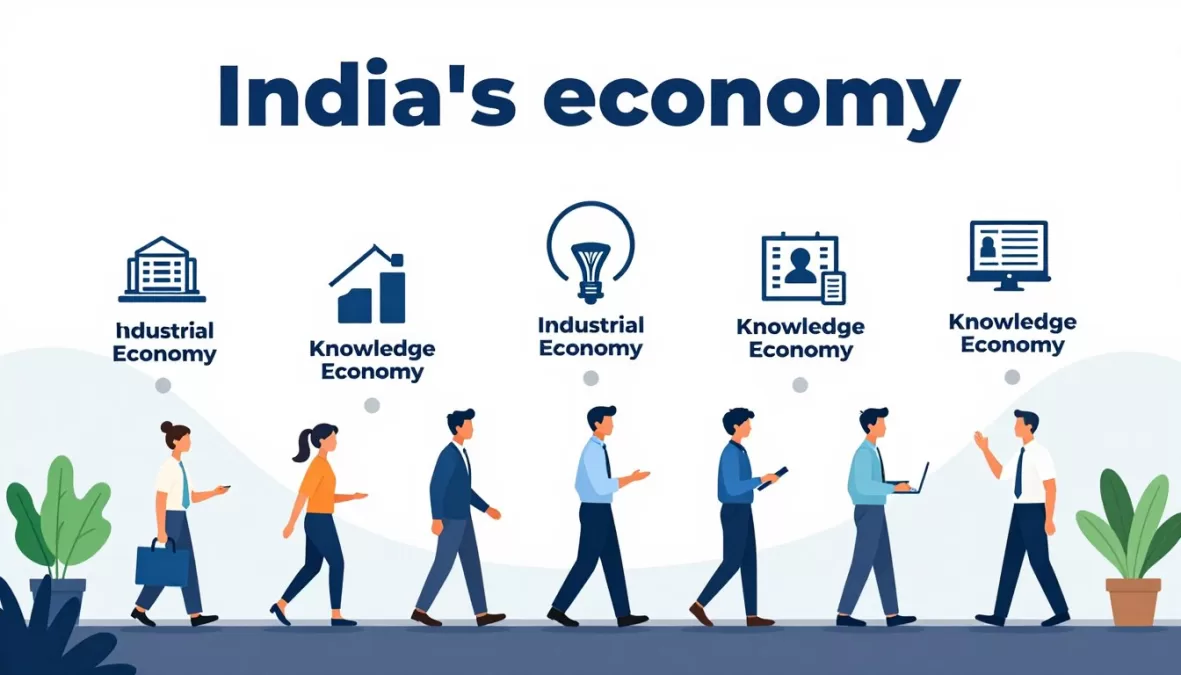
The Iran-Iraq war’s impact on Indian employment extended far beyond the immediate conflict years. The crisis catalyzed policy changes, strategic shifts, and workforce adaptations that continue to influence India’s economy and labor markets today.
Energy Security and Employment Policy
The exposure to energy supply disruptions during the war fundamentally changed India’s approach to energy security. This shift had profound employment implications across multiple decades.
India accelerated diversification of its energy sources. The country increased coal production, expanded nuclear power capacity, and began exploring renewable energy options. Each of these initiatives created new employment categories and required specialized skills that hadn’t been priorities before.
Policy Shifts Post-War Period
- Strategic petroleum reserves program initiated in the 1990s
- Accelerated domestic oil and gas exploration licensing
- Nuclear energy expansion under civilian energy program
- Renewable energy research and deployment initiatives
- Energy efficiency standards for industries
- Diversification of crude oil import sources beyond the Middle East
Employment Sectors Created
- Petroleum reserve management and operations
- Renewable energy engineering and installation
- Energy efficiency consulting services
- Nuclear power plant operations and safety
- Energy trading and commodity risk management
- Alternative fuel research and development
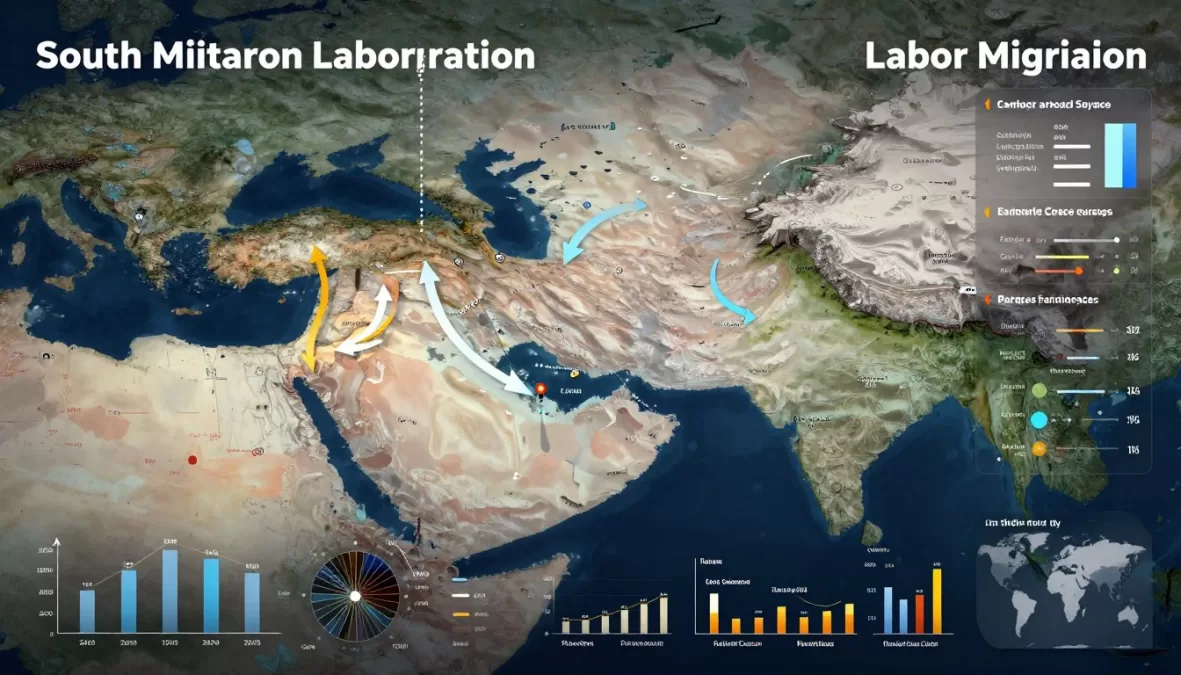
Diaspora Strategy and Labor Migration Patterns
The war years taught Indian policymakers and workers valuable lessons about diversification. Dependence on a single region for employment opportunities created vulnerability. In response, Indian labor migration patterns evolved significantly in subsequent decades.
The crisis accelerated the Indian diaspora’s expansion beyond the Gulf. Indian professionals and workers increasingly sought opportunities in North America, Europe, Southeast Asia, and other regions. This geographic diversification of the Indian workforce reduced vulnerability to regional conflicts and created new remittance streams.
“The Iran-Iraq war served as a wake-up call. We realized that concentrating our workforce in one volatile region created systemic risk. The subsequent decades saw deliberate efforts to diversify employment destinations and skill profiles of Indian workers abroad.”
Industrial Policy and Manufacturing Evolution
The energy cost pressures of the 1980s contributed to a broader reevaluation of India’s industrial strategy. The country could not compete in energy-intensive manufacturing with the cost structures of the war era. This realization contributed to the shift toward less energy-intensive industries and services.
The information technology sector, which began emerging in the 1980s, became increasingly attractive as a low-energy-intensity, high-value industry. While the IT boom would come later, the seeds planted during this period were influenced partly by the search for economic activities less vulnerable to crude oil price shocks.
Financial Sector and Remittance Infrastructure
The importance of Gulf remittances during the crisis years highlighted the need for efficient money transfer systems. Banks and financial institutions developed better infrastructure for handling foreign remittances, creating employment in the financial services sector.
This financial infrastructure development laid groundwork for India’s later integration into global financial markets. The experience managing cross-border financial flows during uncertain times built institutional capacity that would prove valuable as India liberalized its economy in the 1990s.
Comparative Analysis: India and Other Nations Affected by the Conflict
Understanding how the Iran-Iraq war affected India’s employment landscape requires comparison with other nations exposed to the conflict. Pakistan, Bangladesh, the Philippines, and various Arab nations all experienced the war’s economic ripples, but in different ways based on their unique relationships with the region.
Pakistan’s Experience
Pakistan shared many similarities with India in terms of Gulf exposure. Pakistani workers also filled construction, service, and skilled positions across the Middle East. However, Pakistan’s closer political alignment with Gulf states, particularly Saudi Arabia, provided some buffer against economic disruption.
Pakistan experienced job losses in Iraq and Iran similar to India, but its workers benefited from preferential treatment in Saudi Arabia and other Gulf Cooperation Council (GCC) states. The country’s remittances from the Gulf actually increased during parts of the war period as it became a preferred source of labor for some employers.
Bangladesh’s Labor Market Impact
Bangladesh, which gained independence in 1971, was rapidly increasing its labor exports to the Gulf during the 1980s. The war created both obstacles and opportunities. While dangerous conditions deterred some migration, others saw higher wages and opportunities as Indian and Pakistani workers became more selective.
Bangladesh’s lower wage expectations made its workers competitive in a market where employers sought to control costs amid economic uncertainty. This contributed to Bangladesh establishing itself as a major source of Gulf labor, a position it maintains today.
Philippines and Asian Labor Competition
The Philippines competed with South Asian nations for Gulf employment opportunities. Filipino workers, with generally higher English proficiency and different skill sets, occupied somewhat different niches in the Gulf labor market. The war years saw increased competition as all source countries sought to maintain their workers’ market share.
| Country | Primary Sectors | Estimated Workers in Gulf (1980) | Impact Assessment | Recovery Pattern |
| India | Construction, services, skilled trades, engineering | 2.0 million | Moderate disruption with regional variation | Diversification to UAE and continued Saudi presence |
| Pakistan | Construction, transport, services | 1.5 million | Buffered by Saudi preference, moderate impact | Strengthened position in Saudi Arabia |
| Bangladesh | Construction labor, domestic services | 0.3 million (rapidly growing) | Limited initial exposure, used crisis to gain market share | Rapid expansion throughout 1980s |
| Philippines | Healthcare, domestic services, engineering | 0.2 million (growing) | Different niche market, moderate indirect impact | Steady expansion in healthcare and services |
| Egypt | Education, professional services, construction | 1.8 million | Significant impact due to proximity and exposure | Maintained strong presence in GCC states |
Egypt and Arab Labor Markets
Egypt represented the largest Arab labor-exporting country to the Gulf. Egyptian workers filled positions from teachers to engineers across the region. The war’s impact on Egypt was severe given its geographic proximity and heavy economic dependence on remittances.
However, Egypt’s position as an Arab state and its diplomatic relationships provided some advantages. The country maintained labor flows to Saudi Arabia and Gulf states throughout the crisis, though Iraq became essentially closed as an employment destination once the war began.
Lessons from Comparative Experience
India’s experience compared favorably to several other labor-exporting nations. The country’s size and economic diversity provided resilience that smaller, more dependent economies lacked. The diaspora’s skill diversity—from laborers to highly trained professionals—allowed for flexibility in adapting to market changes.
The crisis reinforced that workforce diversification, both in terms of destinations and skill profiles, reduces vulnerability to regional shocks. Countries that maintained narrow employment profiles or geographic concentrations faced more severe disruptions than those with broader diaspora footprints.
Policy Responses and Government Adaptations
The Indian government’s response to the employment and economic challenges posed by the Iran-Iraq war shaped labor and economic policies for years to come. While the state of diplomatic non-alignment limited direct involvement in the conflict, economic self-interest drove proactive policy measures.
Labor Ministry Initiatives
The Ministry of Labour took several steps to protect Indian workers abroad and manage domestic employment impacts. These included:
- Enhanced monitoring of worker safety in Gulf regions through embassy coordination
- Negotiated danger allowances and insurance coverage for workers in high-risk areas
- Established protocols for emergency evacuation if conditions deteriorated
- Increased scrutiny of recruitment agencies to prevent exploitation during crisis
- Developed skill training programs to prepare workers for alternative markets
- Created information systems to track diaspora employment patterns
Energy Policy Reforms
The Ministry of Petroleum and Natural Gas received expanded mandates and resources. The crisis provided political support for accelerating domestic production and exploration activities that had faced budget constraints in previous years.
Key policy measures included licensing new exploration blocks, providing incentives for oil service companies, and establishing strategic partnerships with international energy firms. These policies created employment directly in the energy sector and indirectly through supporting industries.
Effective Policy Responses
- Accelerated domestic oil exploration created new employment opportunities
- Worker protection measures improved safety and compensation
- Diplomatic balancing maintained relationships with both sides
- Infrastructure investment absorbed some displaced labor
- Financial sector reforms improved remittance handling
Policy Limitations and Gaps
- Limited ability to directly influence Gulf region employment conditions
- Slow response to emerging unemployment in affected sectors
- Insufficient social safety nets for returning workers
- Regional disparities in policy implementation and support
- Limited coordination between central and state governments
Financial Sector and Foreign Exchange Management
The Reserve Bank of India and the Ministry of Finance worked to ensure continued remittance flows despite banking disruptions in war zones. Special provisions allowed for alternative channels to transfer money home, ensuring families dependent on Gulf earnings could access funds.
Foreign exchange management became more sophisticated as the country navigated volatile oil prices, uncertain trade flows, and the need to maintain adequate reserves. These crisis management experiences built institutional capabilities that would prove valuable in later economic liberalization.
Infrastructure and Employment Programs
The government increased spending on domestic infrastructure projects partly to absorb workers affected by reduced Gulf opportunities. Rural employment programs received additional funding, and urban infrastructure projects in major cities accelerated.
While these programs couldn’t fully replace Gulf employment in terms of wages or scale, they provided a safety valve that prevented more severe unemployment crises in regions heavily dependent on remittances.
Relevance to Today’s Middle East Tensions
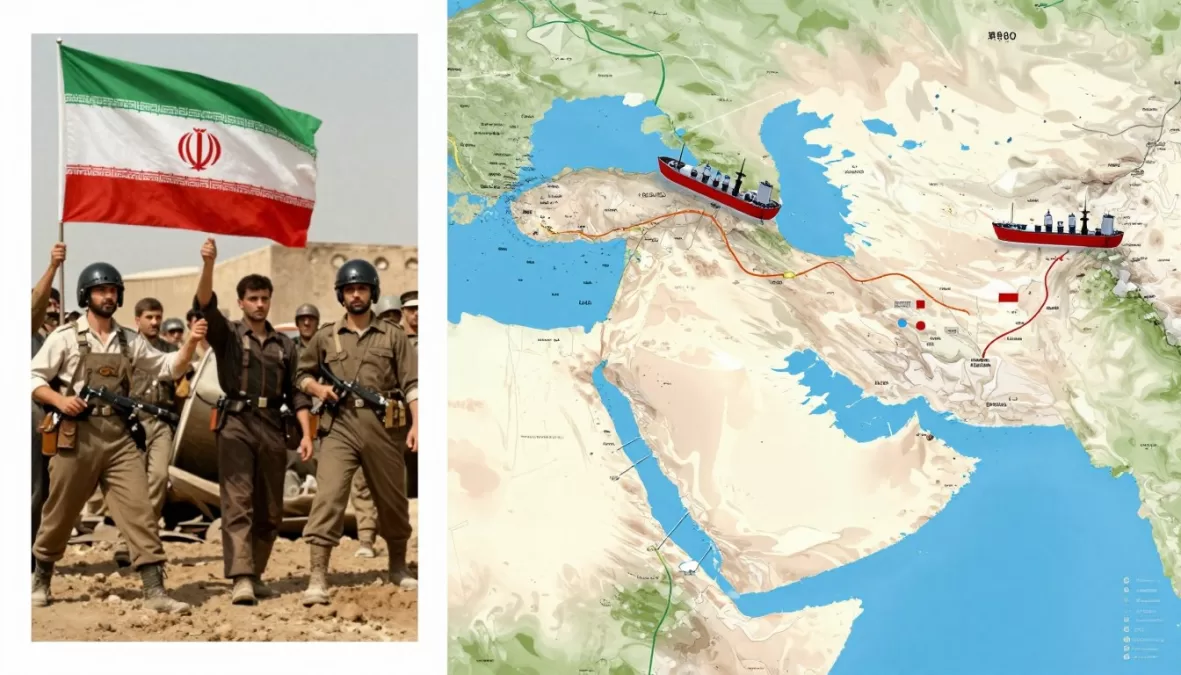
The lessons learned during the Iran-Iraq war remain strikingly relevant as India faces renewed Middle East crisis situations today. Current tensions between Iran and various regional powers, conflicts affecting shipping through the Strait of Hormuz, and broader West Asia instability echo challenges from four decades ago.
Contemporary Parallels and Differences
Today’s India is vastly different from the 1980s economy, yet certain vulnerabilities persist. The country still imports approximately 85% of its crude oil needs, with significant volumes coming from the Middle East. The Strait of Hormuz remains a critical chokepoint through which much of India’s energy supply passes.
However, India’s economy has become more resilient. Foreign exchange reserves now exceed $600 billion, compared to the precarious $5-6 billion of the 1980s. This financial cushion provides far greater ability to manage energy price shocks and supply disruptions.
1980s Vulnerabilities
- Low foreign exchange reserves limited response options
- Heavy concentration of workers in single region
- Limited alternative energy sources or supply routes
- Underdeveloped domestic energy production
- Weak financial infrastructure for crisis management
- Limited diplomatic leverage in the region
Current Strengths and Remaining Risks
- Substantial forex reserves provide buffer against shocks
- More diversified diaspora across multiple regions
- Strategic petroleum reserves for supply security
- Expanding renewable energy reduces fossil fuel dependence
- Stronger diplomatic relationships across West Asia
- Advanced financial systems for rapid response
Modern Gulf Employment Landscape
Today, over 8.5 million Indians live and work across the Gulf states—more than four times the 1980 number. However, the employment profile has shifted significantly. While construction and labor positions remain important, Indian professionals now dominate in healthcare, information technology, finance, and senior management roles.
This skill diversification provides greater resilience. Professional roles are less vulnerable to sudden project cancellations than construction labor. Additionally, the geographic spread has improved, with the United Arab Emirates hosting the largest Indian population, followed by Saudi Arabia, providing better risk distribution than the 1980s concentration.
Energy Security Evolution
India’s energy security strategy has matured considerably since the 1980s. The country has:
- Built strategic petroleum reserves capable of covering 9.5 days of crude oil imports
- Diversified import sources to include Russia, the Americas, and Africa
- Invested heavily in renewable energy, with solar and wind capacity expanding rapidly
- Developed domestic natural gas production and LNG import infrastructure
- Established direct crude oil purchase agreements bypassing traditional markets
- Created contingency plans for Strait of Hormuz closure scenarios
Current Risk Assessment
While India is better positioned than in the 1980s, significant risks remain. Any major conflict disrupting Persian Gulf shipping could still cause oil price spikes affecting inflation, industrial costs, and employment. The Gulf remains home to millions of Indian workers whose safety and employment security depend on regional stability.
Policy Preparedness for Future Crises
Modern India maintains sophisticated crisis management systems learned partly from the 1980s experience. The Ministry of External Affairs has robust evacuation protocols, demonstrated during recent operations to repatriate Indian citizens from conflict zones. The power of these systems to protect Indian interests has improved dramatically.
However, complacency remains a risk. The sheer scale of India’s Gulf presence means any major regional conflict would have profound implications for employment, remittances, and economic security. Continuous vigilance and policy adaptation remain essential.
Conclusion: Historical Lessons for Future Resilience
The jobs impact India Iran war created during the 1980-1988 conflict offers valuable historical lessons for understanding how regional conflicts affect domestic employment markets. While India faced significant challenges—from energy price shocks to diaspora employment disruptions—the country demonstrated resilience and adaptability.
Several key insights emerge from this analysis. First, economic diversification reduces vulnerability to regional shocks. India’s size and diverse economy provided buffers that smaller, more specialized economies lacked. Second, diaspora diversification across multiple regions and skill categories creates resilience against geographic concentration risks.

Third, energy security remains foundational to economic stability and employment security. The crisis accelerated India’s focus on domestic production, strategic reserves, and supply diversification—policies that continue to serve the nation today. Fourth, institutional capacity matters enormously. The financial systems, diplomatic capabilities, and policy frameworks developed during crisis periods build resilience for future challenges.
The conflict’s long-term employment implications extended far beyond the immediate war years. Policy shifts toward energy independence created new job categories in exploration, renewable energy, and energy efficiency. The diaspora’s evolution toward higher-skill occupations and geographic diversification reduced vulnerability. Industrial policy adjustments favored less energy-intensive sectors, including the emerging information technology industry.
As India faces renewed tensions in the Middle East crisis today, the historical experience provides guidance. The country’s vastly improved economic position, with substantial foreign reserves and diversified energy sources, offers greater resilience than in the 1980s. However, fundamental dependencies remain, requiring continued vigilance and strategic planning.
The Iran-Iraq war’s impact on Indian employment ultimately demonstrated that global events have local consequences, but also that resilience, adaptation, and strategic policy responses can mitigate negative effects and even create opportunities within challenges. These lessons remain relevant as India navigates an increasingly complex and interconnected world where regional conflicts continue to ripple across borders, affecting millions of lives and livelihoods.
Stay Ahead of Geopolitical Economic Shifts
The Middle East continues to shape India’s economic future. Get expert analysis delivered to your inbox covering how regional developments affect employment, sectors, and economic security. Join 50,000+ professionals, policymakers, and business leaders who trust our insights.
Free resources • Expert insights • Unsubscribe anytime